











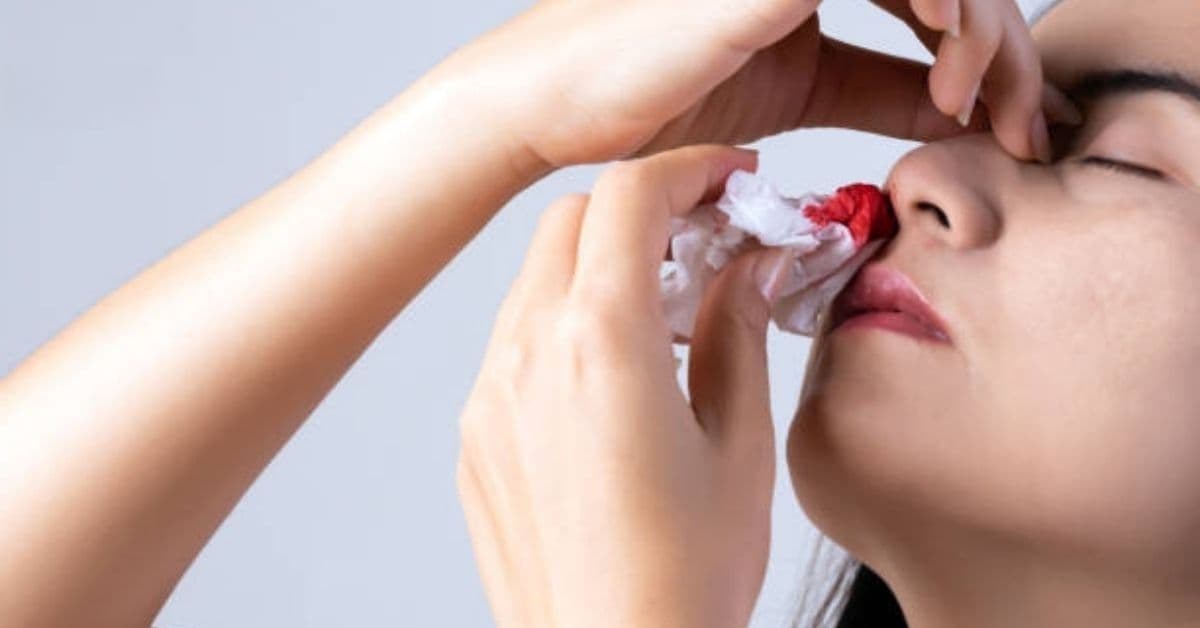
Most people experience a nosebleed at least once in their lifetime. It often happens suddenly, without warning, and just as suddenly it may stop on its own. Because of this, nosebleeds are usually not taken seriously. Many people do not see a doctor, believing it is a harmless and temporary inconvenience that can be handled at home.
I used to think the same way—until I witnessed how a seemingly ordinary nosebleed can turn into something frightening if ignored or handled incorrectly. That experience changed how I look at this common problem and pushed me to learn what actually happens in the body during a nosebleed and how to respond calmly and effectively.
Why Nosebleeds Are So Common
The inside of the nose is lined with a delicate mucous membrane that contains a dense network of tiny blood vessels. These vessels lie very close to the surface and are extremely sensitive. Even a small irritation—dry air, minor trauma, sudden temperature changes, or increased pressure—can cause them to rupture.
This is why nosebleeds are especially common in children between the ages of three and ten, as well as in teenagers. In adolescents, hormonal changes and rapid growth can make blood vessels more fragile. In adults, stress, fatigue, dehydration, high blood pressure, and chronic nasal dryness often play a role.
In many cases, the bleeding begins spontaneously and without pain. This is precisely why people underestimate it. However, when nosebleeds happen frequently—more than once a week—or last longer than usual, they should no longer be considered harmless.
Understanding Epistaxis in Simple Terms
In medical language, a nosebleed is called epistaxis. This term refers to bleeding from blood vessels located near the surface of the nasal cavity. Most episodes of epistaxis are mild and resolve without complications, but in certain situations they can be an early sign of a deeper problem.
Epistaxis may occur due to local causes such as irritation or injury, but it can also reflect systemic issues like blood pressure imbalance, clotting disorders, or chronic inflammation. That is why repeated or prolonged bleeding deserves attention, even if it does not cause pain.
Understanding this helps remove fear while encouraging responsibility. A nosebleed is not something to panic over, but it is also not something to ignore.
When a Nosebleed Deserves Special Attention
In children and teenagers, occasional nosebleeds are often related to fragile vessels and dry indoor air. In adults, however, frequent bleeding can indicate that the body is under stress or that circulation is not functioning optimally.
If bleeding continues for an extended period, if it happens repeatedly within a short time frame, or if it is accompanied by dizziness or weakness, it may be signaling that the body needs support. In such cases, knowing how to react properly in the moment can make a significant difference.
The first and most important rule is to remain calm. Panic increases blood pressure, which can intensify bleeding.
The Right Body Position During a Nosebleed
One of the most common mistakes people make is lying down or tilting the head backward. This may seem logical, but it can actually worsen the situation by allowing blood to flow into the throat.
The correct approach is to remain seated or standing upright. Keeping the head slightly forward helps prevent blood from entering the airway and allows you to monitor the bleeding. Breathing slowly and evenly helps stabilize circulation and reduces unnecessary strain on the blood vessels.
Applying cold to the forehead and the bridge of the nose can help constrict blood vessels and slow the bleeding. This simple physical response often works surprisingly quickly.
Traditional Remedies Passed Down Through Generations
Long before modern medicine, people relied on practical, experience-based methods to stop nosebleeds. Some of these techniques may sound unusual, but they have been used for generations because they often worked.
One traditional method involves using a mildly acidic solution prepared with cold water and a natural acidic agent such as lemon juice or vinegar. When used carefully, this approach was believed to encourage the blood vessels to contract. The key was moderation and patience, allowing the body time to respond rather than forcing the bleeding to stop abruptly.
Another widely shared folk belief involved applying pressure while changing body posture in a specific way, depending on which nostril was bleeding. While modern explanations may differ, the underlying principle was always the same: redirect blood flow and reduce pressure at the source.
Even symbolic methods, such as placing a cool metal object between the shoulder blades, were used to draw attention away from panic and encourage relaxation—something that indirectly helps bleeding subside.
Why Calmness Matters More ThanYou Think
One detail often overlooked is the role of emotional state during a nosebleed. Anxiety causes blood vessels to dilate and the heart to work harder. This can prolong bleeding even when physical measures are taken.
People who remain calm, breathe deeply, and avoid sudden movements often notice that bleeding stops more quickly. This is not coincidence. The nervous system plays a powerful role in regulating blood flow.
That is why many traditional approaches focused not only on physical actions but also on creating a sense of control and reassurance.
When Home Care Is Enough—and When It Is Not
Most nosebleeds stop within minutes when handled correctly. However, if bleeding continues despite proper positioning and pressure, or if it recurs frequently without a clear trigger, it should not be dismissed.
Children who experience repeated episodes may need environmental changes, such as improved air humidity. Adults may need to consider lifestyle factors like hydration, rest, and stress management.
The goal is not fear, but awareness. A nosebleed is often a small signal from the body asking for balance.
A Simple Problem That Deserves Respect
Nosebleeds are common, but they are not meaningless. They remind us how delicate the body can be and how easily balance can be disrupted. Knowing how to respond correctly can prevent unnecessary worry and help avoid complications.
This knowledge is not about replacing medical care, but about empowering yourself with calm, sensible actions when something unexpected happens. Sometimes, the difference between panic and confidence is simply understanding what is happening and why.
And that understanding, once learned, stays with you for life.
Vau.ge – Your Daily Guide for Practical Advice!
Vau.ge is a place where caring for your health, beauty, and daily routines becomes a natural, accessible, and enjoyable experience. Our main goal is to provide you with reliable information about natural remedies, homemade recipes, and practical tips that help you live a healthier life, look better, and simplify your everyday tasks without unnecessary expenses.
Our tips are easy to incorporate into your everyday life — whether it’s skincare, haircare, health-boosting remedies, or small tricks to save time. This knowledge will not only improve your own life but also allow you to share the experience with others, giving more people the chance to live a balanced life naturally and economically.
Please note: The articles on our website are for informational purposes only and do not replace professional medical advice. If you have serious health concerns, please consult a qualified specialist.