












Kidneys are among the most vital organs in the human body, yet more than 90% of people with kidney disease do not realize they have a problem in the early stages. This makes kidney-related issues especially dangerous, as symptoms often appear late, when the disease has already progressed.
The good news is that early detection can make a huge difference. If you recognize the warning signs early enough and consult a healthcare professional, you can prevent serious complications and maintain healthy kidney function.
Below are the 10 key warning signs that your kidneys may not be working properly.
1. Constant Fatigue, Lack of Energy, or Trouble Concentrating
When your kidneys fail to filter waste products effectively, toxins remain in your blood. This toxic buildup makes you feel tired, weak, and unable to focus. In advanced stages, kidney disease can also lead to anemia, which intensifies fatigue.
2. Difficulty Sleeping
Impaired kidney function allows toxins to remain in your bloodstream rather than being eliminated through urine. This can cause insomnia and frequent sleep disruptions.
People with kidney disease are also at higher risk of sleep apnea, a condition in which breathing stops temporarily during sleep.
3. Dry and Itchy Skin
Healthy kidneys balance minerals and nutrients in the blood. When kidney function declines, mineral imbalances can lead to dry, itchy skin. This is a sign that your kidneys are struggling to maintain the right chemical balance in the body.
4. Frequent Urination
Needing to urinate more often, especially at night, may be a sign of kidney damage. When the kidney filters (nephrons) are compromised, they can cause changes in urination frequency.
Frequent urination can also be related to a urinary tract infection (UTI) or an enlarged prostate in men, so professional evaluation is essential.
5. Blood in the Urine
Healthy kidneys prevent blood cells from leaking into urine. But when filters are damaged, red blood cells can pass through, leading to hematuria (blood in urine).
Blood in the urine may also indicate kidney stones, tumors, or infections, so this symptom should never be ignored.
6. Foamy or Bubbly Urine
Persistent bubbles or foam in urine are often signs of excess protein, particularly albumin. Normally, kidneys prevent protein loss, but when they are damaged, protein leaks into urine instead of staying in the blood.
7. Persistent Puffiness Around the Eyes
Swelling around the eyes can be an early sign that kidneys are leaking protein into the urine. This swelling happens because your body cannot retain the right amount of protein in your bloodstream.
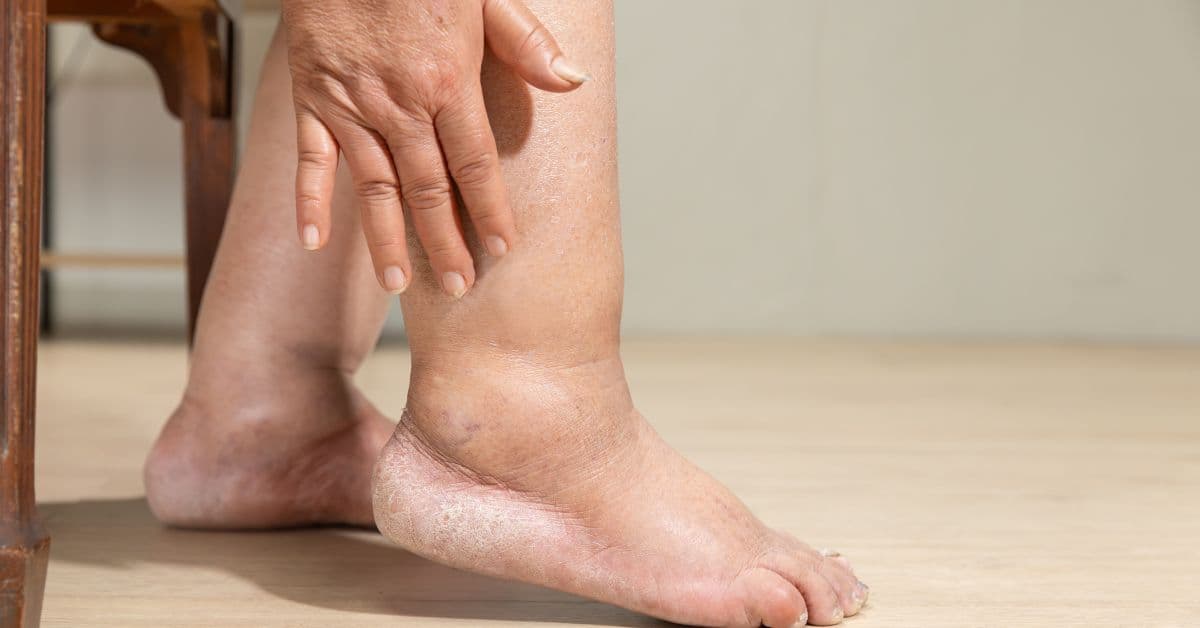
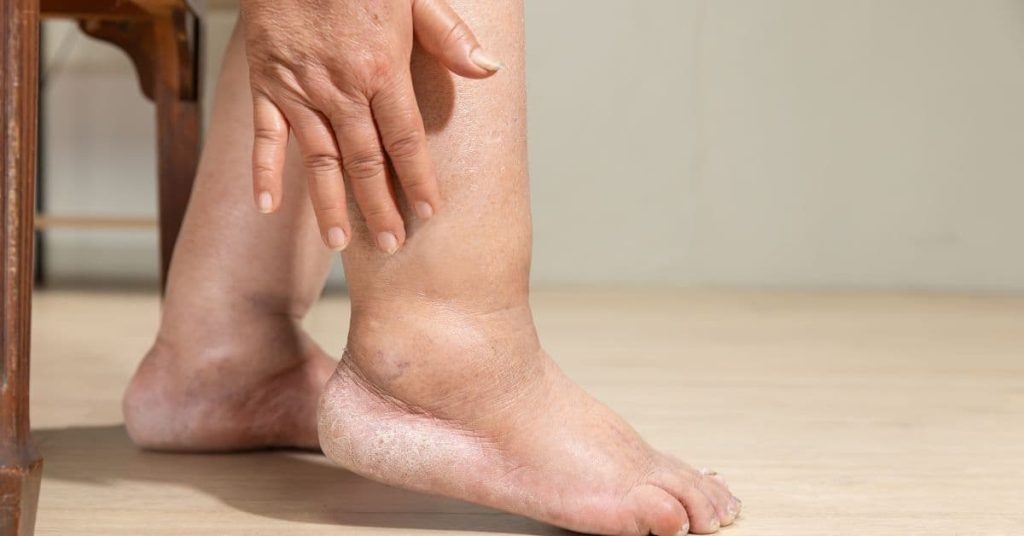
8. Swollen Ankles and Feet
Kidney dysfunction leads to sodium retention, which causes swelling in the feet, ankles, or legs.
However, keep in mind that swelling (edema) can also be linked to heart disease, liver disease, or circulatory problems, so proper diagnosis is crucial.
9. Loss of Appetite
While a lack of appetite can result from many conditions, in kidney disease it is often linked to toxin buildup in the blood. When the kidneys cannot filter properly, these toxins affect your overall sense of hunger and digestion.
10. Muscle Cramps
Electrolyte imbalances, such as low levels of calcium, potassium, or sodium, are common when kidneys do not function properly. These imbalances can trigger painful muscle cramps and spasms.
Why Early Detection Is So Important
Kidney disease is often called a “silent killer” because symptoms can remain hidden until the disease is advanced. Regular checkups, blood pressure monitoring, urine tests, and blood tests for creatinine and eGFR (estimated glomerular filtration rate) can help detect problems early.
Remember: prevention is always easier than treatment. Simple lifestyle adjustments such as maintaining a healthy weight, staying hydrated, limiting processed foods, avoiding smoking, and exercising regularly can all reduce your risk of kidney disease.
Practical Steps to Support Kidney Health
- Stay hydrated: Drink adequate amounts of clean water.
- Eat a kidney-friendly diet: Reduce salt, processed foods, and red meat. Increase intake of fresh fruits, vegetables, and whole grains.
- Monitor blood pressure and blood sugar: High blood pressure and diabetes are leading causes of kidney damage.
- Exercise regularly: Even moderate activity helps improve circulation and overall health.
- Avoid unnecessary medications: Overuse of painkillers, antibiotics, or certain supplements can harm kidney function.
- Quit smoking and reduce alcohol: Both significantly increase the risk of kidney disease.
FAQ – Frequently Asked Questions About Kidney Health
1. Can kidney problems go unnoticed for years?
Yes. In many cases, kidney disease progresses silently without obvious symptoms until it becomes severe.
2. Is frequent urination always a sign of kidney disease?
Not always. It could also mean a urinary tract infection, prostate enlargement, or simply high fluid intake. Only medical testing can determine the cause.
3. Can diet really help protect the kidneys?
Absolutely. A balanced diet low in sodium and processed foods reduces strain on the kidneys and supports overall health.
4. Are swollen feet always linked to kidney problems?
No. Swelling can also indicate heart or liver conditions. However, when combined with other kidney-related symptoms, it is a red flag.
5. How often should kidney function be tested?
For healthy adults, at least once a year during routine checkups. If you have diabetes, hypertension, or a family history of kidney disease, testing should be more frequent.
6. Can kidney damage be reversed?
Early-stage kidney damage can sometimes be managed and progression slowed with lifestyle changes and medical treatment. Advanced damage, however, is usually irreversible.
7. What is the most common cause of kidney failure?
The two leading causes are diabetes and high blood pressure, both of which damage kidney blood vessels over time.
8. Does drinking more water cure kidney disease?
No. While proper hydration supports kidney function, it cannot reverse existing damage. It is important to follow a doctor’s advice.
Vau.ge – Your Daily Guide for Practical Advice!
Vau.ge is a place where caring for your health, beauty, and daily routines becomes a natural, accessible, and enjoyable experience. Our main goal is to provide you with reliable information about natural remedies, homemade recipes, and practical tips that help you live a healthier life, look better, and simplify your everyday tasks without unnecessary expenses.
Our tips are easy to incorporate into your everyday life — whether it’s skincare, haircare, health-boosting remedies, or small tricks to save time. This knowledge will not only improve your own life but also allow you to share the experience with others, giving more people the chance to live a balanced life naturally and economically.
Please note: The articles on our website are for informational purposes only and do not replace professional medical advice. If you have serious health concerns, please consult a qualified specialist.