







Bronchial asthma is a serious, chronic disease of the lungs, marked by recurring attacks of pronounced shortness of breath, distant wheezing, coughing, and sometimes emphysema (abnormal enlargement of the air spaces in the lungs). Asthma is one of the most common chronic respiratory diseases worldwide, affecting millions of people regardless of age, gender, or lifestyle. While there are several medical treatments for asthma, many people are interested in natural remedies that can help ease their symptoms and improve their quality of life.
The Main Stages of Bronchial Asthma
Medical experts typically distinguish three main clinical stages of bronchial asthma:
- Asthmatic Syndrome:
This stage is most commonly seen in patients with chronic asthmatic bronchitis. It is characterized by a sensation of shortness of breath (air hunger), increased breathing rate, and a prolongation of exhalation. Breathlessness during this stage usually does not last long and can be quickly alleviated by using bronchodilators (medications that widen the airways). The cough is dry, persistent, and often unproductive, though sometimes a small amount of sputum may be present. - Asthma Attack:
Asthma attacks can range in severity from mild to moderate to severe. They often develop suddenly, especially at night. There may be warning signs before the attack, such as a scratchy or dry sensation in the throat, cough, runny nose, or itchy skin. The duration of an asthma attack can range from a few minutes (in mild cases) to several days (in severe cases). The first clinical sign is a dry, distressing cough. Patients typically adopt a forced posture—sitting or standing while leaning on a table or the edge of a bed, in what is called the “orthopneic position.” Shortness of breath is usually expiratory, meaning that exhaling is more difficult than inhaling. Exhalation becomes twice as long as inhalation, whereas normally it is shorter. - Status Asthmaticus:
This is a life-threatening, severe condition where asthma attacks occur in succession or persist for a long period and do not respond to conventional treatment. Immediate medical intervention is required.
The Impact of Bronchial Asthma on Quality of Life
Living with asthma can be challenging. Asthma symptoms not only affect a person’s physical health but also emotional well-being. Constant worry about having an attack, limitations on physical activity, and the need for lifelong medication can impact quality of life. For many people, attacks are more frequent or severe in certain seasons, such as winter, due to factors like cold air, increased respiratory infections, or indoor allergens.
A Personal Story: My Mother’s Experience with Asthma and Herbal Remedies
My mother has struggled with bronchial asthma for many years. Sometimes her attacks are quite severe and last for a long time, especially in the winter months. Over the years, she has tried various treatments, including prescribed inhalers, steroid medications, and even oxygen therapy during acute attacks. However, as with many people living with a chronic illness, she began searching for natural ways to manage her condition and reduce her reliance on pharmaceuticals, especially during milder periods or as a preventive measure.
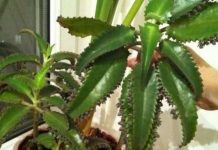
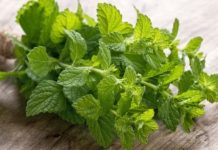
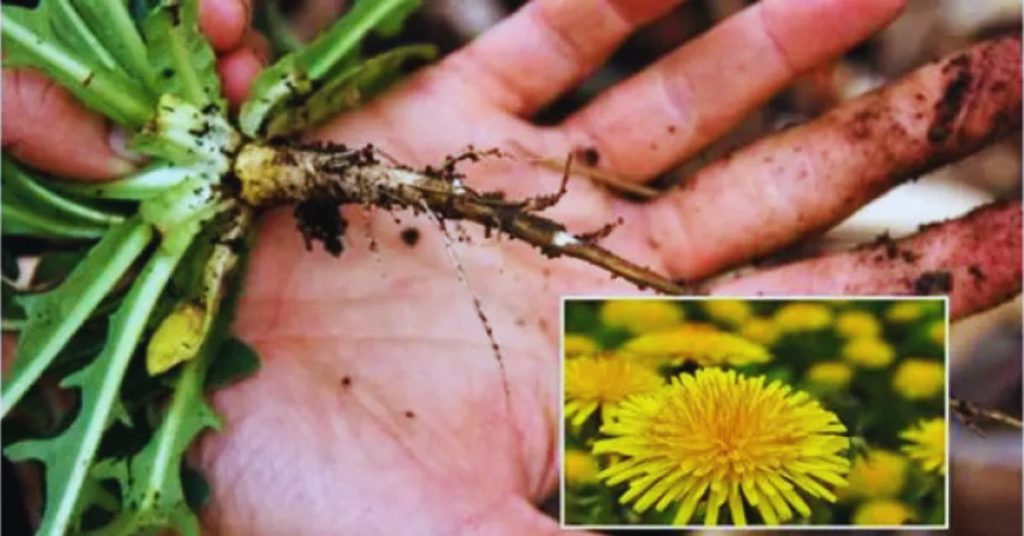
Surprisingly, she found significant relief from a simple herbal remedy that is well-known in traditional medicine in our region. In the summer months, she eagerly waits for a specific herb called “babuatsvera” to begin sprouting and flowering. As soon as the young stems of this plant appear, she harvests them, peels off the outer skin, and eats the inner part as a fresh green, several times a day. She continues this practice as long as the herb is in season and available.
How Effective Is This Remedy?
Through personal observation, I have been convinced of the effectiveness of this herbal approach. During the months when she regularly consumes fresh babuatsvera, my mother reports a marked improvement in her general condition. Her breathing is easier, she experiences far fewer asthma attacks, and her energy levels improve. She also finds that her need for strong medications, such as inhaled corticosteroids or bronchodilators, significantly decreases during this period. Although asthma cannot be completely cured by herbal remedies alone, using natural solutions as a supplement to prescribed medical treatments may enhance the body’s resistance and make symptoms easier to manage.
The Science Behind Herbal Remedies for Asthma
While there is still much research to be done, many plants used in traditional medicine for respiratory problems contain active compounds that may help open airways, reduce inflammation, and soothe irritated mucous membranes. For example, herbs like babuatsvera, thyme, licorice root, and mullein have been used for centuries in folk medicine. They are believed to have bronchodilator, expectorant, and anti-inflammatory effects, though their efficacy can vary from person to person.
Additional Natural Strategies for Asthma Management
In addition to herbal remedies, other natural approaches can also support people living with asthma:
- Breathing Exercises: Techniques such as Buteyko breathing, yoga pranayama, and diaphragmatic breathing can help improve lung function and reduce symptoms.
- Regular Physical Activity: Gentle exercises, especially outdoors in clean air, help strengthen respiratory muscles. Swimming is often recommended for people with asthma.
- Healthy Diet: Consuming a diet rich in fresh fruits and vegetables, omega-3 fatty acids, and anti-inflammatory foods can support overall respiratory health.
- Avoiding Triggers: Identifying and avoiding allergens or irritants (like pollen, dust, smoke, or pet dander) is crucial. Keeping indoor spaces clean and well-ventilated helps.
- Stress Management: Stress can worsen asthma symptoms. Practices such as meditation, mindfulness, and adequate sleep support overall health.
A Note of Caution
While natural remedies and lifestyle adjustments can be incredibly helpful for many people with asthma, it is essential to consult a healthcare professional before making any changes to your treatment plan. Asthma can be a life-threatening condition, and stopping prescribed medication without medical supervision is dangerous. Herbal remedies should be seen as supportive, not as a replacement for medical care.
Final Thoughts
Asthma is a chronic, sometimes lifelong disease that requires a comprehensive approach to management. The story of my mother’s success with babuatsvera is a testament to the power of combining traditional wisdom with modern medicine. Natural remedies, when used safely and appropriately, can play a valuable role in improving well-being and reducing the impact of chronic conditions. If you or someone you know suffers from asthma, consider exploring natural solutions as part of a holistic asthma management plan – but always under the guidance of your doctor. Taking care of your health means staying informed and open to different possibilities, combining the best of both worlds for the greatest benefit.
Vau.ge – Your Daily Guide for Practical Advice!
Vau.ge is a place where caring for your health, beauty, and daily routines becomes a natural, accessible, and enjoyable experience. Our main goal is to provide you with reliable information about natural remedies, homemade recipes, and practical tips that help you live a healthier life, look better, and simplify your everyday tasks without unnecessary expenses.
Our tips are easy to incorporate into your everyday life — whether it’s skincare, haircare, health-boosting remedies, or small tricks to save time. This knowledge will not only improve your own life but also allow you to share the experience with others, giving more people the chance to live a balanced life naturally and economically.
Please note: The articles on our website are for informational purposes only and do not replace professional medical advice. If you have serious health concerns, please consult a qualified specialist.