








According to medical statistics, most people who develop bacterial infections at some point in their lives will experience a urinary tract infection (UTI). UTIs can affect people of all ages, from newborns to the elderly, and are a very common reason for seeking medical advice. In fact, it’s rare to find anyone who hasn’t dealt with this problem at least once in their life.
Urinary tract infections are far more common in women than in men, due to anatomical differences, but men can also be affected—especially in later life, when the prostate or other glands are involved.
What Causes Urinary Tract Infections?
Urine is not typically a suitable environment for bacteria to thrive, due to its acidity and fluctuating concentration. However, a UTI occurs when bacteria manage to enter the urinary tract and begin to multiply, most often in the bladder or urethra. Only after this initial colonization does the infection take hold, which can then be confirmed by urine analysis. This analysis not only detects the infection but can also help identify the specific type of bacteria responsible.
UTIs most commonly affect the lower urinary tract—namely the urethra and bladder. In men, they may also involve the prostate or testicles. The upper urinary tract, which includes the ureters and kidneys, can also become infected, particularly if a lower UTI is left untreated.
Symptoms of UTIs
Symptoms vary depending on which part of the urinary tract is affected. The most common symptoms include:
- A burning sensation when urinating
- Pressure or discomfort in the bladder area
- Frequent urges to urinate, often with little output
- Inability to fully empty the bladder
- Changes in urine color (darker or cloudy urine)
- Unpleasant odor in the urine
Women often experience pelvic pain, while men may feel discomfort around the rectal area. When the infection reaches the kidneys, symptoms can become more severe and include pain or tenderness in the back (just below the ribs), fever, nausea, and vomiting. Kidney infections are particularly serious and can have long-term health consequences if not treated promptly.
In children, UTIs can present as fever, decreased appetite, irritability, vomiting, diarrhea, lethargy, changes in urination (such as bed-wetting), and changes in urine color.
Natural and Herbal Remedies for Urinary Tract Infections
While antibiotics are often necessary for treating bacterial UTIs, natural remedies can provide additional support and help speed recovery. Increasing your fluid intake is one of the best things you can do—herbal teas and decoctions are excellent options.
Among the many effective natural remedies, the most widely used ingredients include cranberry, corn silk, parsley leaves, and melon seeds. These herbs have proven diuretic, anti-inflammatory, and antibacterial properties, making them ideal for supporting urinary tract health.
Here are some simple herbal tea combinations with proven effectiveness, which you can easily prepare at home:
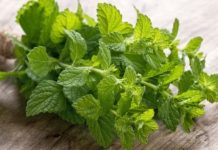
1. Fresh Parsley Tea
- Chop two tablespoons of fresh parsley.
- Place in 200 ml (about one cup) of hot water.
- Allow to steep for 20–30 minutes.
- Drink the freshly made tea three times a day, half an hour before meals.
Parsley is a natural diuretic and helps flush out bacteria from the urinary tract.
2. Chamomile and Birch Leaf Infusion
- Place one teaspoon of dried chamomile flowers in 250 ml (one cup) of hot water.
- Let it cool, then drink.
- Alternatively, you can prepare birch leaf tea by adding dried birch leaves to 200 ml of water, steeping, and then drinking.
Both chamomile and birch have anti-inflammatory and cleansing effects on the urinary system.
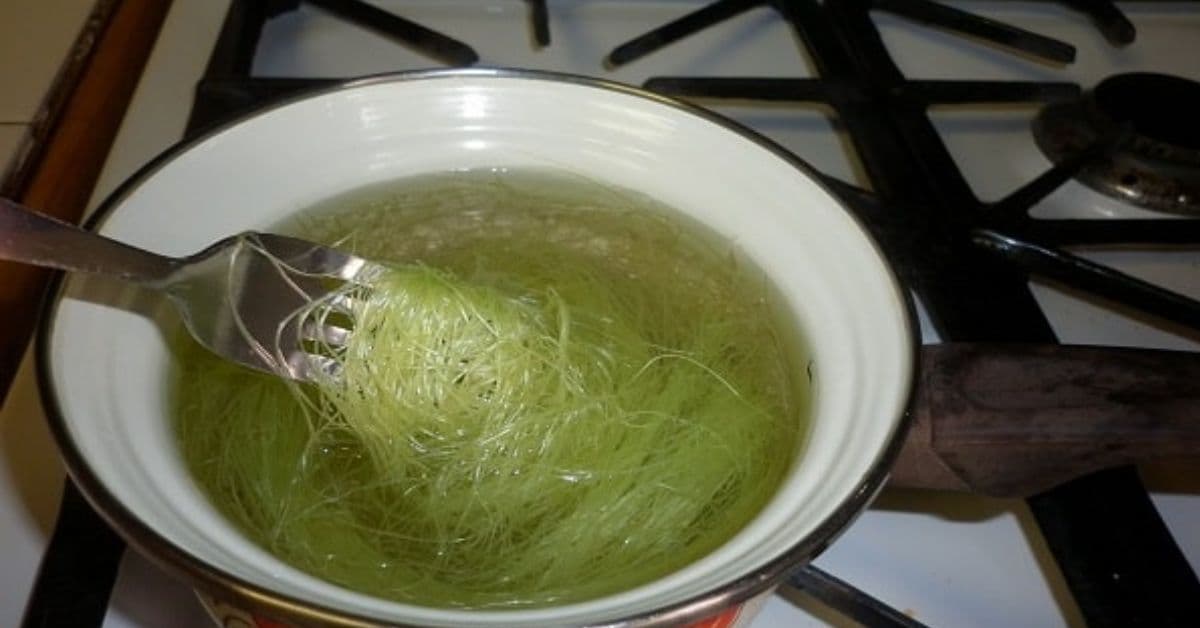
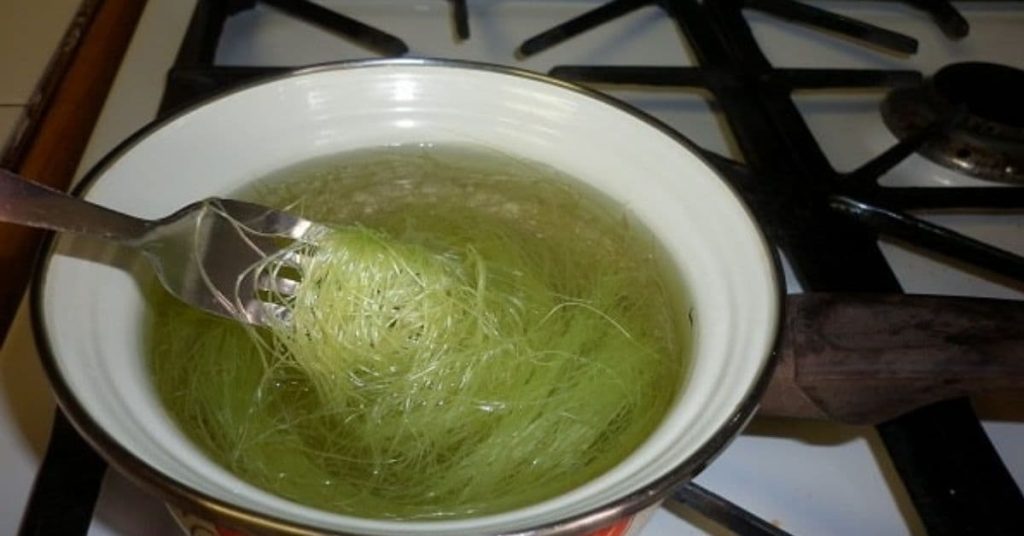
3. Corn Silk Tea
- Place one tablespoon of dried corn silk in 300 ml of hot water.
- Allow to steep for about 15 minutes, then strain.
- Drink this tea up to three times a day, for a maximum of five consecutive days. After five days, take a two-day break, and then you can repeat the process if needed.
Corn silk is well known for its powerful diuretic and anti-inflammatory effects, helping to reduce pain, eliminate bacteria, and support overall urinary tract health.
Other Helpful Tips:
- Drink plenty of water throughout the day to flush out bacteria.
- Avoid sugary drinks, caffeine, and alcohol, as these can irritate the urinary tract.
- Maintain good hygiene and always urinate after sexual activity to reduce the risk of infection.
How Can You Tell If You Have a UTI?
The classic symptoms are a burning or painful sensation during urination, increased frequency, and a strong urge to urinate. Cloudy or foul-smelling urine, pain in the lower abdomen or back, and fever are also common. If you experience these symptoms—especially if you have a fever or back pain—seek medical attention promptly.
Remember, kidney infections can be serious and require medical treatment. If you notice blood in your urine, have severe pain, or develop a high fever, consult your doctor immediately.
Share Your Remedies!
Do you know of any effective home remedies for urinary tract infections? If so, please share your recipes and experiences in the comments below. Your advice might help someone else find relief!
Conclusion
Urinary tract infections are common, uncomfortable, and can lead to serious complications if not treated. Alongside medical treatment, natural remedies such as herbal teas made from parsley, chamomile, birch, and corn silk can offer significant relief and support your body’s healing process. Stay hydrated, listen to your body, and don’t hesitate to seek professional help if symptoms persist or worsen. Your health is worth the effort!
Vau.ge – Your Daily Guide for Practical Advice!
Vau.ge is a place where caring for your health, beauty, and daily routines becomes a natural, accessible, and enjoyable experience. Our main goal is to provide you with reliable information about natural remedies, homemade recipes, and practical tips that help you live a healthier life, look better, and simplify your everyday tasks without unnecessary expenses.
Our tips are easy to incorporate into your everyday life — whether it’s skincare, haircare, health-boosting remedies, or small tricks to save time. This knowledge will not only improve your own life but also allow you to share the experience with others, giving more people the chance to live a balanced life naturally and economically.
Please note: The articles on our website are for informational purposes only and do not replace professional medical advice. If you have serious health concerns, please consult a qualified specialist.