












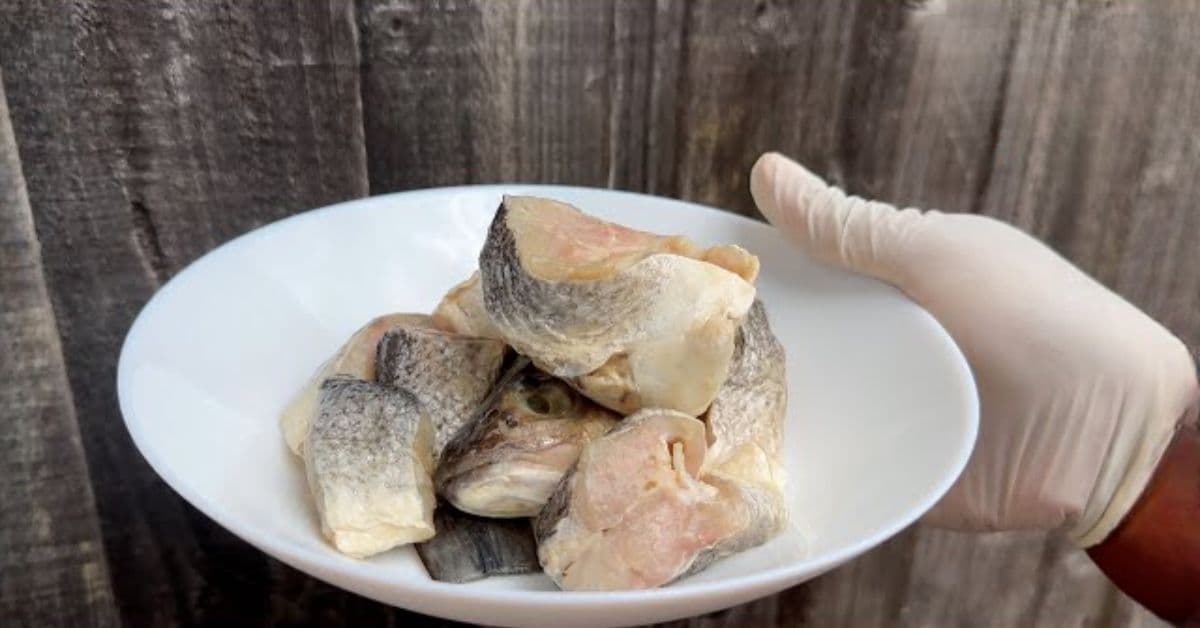
Toxic fish has become one of the most overlooked dangers in the modern diet, silently entering kitchens, restaurants, and grocery stores across the world. Fish is widely promoted as one of the healthiest foods available, rich in omega-3 fatty acids, protein, and essential minerals. Yet behind this healthy image lies a growing concern that scientists, environmental researchers, and food safety experts are still struggling to fully control.
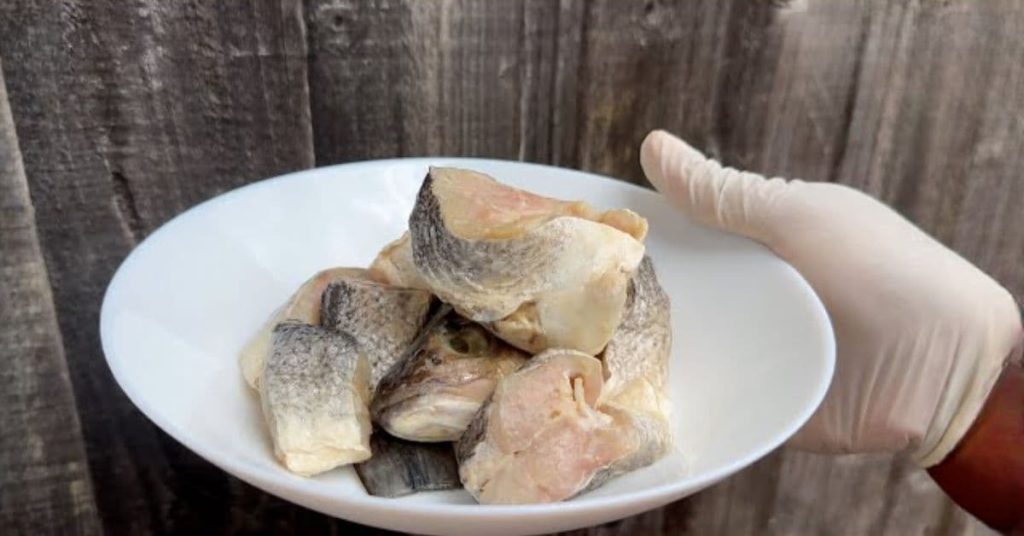
For millions of people, fish is not just a meal—it is a daily habit. But what happens when that habit exposes the body to harmful toxins without warning?
When Healthy Food Turns Dangerous
Fish contamination is not a new phenomenon, but in recent decades it has intensified due to industrial pollution, chemical waste, and environmental accidents. Oceans and seas have increasingly become dumping grounds for toxic substances, many of which accumulate inside marine life.
In June 2015, a toxic leakage in the Pacific Ocean raised serious alarms among environmental scientists. Large areas of water became contaminated, affecting fish populations across a wide region. The toxins released were not easily broken down by nature and entered the marine food chain almost immediately.
Once inside fish, these substances did not simply disappear. Instead, they accumulated in tissues, bones, and organs—eventually making their way onto dinner plates thousands of kilometers away.
How Toxins Accumulate Inside Fish
Fish absorb contaminants directly from polluted water and indirectly through their food. Small organisms ingest toxins first, then are eaten by larger fish, allowing the concentration of harmful substances to grow at each level of the food chain.
By the time fish reach markets and supermarkets, contamination may not be visible, smellable, or detectable without laboratory testing. Cooking does not reliably destroy many of these toxins, which means consumers often have no way of knowing what they are actually eating.
This is what makes toxic fish particularly dangerous—it looks exactly like safe food.
Potential Health Effects on the Human Body
Some environmental toxins linked to contaminated fish are known to interfere with the human nervous system, immune response, and bone structure. Certain studies suggest that long-term exposure to specific toxic compounds may increase the risk of serious illnesses, including bone damage and blood disorders.
There is ongoing scientific debate about whether these toxins can directly contribute to diseases such as leukemia or bone cancer. While not all researchers agree on the scale of the risk, many acknowledge that chronic exposure to contaminated food places unnecessary stress on the body and weakens natural defense systems over time.
Importantly, health damage from toxic fish is rarely immediate. Symptoms may develop slowly, making it difficult for people to link their condition to dietary choices made years earlier.
A Divided Scientific Community
Not all scientists interpret the risks in the same way. Some experts argue that occasional consumption of contaminated fish may not be as harmful as other common lifestyle risks. They often compare it to habits such as heavy smoking, excessive alcohol consumption, or long-term exposure to urban air pollution.
According to this perspective, the real danger lies not in a single meal, but in repeated exposure over long periods—especially for children, pregnant women, and individuals with weakened immune systems.
This scientific disagreement adds to public confusion and allows contaminated products to remain in circulation longer than they should.
Why Food Safety Systems Often Fail
Modern food supply chains are vast and complex. Fish caught in one ocean can be processed in another country and sold in a third within days. While regulations exist, enforcement varies widely between regions, and testing every shipment is not always realistic.
Economic pressure also plays a role. Discarding contaminated fish can result in massive financial losses, which sometimes leads to delayed recalls or insufficient transparency. As a result, consumers often become the final checkpoint—without having the tools to protect themselves effectively.
The Psychological Trap of “Healthy” Labels
One of the most dangerous aspects of toxic fish is its reputation. Because fish is associated with heart health and longevity, people may consume it more frequently and in larger quantities than other animal products.
This creates a false sense of security. When a food is widely labeled as “healthy,” consumers are less likely to question its origin, quality, or safety. Over time, this trust can lead to repeated exposure without awareness.
How to Reduce the Risk Without Eliminating Fish
Completely avoiding fish is neither practical nor necessary for most people. However, informed choices can significantly reduce potential risks.
Experts often recommend diversifying protein sources, avoiding excessive consumption of large predatory fish, and purchasing seafood from suppliers with transparent sourcing and testing standards. Moderation remains one of the most effective protective strategies.
Understanding that “natural” does not always mean “safe” is a critical step toward smarter nutrition decisions.
The Bigger Picture: Environmental Responsibility
Toxic fish is not just a food safety issue—it is a reflection of environmental neglect. Pollution that harms marine life ultimately returns to humans through the food chain. Until stricter environmental protections and stronger international monitoring systems are enforced, the problem is unlikely to disappear.
What ends up on our plates is often a direct result of how responsibly—or irresponsibly—we treat the planet.
Final Thoughts
Toxic fish represents a modern paradox: a food celebrated for its health benefits may, under certain conditions, become a hidden threat. While scientific opinions vary, one fact remains clear—blind trust in any food product carries risks.
Awareness, moderation, and informed choices are the most powerful tools consumers currently have. In a world where environmental contamination continues to grow, asking questions about what we eat is no longer optional—it is essential.
Vau.ge – Your Daily Guide for Practical Advice!
Vau.ge is a place where caring for your health, beauty, and daily routines becomes a natural, accessible, and enjoyable experience. Our main goal is to provide you with reliable information about natural remedies, homemade recipes, and practical tips that help you live a healthier life, look better, and simplify your everyday tasks without unnecessary expenses.
Our tips are easy to incorporate into your everyday life — whether it’s skincare, haircare, health-boosting remedies, or small tricks to save time. This knowledge will not only improve your own life but also allow you to share the experience with others, giving more people the chance to live a balanced life naturally and economically.
Please note: The articles on our website are for informational purposes only and do not replace professional medical advice. If you have serious health concerns, please consult a qualified specialist.