












Swollen feet are a problem that almost everyone experiences at some point in life. It might happen after standing for long hours, especially in hot weather, or after a tiring day on your feet. For some, it’s a rare inconvenience; for others, it’s an almost daily struggle that can make walking uncomfortable and wearing shoes painful. While occasional swelling is often harmless, frequent or persistent swelling can be a sign of a more serious health issue.
This article will walk you through one of the most effective natural remedies for swollen feet — a method that’s been passed down for generations and is still trusted today. It’s easy to prepare at home, requires just one simple ingredient, and works gently yet powerfully to remove excess fluid from your body.
Understanding Swollen Feet
Swelling, or edema, happens when there is an abnormal increase in the amount of fluid in the space between the body’s cells. When it affects the legs, feet, and ankles, it can cause visible puffiness, skin tightness, and discomfort. If you press your finger into the swollen area, you may notice a small dent that stays for a few seconds before slowly disappearing. This is a typical sign of edema.
Common causes of swollen feet include:
- Heat – Warm temperatures cause blood vessels to expand, leading to fluid accumulation in the lower limbs.
- Prolonged standing – Staying on your feet for hours puts pressure on veins and can slow blood return to the heart.
- Circulatory problems – Varicose veins, poor blood flow, or vein damage.
- Kidney issues – When the kidneys can’t properly remove excess fluid.
- Pregnancy – Hormonal changes and increased body fluids.
- Heart failure – Reduced pumping efficiency causes fluid buildup.
- Hormonal imbalances – Certain conditions affect how the body regulates fluids.
Swelling often appears around the ankles and feet, but in more severe cases, it can extend from the toes up to the knees or even higher.
When to Worry
If your feet only swell occasionally — for example, during very hot days or after standing for a long time — home remedies may be enough to relieve the discomfort. But if swelling occurs regularly, appears suddenly, or is accompanied by other symptoms like shortness of breath, chest pain, or fatigue, it’s essential to see a doctor.
Persistent swelling can be a warning sign of varicose veins, heart disease, kidney problems, or other underlying health issues. Identifying the cause is important for proper treatment.
A Powerful Folk Remedy: Parsley Infusion
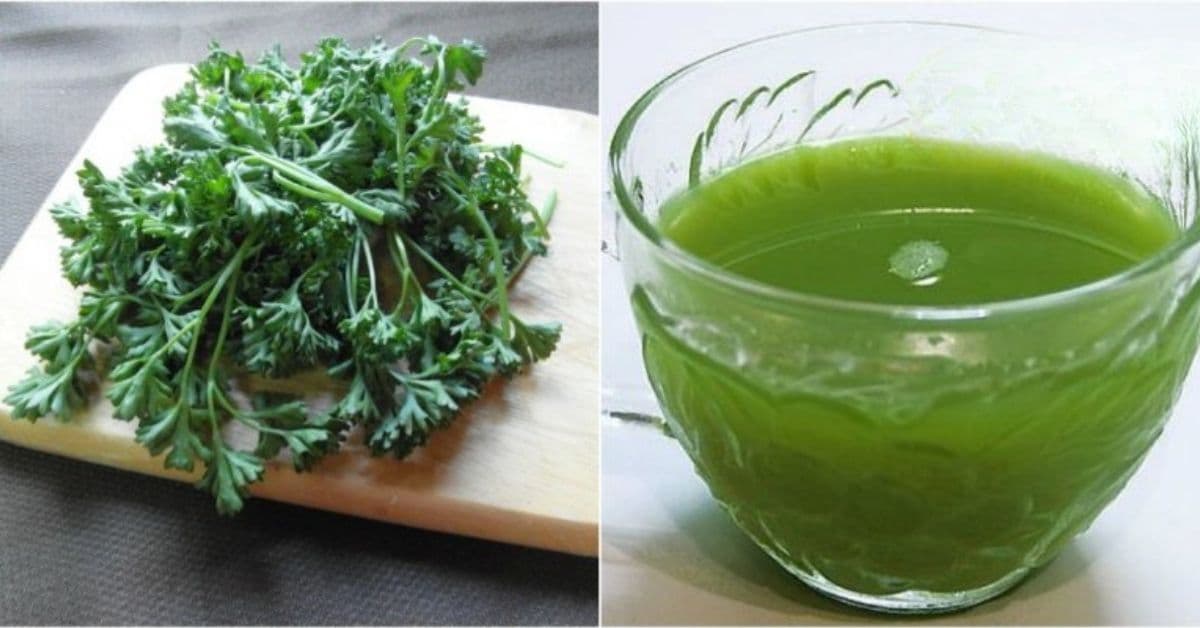
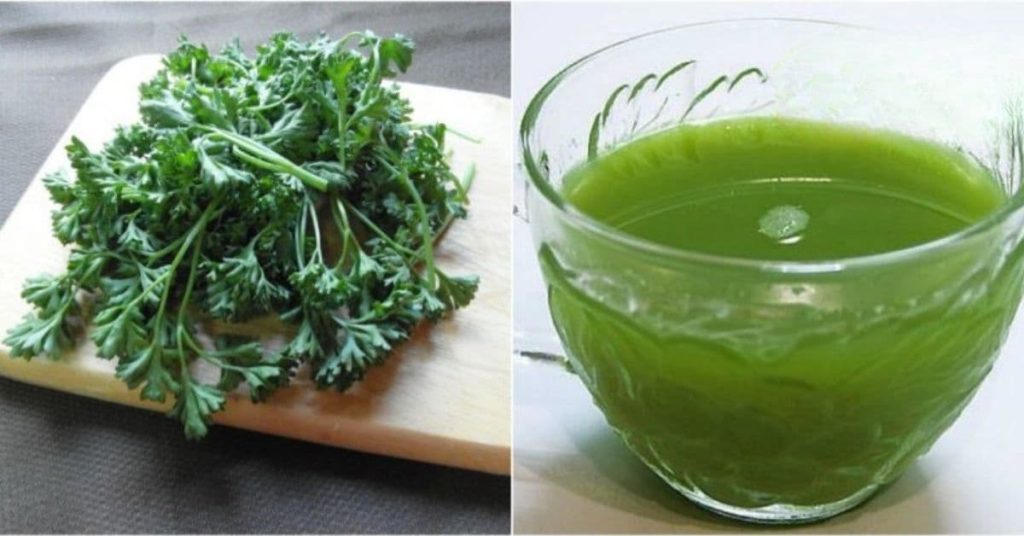
Among the many traditional remedies for swelling, parsley infusion stands out as one of the most effective and gentle solutions. Parsley is a natural diuretic, meaning it helps your body eliminate excess fluid. Unlike harsh medications, parsley works gradually and supports the kidneys in doing their job without causing sudden dehydration.
Why Parsley Works
Parsley is rich in antioxidants, vitamins (especially vitamin C and K), and minerals like potassium, calcium, and magnesium. Its diuretic properties come from compounds that help increase urine production, thereby flushing out excess salt and water from the body. This process reduces fluid retention and helps relieve swelling in the feet and ankles.
How to Prepare Parsley Infusion for Swelling
The best part about this remedy is that it’s simple and affordable. You can prepare it using both the fresh green leaves and the root of the plant, as both contain beneficial compounds.
Ingredients:
- Fresh parsley (leaves and root)
- 500 ml (about 2 cups) of boiling water
- A thermos or heatproof jar
- A meat grinder or blender
Preparation Steps:
- Wash the parsley thoroughly – Make sure both the leaves and roots are clean, as they’ll be used together.
- Grind or chop the parsley – Use a meat grinder, blender, or finely chop by hand until it becomes a pulp-like mass.
- Place in a thermos – Transfer the chopped parsley into a thermos or a heatproof container that can retain warmth.
- Add boiling water – Pour 500 ml of freshly boiled water over the parsley.
- Let it steep overnight – Close the thermos and allow the mixture to infuse for at least 8–10 hours.
- Strain in the morning – Filter the liquid and discard the solids.
How to Take It
This recipe yields enough for one day’s consumption. Drink the parsley infusion in three equal portions throughout the day — morning, afternoon, and evening.
The recommended routine:
- Take the infusion for two consecutive days.
- Then take a three-day break.
- Repeat the two-day cycle again.
Most people notice a visible reduction in swelling as early as the second day. Shoes feel more comfortable, walking becomes easier, and that heavy, tired feeling in the legs begins to fade.
Tips for Best Results
While parsley infusion is effective on its own, you can enhance its benefits with a few lifestyle adjustments:
- Reduce salt intake – Excess sodium causes your body to hold onto water.
- Stay active – Even gentle walking helps improve circulation and prevent fluid buildup.
- Elevate your legs – Rest with your feet raised above heart level for 15–20 minutes.
- Stay hydrated – Drinking enough water actually helps prevent water retention.
- Wear comfortable shoes – Avoid overly tight footwear that restricts circulation.
My Personal Experience
The first time I tried parsley infusion, I was skeptical. I’d been dealing with swollen ankles every summer for years. By midday, my shoes would feel tight, and walking would be uncomfortable. After the very first two-day course of parsley infusion, I was amazed — my feet felt lighter, the puffiness had almost disappeared, and I could comfortably wear my favorite shoes again.
What I love most is that this remedy is completely natural. I don’t have to rely on strong diuretic pills, and I know I’m also giving my body valuable vitamins and minerals in the process.
A Word of Caution
Although parsley is generally safe, there are a few things to keep in mind:
- Pregnant women should avoid high doses of parsley, as it may stimulate uterine contractions.
- If you have kidney problems or are on medication for blood pressure or diuretics, consult your doctor before starting.
- People with parsley allergies should obviously avoid this remedy.
Final Thoughts
Swollen feet can be uncomfortable, frustrating, and sometimes even painful. While occasional swelling is often just a response to heat or prolonged standing, persistent edema should never be ignored. Always check with a healthcare professional to rule out serious causes.
That said, for mild cases and general prevention, parsley infusion is one of the most powerful, natural, and time-tested remedies you can try. It’s easy to prepare, works gently with your body, and can bring noticeable relief in just a couple of days.
Share this remedy with friends and family — you never know who might be silently struggling with swollen feet. Sometimes, the simplest solutions are the ones that change lives.
Vau.ge – Your Daily Guide for Practical Advice!
Vau.ge is a place where caring for your health, beauty, and daily routines becomes a natural, accessible, and enjoyable experience. Our main goal is to provide you with reliable information about natural remedies, homemade recipes, and practical tips that help you live a healthier life, look better, and simplify your everyday tasks without unnecessary expenses.
Our tips are easy to incorporate into your everyday life — whether it’s skincare, haircare, health-boosting remedies, or small tricks to save time. This knowledge will not only improve your own life but also allow you to share the experience with others, giving more people the chance to live a balanced life naturally and economically.
Please note: The articles on our website are for informational purposes only and do not replace professional medical advice. If you have serious health concerns, please consult a qualified specialist.