















It’s not something we often talk about, but one of the easiest ways to understand your health is by simply paying attention to what your body naturally tells you — especially your urine.
It may sound surprising, but the color, smell, and even frequency of urination can reveal early signs of dehydration, dietary imbalances, and even more serious health problems.
When I first learned this from a doctor years ago, I was shocked.
He told me, “Your body speaks through simple signals — you just have to notice them.”
Since then, I’ve never ignored what seems like “just urine.” Because in many cases, it can literally be the warning sign that helps you act early and protect your health.
Let’s look at what each shade really means — and what your body might be trying to tell you.
Why Urine Color Matters
Urine is more than just waste. It’s a snapshot of what’s happening inside your body.
Normally, urine consists of 95% water and 5% waste products — such as urea, creatinine, potassium, and other chemical compounds produced during digestion and metabolism.
The yellowish tint comes from a pigment called urobilin, a byproduct formed when red blood cells break down.
Depending on how diluted or concentrated your urine is, that color can vary — from completely clear to dark amber.
But beyond hydration, urine color can also reveal nutritional deficiencies, medication effects, or even disease.
The Urine Color Spectrum — What Each Shade Means
1. Clear or Very Pale Urine
At first glance, clear urine seems ideal — but it’s actually a sign of overhydration.
When you drink too much water, your body flushes out essential salts and electrolytes, leading to chemical imbalances.
If your urine is consistently transparent and you’re urinating very frequently, try cutting back slightly on water intake.
Balance is key — hydration should nourish, not dilute.
2. Light Yellow — The Perfect Balance
This is the healthy, normal color of urine.
It means your body is properly hydrated and your kidneys are functioning well.
A soft, straw-yellow shade indicates that your fluid and electrolyte levels are in harmony — the ideal state to aim for daily.
3. Bright Yellow
This shade can appear when you’re mildly dehydrated — your body is conserving water, making your urine more concentrated.
However, bright yellow can also occur after taking vitamin supplements, particularly B-complex vitamins, which contain riboflavin (vitamin B2). It’s harmless, but a good reminder to drink a bit more water throughout the day.
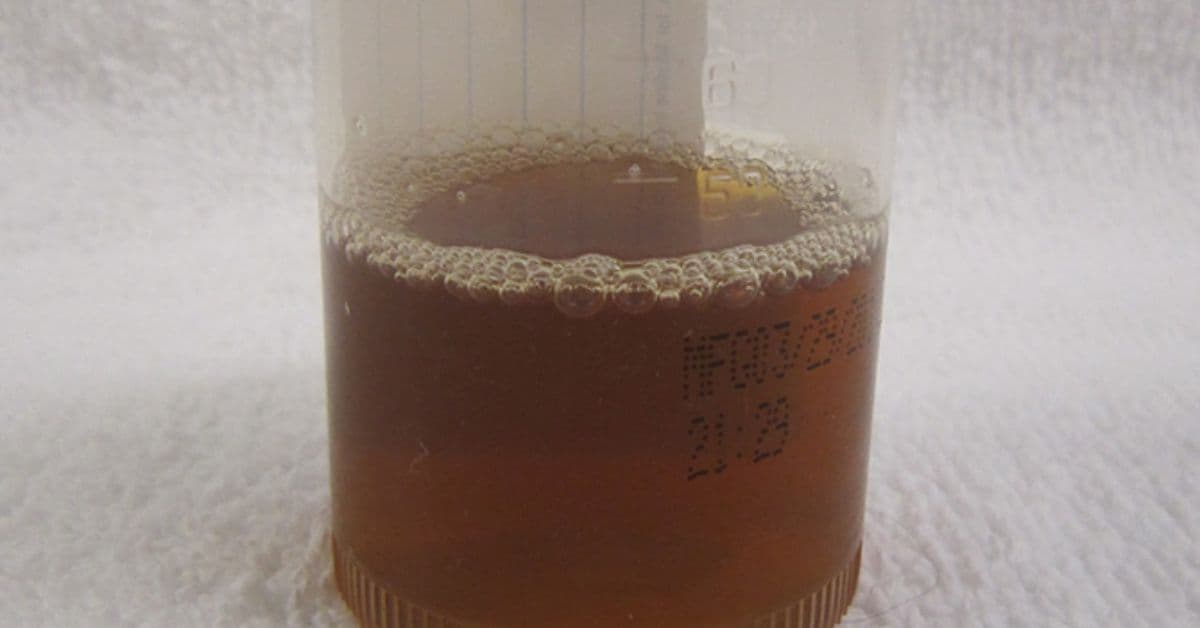
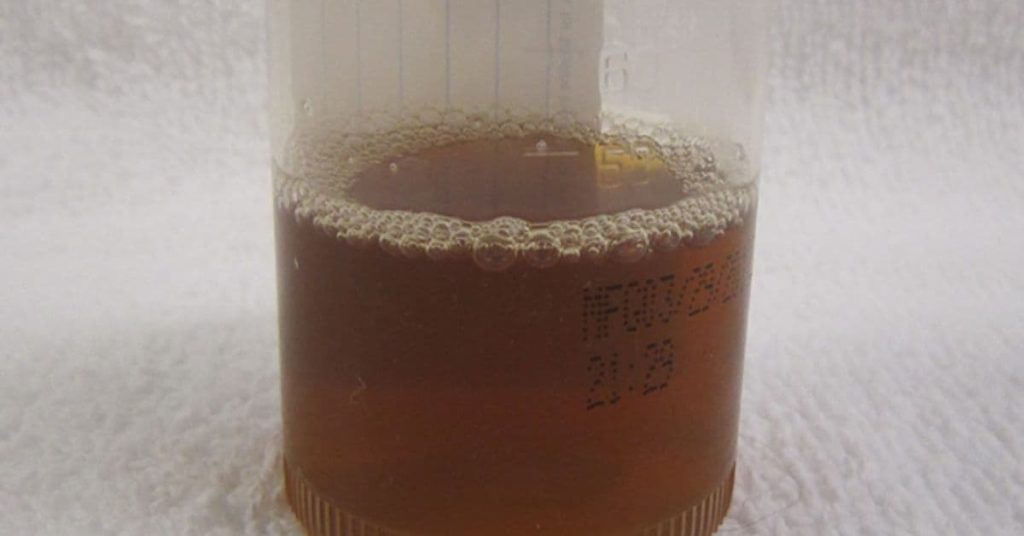
4. Dark Yellow or Amber
When your urine turns a deeper shade of yellow, it’s your body’s way of saying, “I need water!”
This is a clear indicator of dehydration — especially if the urine has a strong odor.
Dark yellow urine can also appear if you’re consuming more vitamin B than your body needs.
The solution is simple: drink more water, herbal tea, or natural juices, and try to reduce caffeine and alcohol, which dehydrate the body even more.
5. Orange or Carrot-Colored Urine
This one should raise a little caution. Orange urine may indicate excess bilirubin, a yellow-orange substance produced when the liver breaks down red blood cells.
If bilirubin builds up in the blood, it can be a sign of liver or bile duct problems.
Sometimes, this color also appears after eating certain foods or taking specific medications (like antibiotics or laxatives).
If your urine stays orange for several days, it’s best to consult a doctor to check your liver function.
6. Pink or Light Red Urine
If you’ve recently eaten a lot of beets, don’t panic — this phenomenon is called beeturia and is completely harmless.
However, if the pink or reddish tint appears without any dietary cause, it could mean there’s blood in the urine.
This can result from urinary tract infections, kidney stones, or, in rare cases, more serious conditions.
If you see this color and haven’t eaten red foods, see a urologist immediately.
7. Dark Red or Burgundy Urine
This shade is a red flag — literally.
Dark red urine often means there’s a significant amount of blood present, indicating possible bladder infections, kidney disease, or even tumors in rare situations.
It’s important not to ignore this.
Seek medical attention as soon as possible. Early diagnosis can make all the difference.
8. Brown or Cola-Colored Urine
Brown urine can appear after taking certain medications such as antibiotics (metronidazole) or antimalarial drugs (chloroquine).
It can also occur due to severe dehydration or in rare cases, liver issues.
If the color persists after stopping medication or rehydrating, it’s worth getting a check-up.
9. Blue or Green Urine
This one might sound strange — but yes, it happens!
Blue or green urine usually comes from artificial food dyes, colored drinks, or certain medications containing a compound called methylene blue.
Although it can look alarming, it’s generally harmless and goes away once the colorants are flushed out with plenty of water.
So if your urine turns teal — don’t panic, just hydrate!
Other Signs to Pay Attention To
Besides color, here are a few more things your urine might be telling you:
- Strong odor: Could indicate dehydration or infection.
- Foamy urine: May suggest excess protein in the diet or early kidney issues.
- Frequent urination: Often linked to high fluid intake, caffeine, or diabetes.
- Pain while urinating: Usually a sign of urinary tract infection (UTI).
Your body is smart — it constantly sends small signals to warn or reassure you. Learning to read them is one of the simplest forms of self-care.
When to See a Doctor
Not every color change means illness, but if you notice:
- Persistent dark, red, or orange urine
- Pain, burning, or unusual smell
- Sudden changes that don’t go away after a few days
— don’t ignore them.
Your urinary system is closely connected to your kidneys and liver — organs vital for detoxification and balance.
A quick check-up could save you from bigger health problems later.
Final Thoughts — Listen to What Your Body Tells You
We often chase the latest health trends or supplements, but sometimes the most valuable information comes from our own body.
Your urine isn’t just waste — it’s a daily health report.
By paying attention to its color, smell, and frequency, you can detect dehydration early, adjust your habits, and even catch warning signs of disease before they become serious.
So the next time you use the bathroom, take a quick glance — it might tell you more than any expensive test ever could.
Stay hydrated. Stay observant. And remember: your body always speaks — you just need to listen.
Vau.ge – Your Daily Guide for Practical Advice!
Vau.ge is a place where caring for your health, beauty, and daily routines becomes a natural, accessible, and enjoyable experience. Our main goal is to provide you with reliable information about natural remedies, homemade recipes, and practical tips that help you live a healthier life, look better, and simplify your everyday tasks without unnecessary expenses.
Our tips are easy to incorporate into your everyday life — whether it’s skincare, haircare, health-boosting remedies, or small tricks to save time. This knowledge will not only improve your own life but also allow you to share the experience with others, giving more people the chance to live a balanced life naturally and economically.
Please note: The articles on our website are for informational purposes only and do not replace professional medical advice. If you have serious health concerns, please consult a qualified specialist.