














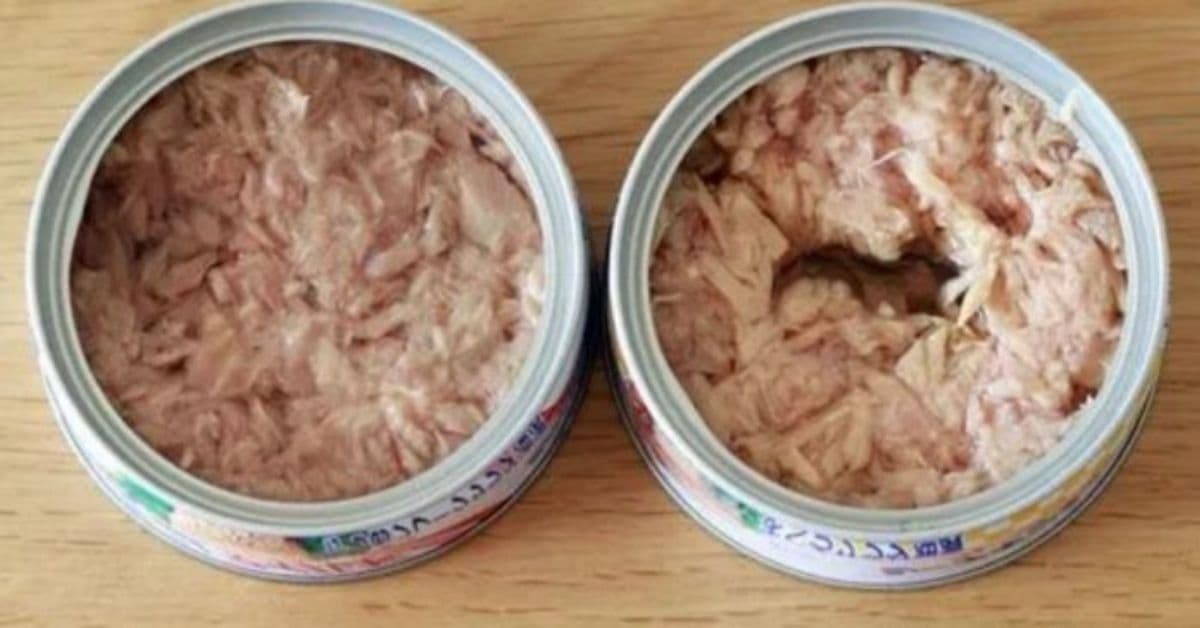
Fish has always been considered a staple of a healthy diet. Doctors and nutritionists around the world often recommend including seafood at least twice a week for its valuable proteins, omega-3 fatty acids, and minerals. And among the most popular choices, especially in canned form, is tuna. It is cheap, convenient, versatile, and promoted as a “healthy” option for anyone trying to eat better.
But what if I told you that tuna may also be one of the most harmful fish you can eat regularly? While it does contain beneficial nutrients, it hides a dangerous secret that many people are not aware of. And this secret could put your long-term health at serious risk.
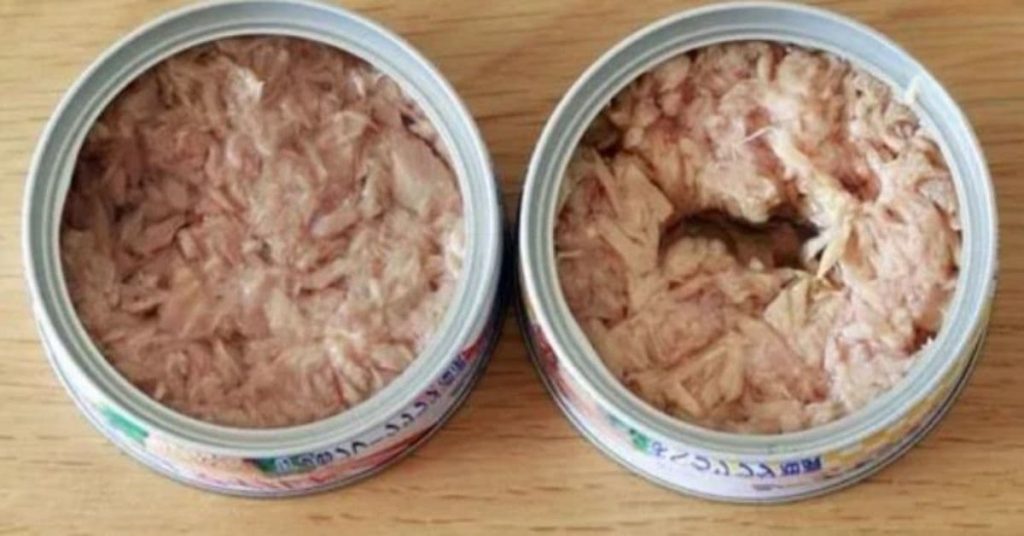
The Hidden Danger Inside Tuna
At first glance, tuna looks like a perfect superfood:
- Rich in protein – essential for muscles and tissue repair
- Packed with omega-3 fatty acids – known to support heart and brain health
- Contains selenium, vitamin D, and iron – all important for energy and immunity
However, tuna also contains a toxic element called mercury (Hg). Mercury is one of the most harmful heavy metals for the human body. Even in small amounts, it can accumulate in tissues over time and cause irreversible damage to the central nervous system.
Unfortunately, tuna ranks among the fish species with the highest mercury concentration. Why? Because tuna are large predatory fish. The larger and older a fish is, the more mercury it accumulates in its body. When smaller fish contaminated with mercury are eaten by bigger fish, the toxin builds up. This process is called bioaccumulation, and tuna sits very high on the chain.
What Mercury Does to Your Body
Mercury poisoning does not happen overnight. It is slow, silent, and accumulative. People who eat tuna frequently may notice symptoms without ever realizing the true cause. Mercury affects the body in frightening ways:
- Central Nervous System Damage
Mercury crosses the blood–brain barrier, interfering with neurons. It can cause memory loss, difficulty concentrating, headaches, mood swings, and even depression or anxiety. In severe cases, it leads to tremors and cognitive decline.
- Cardiovascular Problems
Studies suggest that high mercury levels may increase blood pressure and damage the heart muscle. Long-term exposure raises the risk of heart attack and stroke.
- Kidney Stress
The kidneys are responsible for filtering toxins, but mercury overload can impair their function and lead to chronic kidney problems.
- Immune Suppression
Mercury weakens the immune system, leaving the body more vulnerable to infections and autoimmune conditions.
- Pregnancy Risks
Pregnant women are strongly advised to avoid tuna. Mercury can cross the placenta and harm the developing fetus, leading to developmental delays, low birth weight, and long-term neurological issues in children.
Why Tuna Is Riskier Than Other Fish
Not all fish are equal in mercury content. Smaller fish like sardines, anchovies, and trout contain very little mercury and are considered safe for regular consumption. Tuna, however, is a different story.
Tests on canned tuna available on supermarket shelves showed that while mercury levels were not always dangerously high, they were consistent and significant enough to raise concern. Over time, even moderate consumption can be enough to push mercury levels in your body into the danger zone.
The situation is even worse with tuna caught near polluted waters. After the Fukushima nuclear disaster in Japan, radiation and heavy metal contamination became serious concerns. Studies revealed elevated mercury concentrations in tuna populations near these regions, making the fish even more dangerous for global consumers.
Diseases Linked to Regular Tuna Consumption
If you eat tuna frequently, you may be putting yourself at risk of some of the most serious diseases known today:
- Neurological disorders such as Alzheimer’s disease, Parkinson’s, and multiple sclerosis have been linked to heavy metal exposure.
- Cardiovascular disease risk increases with long-term mercury exposure.
- Chronic fatigue and immune dysfunction may be triggered by mercury toxicity.
- Cancer risk could also rise, as heavy metals disrupt DNA repair mechanisms.
Should You Stop Eating Tuna Forever?
This article is not suggesting that you must give up tuna completely. The truth is, occasional tuna consumption is unlikely to cause immediate harm, especially if you are otherwise healthy. But moderation is the key. Eating tuna daily or several times a week is what increases the risk of mercury poisoning and its devastating consequences.
Safer Alternatives to Tuna:
- Sardines – rich in omega-3, calcium, and vitamin D, with minimal mercury
- Salmon (wild-caught, not farmed) – an excellent low-mercury source of healthy fats
- Trout – another safe and nutritious option
- Anchovies – great for heart health and low in toxins
- Mackerel (Atlantic, not King mackerel) – nutrient-dense and lower in mercury
These fish give you the same (or even greater) health benefits as tuna without the dangerous side effects of mercury buildup.
How to Minimize Risk if You Still Eat Tuna
If you enjoy tuna and don’t want to give it up entirely, here are some steps to reduce your risk:
- Limit frequency – Eat tuna no more than once every two weeks.
- Choose light tuna over albacore – Albacore tuna has three times more mercury than light tuna.
- Avoid feeding tuna to children and pregnant women – They are the most vulnerable to mercury toxicity.
- Diversify your diet – Mix different fish and seafood into your meals instead of relying on tuna.
- Detox naturally – Foods like cilantro, chlorella, and garlic can support the body’s detoxification process.
Final Thoughts
Tuna may look like a convenient and healthy food option, but the hidden danger of mercury makes it one of the most controversial fish on the planet. Yes, it offers protein and omega-3 fatty acids, but the cost to your long-term health may be too high if you eat it regularly.
Remember this: toxins build up quietly over time. You may not notice the damage until it’s too late. By being mindful of your seafood choices and limiting tuna consumption, you can protect your nervous system, heart, and kidneys while still enjoying the benefits of a fish-rich diet.
So the next time you reach for that can of tuna, ask yourself: is the convenience really worth the risk?
Vau.ge – Your Daily Guide for Practical Advice!
Vau.ge is a place where caring for your health, beauty, and daily routines becomes a natural, accessible, and enjoyable experience. Our main goal is to provide you with reliable information about natural remedies, homemade recipes, and practical tips that help you live a healthier life, look better, and simplify your everyday tasks without unnecessary expenses.
Our tips are easy to incorporate into your everyday life — whether it’s skincare, haircare, health-boosting remedies, or small tricks to save time. This knowledge will not only improve your own life but also allow you to share the experience with others, giving more people the chance to live a balanced life naturally and economically.
Please note: The articles on our website are for informational purposes only and do not replace professional medical advice. If you have serious health concerns, please consult a qualified specialist.