














Infants are among the most vulnerable human beings. Their bodies are still developing, their muscles are weak, and their brains are extremely sensitive to physical stress. Caring for a baby requires patience, calmness, and awareness — especially during moments of exhaustion or frustration. One of the most dangerous mistakes a parent or caregiver can make is shaking a baby, even for a few seconds.
Many people mistakenly believe that shaking a baby lightly, trying to stop crying, or tossing the baby into the air during play is harmless. Medical evidence proves the opposite. Shaking a baby can cause severe brain damage, permanent disability, and in some cases, death. This condition is known as Shaken Baby Syndrome, also called abusive head trauma.
Why Shaking a Baby Is Extremely Dangerous
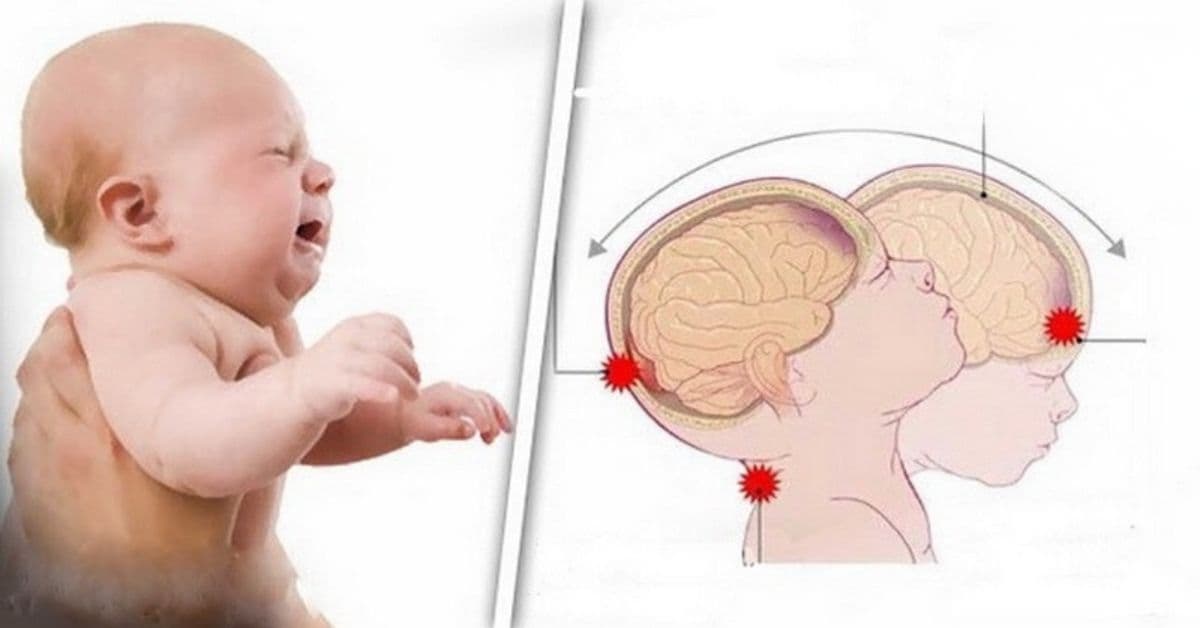
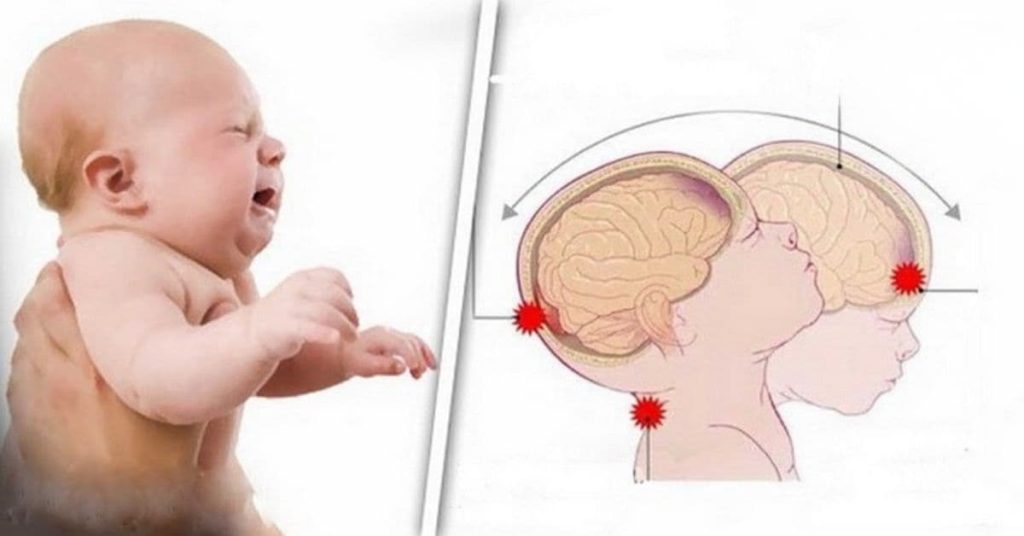
A baby’s head is disproportionately large and heavy compared to the rest of their body. At the same time, the neck muscles are weak and unable to support sudden movement. When a baby is shaken, the head moves rapidly back and forth, causing the brain to strike the inside of the skull.
This violent motion leads to internal injuries that are invisible from the outside but catastrophic on the inside. Unlike adults, infants cannot brace themselves or protect their heads, making them extremely susceptible to injury.
What Happens Inside the Baby’s Brain During Shaking
Inside the skull, the brain is soft and delicate. Shaking causes the brain to move violently, resulting in swelling, bleeding, and tearing of brain tissue. Blood vessels may rupture, leading to internal hemorrhaging. Oxygen flow to the brain can be interrupted, which increases the risk of long-term damage.
Even brief shaking can cause injuries that permanently affect brain development. In severe cases, the damage progresses rapidly and becomes life-threatening.
Why Infants and Young Children Are at Highest Risk
Shaken Baby Syndrome most commonly affects children under the age of five, especially infants under one year old. At this stage of development:
- Neck muscles are not strong enough to stabilize the head
- Brain tissue is highly sensitive to trauma
- Blood vessels are fragile
- The skull does not provide sufficient protection
Because of these factors, even one shaking incident can have devastating consequences.
The Most Common Triggers Behind Shaking
Crying is the leading trigger for shaking incidents. Prolonged crying can overwhelm parents, especially those who are sleep-deprived or under stress. Some caregivers shake babies in moments of anger or desperation, believing it will stop the crying.
It is crucial to understand that crying is a normal form of communication, not misbehavior. Babies cry to express hunger, discomfort, fear, or the need for attention. Shaking is never an acceptable response.
Life-Altering and Fatal Consequences
The consequences of shaking a baby can be severe and permanent. Some children survive but suffer lifelong disabilities that affect their ability to see, speak, walk, or learn. Others do not survive at all.
Medical professionals report that shaken baby injuries are among the leading causes of traumatic death in infants. In many cases, the damage is so severe that recovery is impossible.
Serious Outcomes Associated With Shaking a Baby
Shaking can lead to a wide range of outcomes, from mild neurological impairment to fatal brain injury. The effects may appear immediately or develop over time as the brain continues to swell or bleed.
Possible Consequences Include
- Traumatic brain injury
- Cerebral palsy
- Vision loss or blindness
- Partial or complete paralysis
- Severe developmental delays
- Loss of consciousness or coma
- Death
These outcomes are entirely preventable.
Warning Signs That Should Never Be Ignored
Symptoms of Shaken Baby Syndrome may not be obvious right away. In some cases, caregivers notice changes hours or even days later. Immediate medical attention is critical if any concerning signs appear.
Symptoms That May Indicate Serious Injury
- Unusual irritability or extreme lethargy
- Loss of appetite or refusal to feed
- Vomiting without a clear cause
- Difficulty breathing or irregular breathing
- Abnormally large or unequal pupils
- Bruising around the eyes
- Seizures
- Loss of consciousness
If any of these symptoms are present, emergency medical care is essential. Delaying treatment can be fatal.
Why Playful Tossing Is Also Dangerous
Some caregivers believe that tossing a baby into the air and catching them is harmless fun. In reality, this action creates the same acceleration and deceleration forces that cause shaking injuries. Even when done playfully, it puts the baby’s brain at serious risk.
There is no safe form of shaking or tossing.
What Parents Should Do When They Feel Overwhelmed
Parenting is exhausting, especially in the early years. Feeling frustrated or overwhelmed does not make someone a bad parent — acting on that frustration dangerously does.
If emotions escalate, the safest response is to place the baby in a safe location, such as a crib, and step away for a few minutes to calm down. Asking for help from a partner, family member, or healthcare provider is a responsible decision.
Education Is the Most Powerful Prevention Tool
Shaken Baby Syndrome is completely preventable. Most cases occur because caregivers are unaware of the danger. Education saves lives. Every parent, babysitter, and caregiver must understand that shaking a baby is never safe, no matter the reason.
Spreading awareness can prevent irreversible tragedies and protect children who cannot protect themselves.
A Final Message to Parents and Caregivers
One moment of loss of control can change a child’s life forever. No amount of frustration, exhaustion, or anger justifies shaking a baby. Babies rely entirely on adults for safety.
Calmness, patience, and knowledge are the strongest tools in keeping children safe.
Vau.ge – Your Daily Guide for Practical Advice!
Vau.ge is a place where caring for your health, beauty, and daily routines becomes a natural, accessible, and enjoyable experience. Our main goal is to provide you with reliable information about natural remedies, homemade recipes, and practical tips that help you live a healthier life, look better, and simplify your everyday tasks without unnecessary expenses.
Our tips are easy to incorporate into your everyday life — whether it’s skincare, haircare, health-boosting remedies, or small tricks to save time. This knowledge will not only improve your own life but also allow you to share the experience with others, giving more people the chance to live a balanced life naturally and economically.
Please note: The articles on our website are for informational purposes only and do not replace professional medical advice. If you have serious health concerns, please consult a qualified specialist.