











Ear pain, medically known as otalgia, is a common and distressing symptom that can strike at any age. It can range from mild discomfort to intense, throbbing pain, sometimes accompanied by hearing loss, ear congestion, ringing, or even discharge. One of the most frequent causes of ear pain is otitis—an infection or inflammation of the ear. But what should you do when ear pain strikes, especially if you are at home and need immediate relief? Here I share the methods and remedies that I have personally used to relieve ear pain quickly and effectively. Over the years, these techniques have helped me, my family, and friends find relief when waiting for medical care.
Recognizing Ear Pain and Otitis: Symptoms and Risks
Otitis can be classified into acute and chronic forms, each with different symptoms. Acute otitis is usually more severe, presenting with sharp, intense pain, a feeling of fullness or blockage, reduced hearing, ringing in the ears, and sometimes a fever. You may even notice discharge if the eardrum is perforated. Chronic otitis, on the other hand, is often characterized by persistent ear ringing (tinnitus) and gradual hearing loss, with pain being less prominent.
The most common cause of ear pain is infection—either viral or bacterial. However, other triggers include injury (such as a blow to the ear), presence of a foreign object, or even changes in pressure (such as during air travel, riding in a high-speed elevator, or exposure to cold wind).
Note: Ear pain should never be ignored, especially in children. Delayed or improper treatment can lead to serious complications, such as hearing loss, mastoiditis, meningitis, or even brain abscesses. If you or your child experiences severe or persistent ear pain, fever, swelling, or discharge, seek medical attention from an ear-nose-throat (ENT) specialist as soon as possible.
First Aid and Fast Relief at Home
While professional medical care is crucial, you may need to manage the pain before seeing a doctor. Here are the steps and home remedies I recommend for fast, temporary relief:
1. Warm Compresses
Applying warmth to the affected ear can provide soothing relief and reduce pain. Use a clean, soft cloth or cotton pad soaked in warm (not hot) water, wring out excess liquid, and place it gently over the ear. You can also use a heating pad on a low setting. This method is safe for both adults and children and helps increase blood flow, which can reduce discomfort.
2. Camphor Spirit Cotton Ball
For many years, one of the most traditional remedies for ear pain in my family has been to insert a small cotton ball soaked in camphor spirit into the outer ear canal (never deep inside). This provides a warming, slightly numbing effect. Do not use this method if you suspect a ruptured eardrum or if there is any discharge from the ear.
3. Lemon Juice Drops (Folk Remedy)
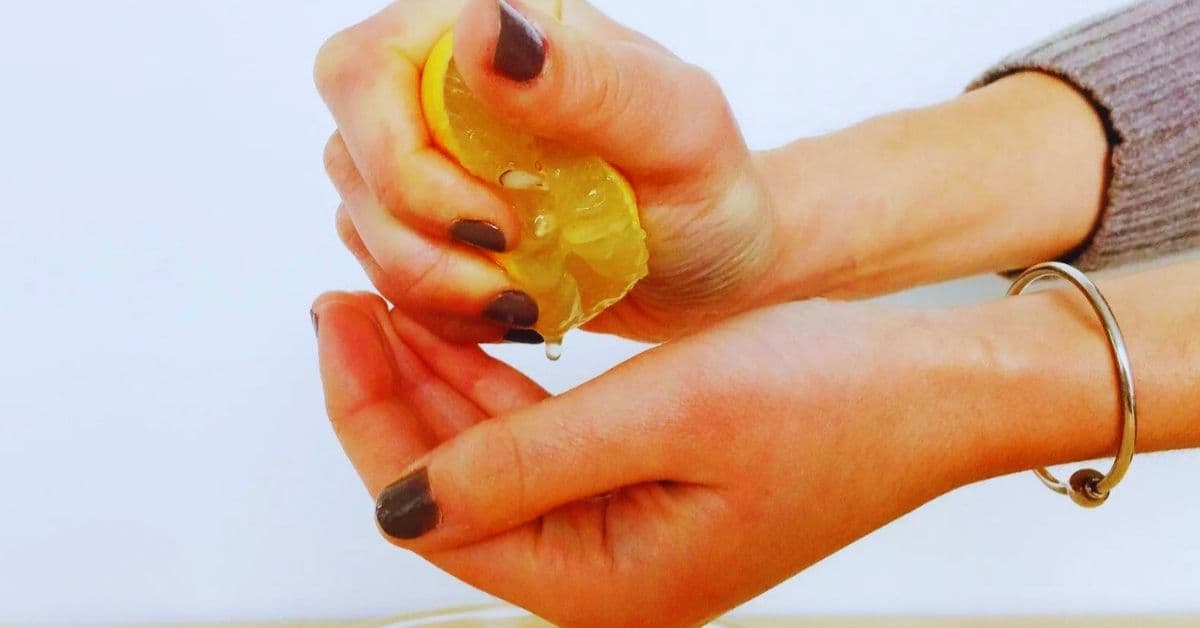
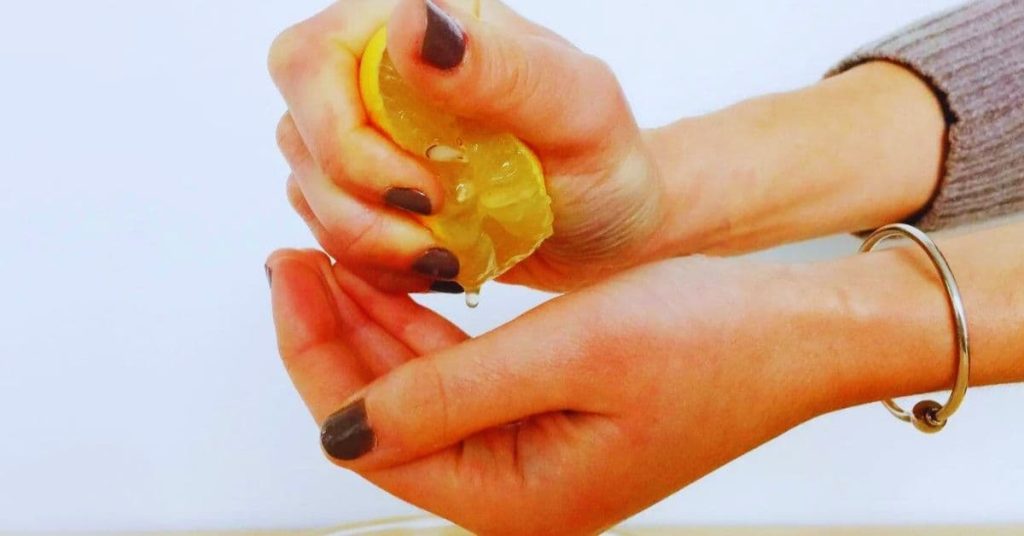
A lesser-known but surprisingly effective folk remedy involves using fresh lemon juice to calm ear pain and ringing. Simply squeeze fresh lemon juice and, using a sterile dropper, place three drops into the affected ear. Do this up to three times a day. According to old herbal texts, this method can provide rapid relief from ear noise and discomfort. I have personally used this remedy for my husband, who suffered from persistent ear pain and tinnitus; after just a few treatments, his symptoms disappeared and did not return for over two years. My elderly mother has also found relief using this technique.
4. Pain Relievers
If the pain is severe and medical help is not immediately available, over-the-counter pain relievers like acetaminophen (paracetamol) or ibuprofen can be used. Always follow dosing instructions and ensure the medicine is appropriate for the patient’s age and health condition.
Special Considerations for Children
Ear infections are particularly common in young children, often occurring after respiratory illnesses like colds or flu. The onset is usually sudden: a child may develop a high fever, cry from pain, or complain of muffled hearing. Middle ear infections (acute otitis media) are the most frequent and can quickly become serious.
What to do:
- Call a doctor immediately if you suspect your child has an ear infection.
- Do not insert objects or liquids deep into the ear canal.
- Use warm compresses and, if necessary, age-appropriate painkillers until medical care is available.
- After starting any treatment, a follow-up with your doctor in about two weeks is crucial to ensure complete recovery and avoid complications.
How to Make an Ear Compress at Home
A warm compress can be a powerful pain reliever. Here’s how to prepare one for ear pain:
- Fold a piece of gauze or cloth several times and cut a hole in the center, the size of the ear.
- Soak the cloth in warm water or diluted camphor spirit, then wring out the excess liquid.
- Place the compress around the ear (not inside the ear canal).
- Cover with a piece of
- waxed paper cut to the same shape, then add a layer of cotton wool.
- Each layer should be 2–3 cm wider than the previous.
- Secure the compress with a bandage or scarf and leave in place for 2–4 hours (best applied in the evening).
Important: Do not block the ear canal with cotton, as this can trap moisture and worsen infections.
Causes and Prevention of Ear Pain
Understanding the root cause of ear pain helps in preventing future episodes:
- Infections (bacterial or viral) are the leading cause. Protect your ears from colds and upper respiratory tract infections.
- Water exposure (swimming, showering) can lead to “swimmer’s ear.” Always dry your ears gently.
- Foreign objects (cotton swabs, hearing aids) should be used with caution.
- Sudden pressure changes (flying, diving) can cause barotrauma. Swallowing or yawning during ascent/descent helps equalize pressure.
- Cold weather: Protect your ears with a hat or headband.
When to See a Doctor
While home remedies can provide temporary relief, always consult a healthcare professional if you notice:
- Severe, persistent, or worsening pain
- Fever above 38.5°C (101°F)
- Hearing loss or ringing
- Fluid or pus coming from the ear
- Swelling, redness, or tenderness around the ear
- Symptoms lasting more than 48 hours
Final Thoughts: Fast and Natural Ear Pain Relief
Natural and home remedies can help manage ear pain and discomfort until you can see a doctor. Techniques like warm compresses, camphor spirit, and even lemon juice drops (with proper caution) have stood the test of time. However, remember that ear infections can lead to serious complications if not treated correctly, especially in children. Always seek medical advice when in doubt.
Wishing you and your loved ones strong hearing and good health!
Vau.ge – Your Daily Guide for Practical Advice!
Vau.ge is a place where caring for your health, beauty, and daily routines becomes a natural, accessible, and enjoyable experience. Our main goal is to provide you with reliable information about natural remedies, homemade recipes, and practical tips that help you live a healthier life, look better, and simplify your everyday tasks without unnecessary expenses.
Our tips are easy to incorporate into your everyday life — whether it’s skincare, haircare, health-boosting remedies, or small tricks to save time. This knowledge will not only improve your own life but also allow you to share the experience with others, giving more people the chance to live a balanced life naturally and economically.
Please note: The articles on our website are for informational purposes only and do not replace professional medical advice. If you have serious health concerns, please consult a qualified specialist.