









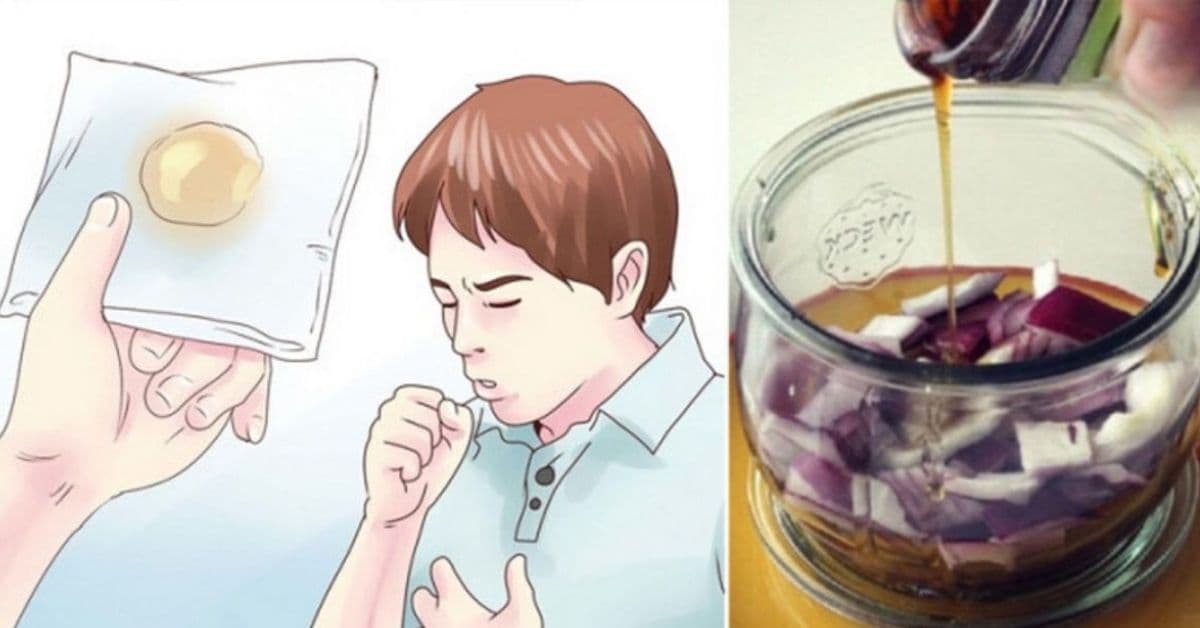
Respiratory discomfort is something almost everyone experiences at different times of the year. Seasonal changes, dry indoor air, temperature fluctuations, and common viral infections can all contribute to throat irritation, coughing, and that familiar feeling of heaviness in the chest. Because of this, many cultures have developed their own traditional home practices intended to support general comfort during such periods.
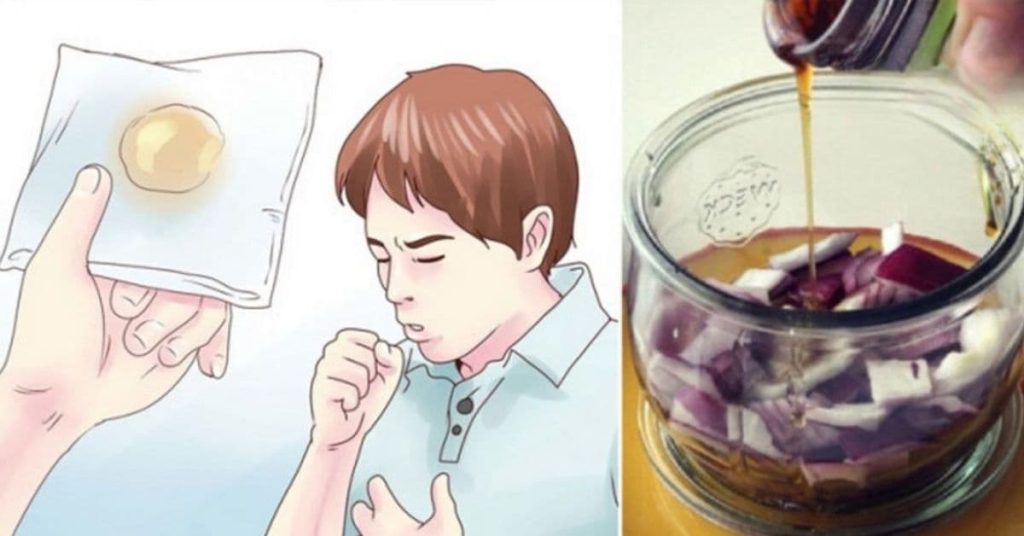
One particularly well-known combination that frequently appears in folk wellness traditions involves onion, honey, lemon, and water. This blend is often described in home remedy discussions as a soothing mixture used alongside normal daily routines. While modern medicine remains essential for diagnosing and treating respiratory conditions, interest in traditional kitchen-based preparations continues to grow, largely because of their accessibility and long history of use.
This article explores the reasoning behind this traditional blend, how it is commonly prepared in household settings, and what considerations should be kept in mind when discussing such practices.
Why Onion and Honey Appear Together in Traditional Wellness Practices
Onions have been valued for centuries in many parts of the world. Beyond their culinary importance, onions are frequently mentioned in traditional health literature due to their naturally occurring compounds. They contain sulfur-based substances and various phytonutrients that have been widely studied in nutritional science. In everyday language, onions are often associated with immune support and general wellness.
Honey, on the other hand, is one of the oldest natural sweeteners known to humanity. Historical records from numerous civilizations reference honey not only as food but also as a substance used in soothing preparations. Its thick texture and mild sweetness make it particularly popular in mixtures intended for throat comfort.
When combined, onion and honey create a preparation that is often described as both palatable and gentle. Lemon is commonly added for its acidity and fresh taste, while water serves as the base that dilutes and integrates the ingredients.
It is important to note that such traditional combinations are not substitutes for medical treatment. Instead, they are typically discussed as supportive household practices used by individuals seeking comfort during mild, temporary discomfort.
A Commonly Shared Preparation Method
Various versions of this blend exist, but many traditional descriptions follow a similar preparation style. The following method reflects one of the frequently referenced approaches in home remedy discussions.
Ingredients Often Mentioned
- Several onions
- Natural honey
- Fresh lemons
- Water
- Sugar (optional in some variations)
General Preparation Concept
In traditional household recipes, sugar is sometimes gently heated until it changes color, after which chopped onions, honey, and water are added. The mixture is then simmered slowly. Once cooled, lemon juice is incorporated.
The final liquid is typically stored in a glass container. In many anecdotal descriptions, small portions are consumed before meals. However, practices vary widely, and there is no medically standardized dosage for such mixtures.
Again, this type of preparation belongs to the realm of traditional wellness culture rather than evidence-based clinical protocols.
Why Such Blends Remain Popular
The continued popularity of kitchen-based mixtures is not surprising. They rely on ingredients that are widely available, inexpensive, and familiar. Many people feel comforted by preparations that have been passed down through generations, particularly when these recipes are tied to family memories or cultural traditions.
Another factor is psychological reassurance. Warm, sweet liquids can subjectively feel soothing, especially when someone is experiencing throat dryness or mild irritation. The ritual of preparing and consuming a homemade mixture may itself contribute to perceived comfort.
However, perceived comfort does not automatically equal clinical effectiveness. Scientific evaluation of traditional remedies is complex and often inconclusive. Therefore, caution and balanced expectations are essential.
Important Health Considerations
Whenever discussing traditional blends, several practical points should be remembered:
Medical Evaluation Comes First
Persistent coughing, breathing difficulty, chest pain, or long-lasting symptoms always warrant professional medical evaluation. Conditions such as asthma, chronic bronchitis, infections, and allergic reactions require proper diagnosis.
Individual Sensitivities Vary
Some individuals may be sensitive or allergic to honey or citrus. Others may experience digestive discomfort from onion-based preparations.
Sugar Intake Awareness
Recipes containing significant amounts of sugar may not be appropriate for everyone, particularly individuals monitoring blood sugar levels.
Complementary, Not Curative
Traditional mixtures should be viewed as complementary comfort practices rather than cures.
The Role of Hydration and Lifestyle Factors
Modern health guidance consistently emphasizes hydration, adequate rest, balanced nutrition, and clean air environments for supporting general respiratory well-being. Warm fluids, humidified air, and avoidance of irritants such as smoke are widely accepted strategies.
Interestingly, many traditional practices indirectly align with these principles. Warm liquid mixtures encourage fluid intake, which may contribute to temporary throat comfort.
Frequently Asked Questions
- Is this onion and honey blend a medical treatment?
No. It is considered a traditional household preparation rather than a clinically validated treatment. Medical conditions should always be evaluated by healthcare professionals.
- Why do people associate honey with throat comfort?
Honey’s thick consistency and natural sweetness often create a soothing sensation when consumed. This subjective effect explains its popularity in many traditional preparations.
- Can such blends replace prescribed medication?
No. Prescribed treatments should never be replaced without medical supervision.
- Are there risks to trying traditional mixtures?
Potential risks include allergies, sensitivities, excessive sugar intake, or delayed medical consultation if symptoms persist.
- When should someone seek medical advice?
If respiratory symptoms are severe, worsening, or lasting longer than expected, professional medical evaluation is strongly recommended.
Final Thoughts
Traditional kitchen-based preparations occupy an interesting space between cultural heritage and modern wellness curiosity. The onion and honey blend discussed here represents one of many household practices shared across generations.
While such mixtures may offer subjective comfort for some individuals, responsible health decisions require a clear distinction between tradition and medical science. Persistent or serious symptoms should always be addressed by qualified healthcare providers.
Respecting tradition and respecting evidence-based medicine are not mutually exclusive. A balanced, informed approach remains the safest path.
Vau.ge – Your Daily Guide for Practical Advice!
Vau.ge is a place where caring for your health, beauty, and daily routines becomes a natural, accessible, and enjoyable experience. Our main goal is to provide you with reliable information about natural remedies, homemade recipes, and practical tips that help you live a healthier life, look better, and simplify your everyday tasks without unnecessary expenses.
Our tips are easy to incorporate into your everyday life — whether it’s skincare, haircare, health-boosting remedies, or small tricks to save time. This knowledge will not only improve your own life but also allow you to share the experience with others, giving more people the chance to live a balanced life naturally and economically.
Please note: The articles on our website are for informational purposes only and do not replace professional medical advice. If you have serious health concerns, please consult a qualified specialist.