














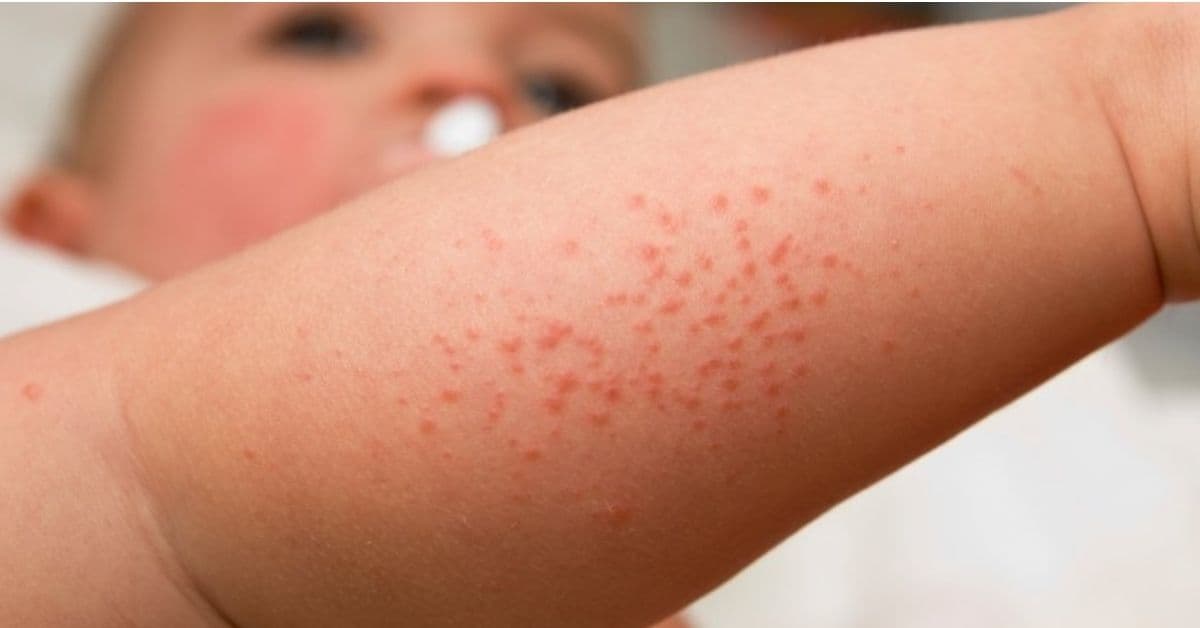
Muni is an infectious parasitic skin disease caused by a microscopic mite (Sarcoptes scabiei) that lives, reproduces, and tunnels within the human skin, causing significant discomfort. The disease spreads very quickly, especially among family members, in kindergartens, and schools, because close contact with just one infected person can transmit the parasite rapidly.
Although Muni is not life-threatening, ignoring it can lead to complications, chronic itching, secondary infections, and strong psychological discomfort. This is why early reaction is critical — particularly in children and the elderly.
How Does Muni Spread?
The mite burrows into the upper layers of the skin and lays eggs inside the tunnels it creates. This activity causes intense itching, especially at night.
Transmission occurs through:
• Direct skin-to-skin contact with an infected person
• Sharing household items and surfaces
• Contact with bedding, towels, blankets, and clothing
• Close interaction during play or hugging
For this reason, when Muni appears in one household member, doctors often recommend treatment for everyone as a precaution.
Who Gets Muni More Often?
Despite the widespread myth that Muni affects “unclean” individuals, hygiene has nothing to do with it. Even perfectly groomed and clean people can become infected.
Higher-risk groups include:
• Children who engage in contact-based play
• Kindergarten and school students
• Elderly individuals with weakened immune systems
• People living in crowded or enclosed environments
Muni thrives anywhere close contact is common.
How to Recognize Muni
The main symptom of Muni is intense, persistent itching. It typically becomes worse at night because body warmth increases mite activity.
Common signs include:
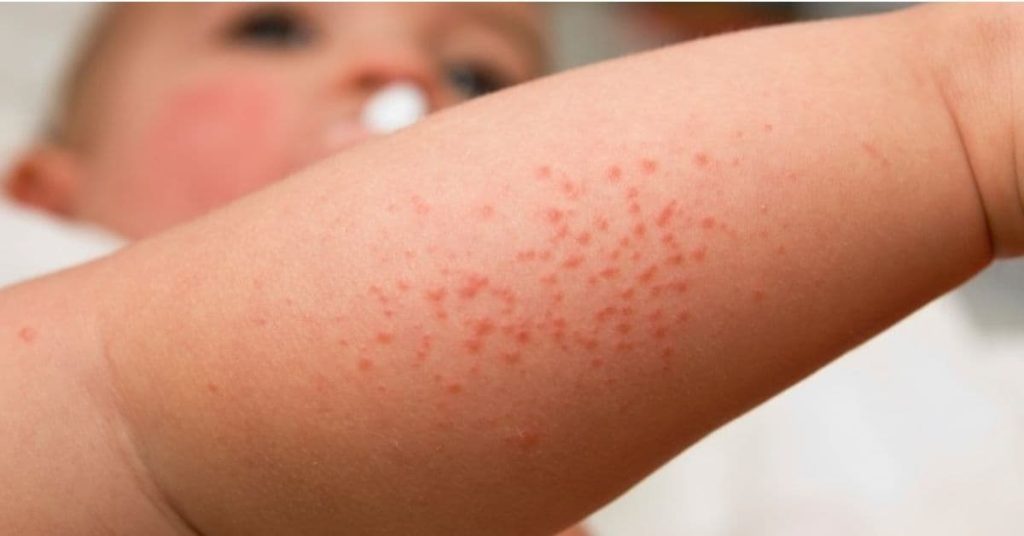
• Thin, clustered rashes and tiny blisters
• Fine, thread-like lines on the skin — the tunnels dug by the mites
• Redness and irritated patches
• Scratches caused by excessive itching
The most commonly affected areas are:
• Spaces between the fingers
• Inner wrists
• Genital area
• Inner thighs
• Buttocks
• Armpits
• Around the nipples
In children, Muni often spreads more widely, affecting:
• The feet
• Knees
• Abdomen
The visual pattern of the rash helps dermatologists make the correct diagnosis.
Why Ignoring Muni Is Dangerous
If the itching and irritation are left untreated, the following can occur:
• Open wounds and secondary bacterial infections
• Serious skin inflammation
• Permanent scarring
• Sleep interruption, irritability, and stress
• Learning difficulties and concentration issues in children
Additionally, if treatment is incomplete or incorrect, Muni often returns — sometimes more aggressively.
How Is Muni Treated?
Treatment typically includes:
• Prescription topical medications from a dermatologist
• Application to the entire skin surface — not only the visible rash
• Family-wide treatment to prevent re-infection
Commonly recommended treatments:
• Special medicated creams and lotions
• Soothing moisturizing creams to repair the skin barrier
• Antihistamines to relieve itching
It is crucial to follow the medical treatment plan exactly as instructed.
How to Protect Your Family
When one person becomes infected, household prevention is essential.
Muni can be transmitted through:
• Towels
• Blankets
• Clothing
• Bed linens
Therefore, you should:
• Change bedding frequently
• Wash laundry at high temperature
• Iron clothes when possible
• Disinfect all bedding and shared accessories
This step is just as important as the medication itself.
What to Do Immediately
Act quickly if you notice:
• Nighttime itching
• Thin, linear rashes
• Several family members developing similar symptoms
Initial steps:
• Contact a dermatologist or family doctor
• Do not apply steroid creams without guidance
• Avoid using alcohol on irritated skin
• Do not scratch or pick at the rash
In children, special care is required:
• Limit close physical contact with other children
• Inform school or kindergarten administration
• Check every family member carefully
• Disinfect toys and soft items
Common Mistakes People Make
Many delay treatment because they believe:
• “It will go away on its own.”
• “It’s just an allergy.”
• “I got sunburned.”
• “It’s from stress.”
This type of thinking can prolong the infection for 2–3 months and expose others.
When Should You See a Doctor?
Seek medical assistance immediately if:
• The rash spreads quickly
• Itching intensifies
• The skin becomes cracked or produces pus
• The child develops a fever
• Multiple family members develop symptoms
Is Prevention Possible?
Yes — and it’s very simple:
• Avoid sharing personal items
• Use your own towel and bedding
• Change linens regularly
• Maintain clean, dry skin
Information and awareness are often more important than cleanliness alone.
Conclusion
Muni in children and adults requires an urgent response. It does not disappear on its own and spreads aggressively. With correct treatment, Muni is completely curable, and the risk of recurrence decreases significantly.
The most important factors are:
• Early diagnosis
• Treatment prescribed by a medical professional
• Collective prevention among household members
• Proper disinfection of bedding and clothing
If you take the infection seriously, relief comes quickly, safely, and permanently.
Vau.ge – Your Daily Guide for Practical Advice!
Vau.ge is a place where caring for your health, beauty, and daily routines becomes a natural, accessible, and enjoyable experience. Our main goal is to provide you with reliable information about natural remedies, homemade recipes, and practical tips that help you live a healthier life, look better, and simplify your everyday tasks without unnecessary expenses.
Our tips are easy to incorporate into your everyday life — whether it’s skincare, haircare, health-boosting remedies, or small tricks to save time. This knowledge will not only improve your own life but also allow you to share the experience with others, giving more people the chance to live a balanced life naturally and economically.
Please note: The articles on our website are for informational purposes only and do not replace professional medical advice. If you have serious health concerns, please consult a qualified specialist.