






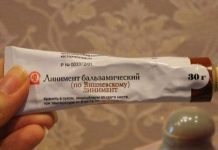



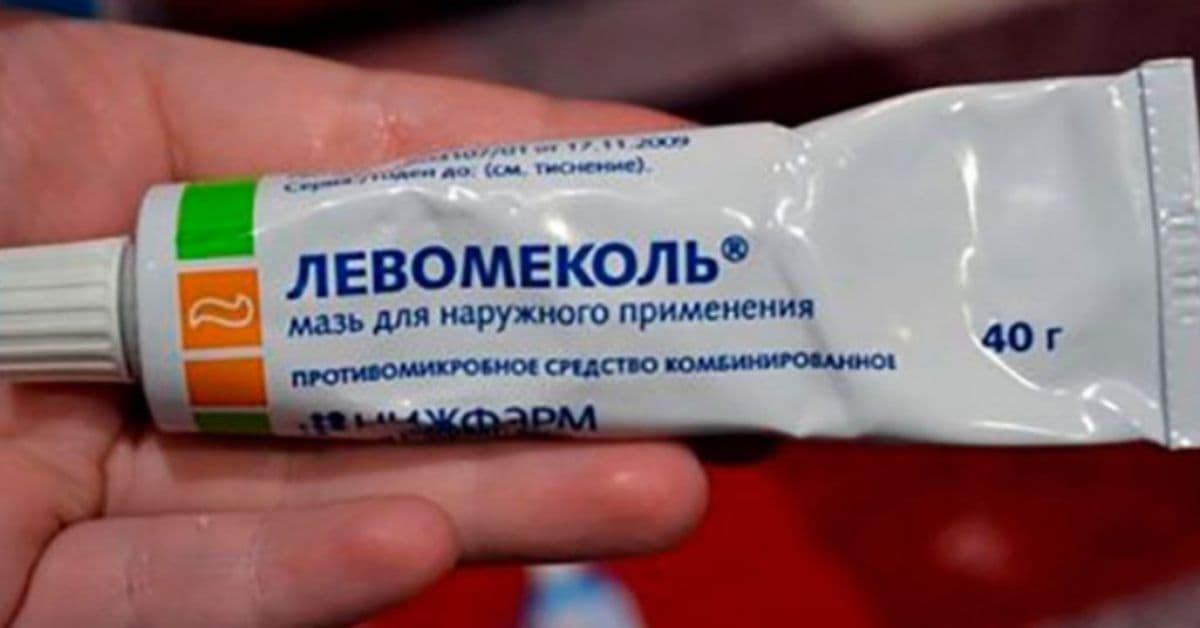
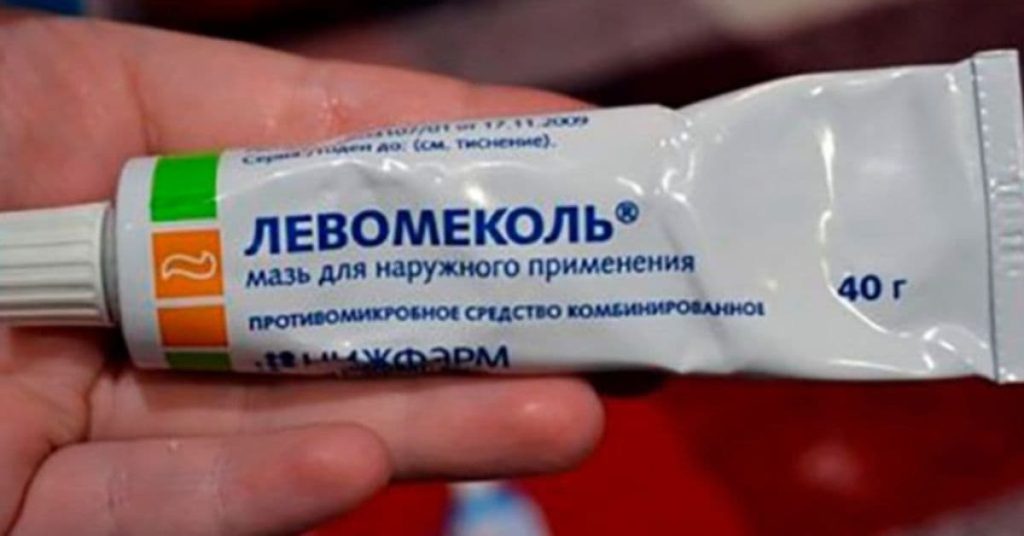
Levomekol is one of those essential remedies almost every household in Eastern Europe and beyond has in their home medicine cabinet. This multipurpose ointment has earned a reputation for being simple, affordable, and remarkably effective against a wide range of skin and soft tissue problems. While many new antibiotics and modern treatments have appeared in pharmacies, Levomekol has remained a trusted solution for decades. Its power lies in its unique combination of antimicrobial and wound-healing properties, making it a versatile treatment option in both everyday and medical settings.
What Is Levomekol?
Levomekol is an external-use ointment that combines two key active ingredients:
- Chloramphenicol – a broad-spectrum antibiotic that works against many bacteria, including Staphylococcus and Escherichia coli.
- Methyluracil – a compound that accelerates tissue repair, stimulates the immune system, and has anti-inflammatory effects.
In addition, the ointment’s base components help distribute the active ingredients evenly and allow them to penetrate deep into tissues. The price of Levomekol is generally very low—often just a few dollars—yet its effectiveness rivals far more expensive pharmaceutical products.
When Can You Use Levomekol?
1. Burns of Different Degrees
Levomekol is widely used in the treatment of burns. It not only prevents infection but also helps the wound cleanse itself from dead tissue and promotes healing.
How to use it for burns:
- Rinse the burn with cool water.
- Apply the ointment to a sterile gauze pad.
- Place the pad on the affected area.
- Change the dressing daily.
- Continue the process until the wound is completely healed.
For minor burns, the treatment usually lasts 5–14 days. For more serious burns, the ointment is often used in hospitals to prevent infection and speed up recovery.
2. Purulent Wounds and Skin Ulcers
One of the strongest indications for Levomekol is infected wounds. Whether caused by insect bites, cuts, scratches, or accidental injuries, Levomekol helps control bacterial growth and supports tissue repair.
If the wound is not infected:
- Clean the area with hydrogen peroxide or medical alcohol.
- Apply Levomekol directly on the wound.
- Cover with sterile gauze if necessary.
- Replace the dressing once a day until healed.
If the wound is purulent (infected with pus):
- First, clean the wound thoroughly using an antiseptic-soaked cotton swab.
- Apply Levomekol directly on the wound.
- Place a gauze pad soaked in Levomekol on top.
- If pus continues to discharge, change the dressing several times a day.
- Continue treatment until the wound heals completely.
3. Hemorrhoids
Levomekol can also be applied to inflamed hemorrhoids, but only during flare-ups and for a short duration—no longer than 10 days.
Application method:
- Wash the anal area with warm water and dry gently with a towel.
- Apply Levomekol to the inflamed area before bedtime.
- Repeat daily for up to 10 days.
The ointment reduces inflammation, relieves pain, and prevents bacterial infection. However, it should not be considered a complete cure. For long-term treatment of hemorrhoids, doctor-prescribed medications or procedures may be necessary.
4. Sinusitis (Maxillary Sinus Inflammation) and Ear Infections
Levomekol has also been used as a supportive treatment for sinus and ear conditions.
For chronic rhinitis or sinusitis:
- Apply a small amount of Levomekol with a cotton swab inside the nostrils 1–2 times a day.
- Alternatively, soak a rolled piece of sterile gauze with Levomekol, insert it gently into the nostrils, lie back with your head tilted, and keep it in place for about 30 minutes.
- Repeat the procedure 3–4 times daily for 5–7 days.
For ear infections (external suppuration or furuncles):
- Insert a small gauze wick soaked in Levomekol into the outer ear canal.
- Leave overnight.
- Continue for 5–10 days.
This method helps reduce pain, swelling, and purulent discharge.
5. Acne and Skin Inflammation
According to user reviews, Levomekol can be effective against acne due to its strong antibacterial properties.
How to use for acne:
- Apply directly on individual pimples with a cotton swab.
- Do not spread over large skin areas, as this may reduce local immunity.
- Limit use to no more than 10 days.
Because skin can adapt to Levomekol, it is best to alternate with other acne treatments. While it won’t eliminate the root cause of acne, it can quickly reduce redness and swelling.
6. Gum Infections and Periodontitis
Levomekol can even be used in dental care, particularly for gum inflammation and periodontal disease.
How to apply:
- First rinse your mouth with an anti-inflammatory mouthwash or sage infusion.
- Roll a small piece of sterile cotton, soak it in Levomekol, and apply directly to the affected gum area.
- Keep it in place for several hours.
- Repeat twice a day until the pain and swelling subside.
Here, Levomekol serves only as a supportive measure. Gum problems require a dentist’s supervision for full treatment.
Why Is Levomekol Still Relevant Today?
Despite the development of many new antibiotics and modern wound-healing agents, Levomekol continues to hold a unique place in medicine. Its advantages include:
- Broad antibacterial action – effective against common pathogens.
- Accelerated tissue regeneration – thanks to methyluracil.
- Low cost – affordable for everyone.
- Versatility – can be used for burns, wounds, infections, acne, sinusitis, and more.
- Ease of use – applied externally, no complex preparation required.
Many doctors no longer emphasize its use, preferring more modern alternatives. However, patients and folk practitioners often highlight its effectiveness, especially in emergency situations when professional medical care is not immediately available.
Important Considerations
While Levomekol is safe for external use, there are a few important guidelines:
- Do not use for more than 14 consecutive days without consulting a doctor.
- Do not apply to very large skin areas or open cavities without medical advice.
- Pregnant or breastfeeding women should consult a physician before use.
- If there is allergic reaction (rash, itching, swelling), discontinue immediately.
Conclusion
Levomekol remains a remarkable and time-tested ointment. From burns and purulent wounds to hemorrhoids, sinusitis, acne, and even gum infections, it has shown effectiveness in a wide variety of conditions. Affordable and easy to use, it continues to serve as a trusted household remedy for millions of families.
Yet, it is important to remember: while Levomekol can bring significant relief and support healing, it should not replace proper medical treatment when needed. Always consult a healthcare professional if symptoms persist or worsen.
So, if you don’t already have Levomekol in your home pharmacy, this humble ointment may be worth adding—it just might save you from discomfort or complications when you least expect it.
❓ Frequently Asked Questions
1. Can Levomekol be used for acne?
Yes. Levomekol can be applied directly to inflamed pimples to reduce redness and swelling. It should only be used on small areas for up to 10 days to avoid skin dependence.
2. Is Levomekol safe for burns?
Yes. Levomekol is widely used for minor and moderate burns. It prevents infection, accelerates healing, and reduces pain and inflammation. Always apply on clean skin with sterile gauze.
3. Can Levomekol help with sinus infections (sinusitis)?
Levomekol may be used in cases of sinusitis by applying gauze soaked in ointment inside the nostrils for 20–30 minutes. However, this method should only be used for short periods (5–7 days) and under medical supervision.
4. Is Levomekol effective for gum problems and periodontitis?
Yes. Dentists sometimes recommend applying Levomekol with cotton or gauze directly to inflamed gums. It reduces swelling and bacterial infection, but it should be considered supportive care rather than a full treatment.
5. Are there any side effects of Levomekol?
Side effects are rare. The most common are local allergic reactions such as redness, itching, or rash. If these symptoms appear, stop using the ointment and consult a healthcare provider.
6. Can Levomekol replace antibiotics?
Levomekol has strong antibacterial properties, but it should not be seen as a complete replacement for prescribed antibiotics. It works best as a topical treatment for wounds, burns, and infections.
Vau.ge – Your Daily Guide for Practical Advice!
Vau.ge is a place where caring for your health, beauty, and daily routines becomes a natural, accessible, and enjoyable experience. Our main goal is to provide you with reliable information about natural remedies, homemade recipes, and practical tips that help you live a healthier life, look better, and simplify your everyday tasks without unnecessary expenses.
Our tips are easy to incorporate into your everyday life — whether it’s skincare, haircare, health-boosting remedies, or small tricks to save time. This knowledge will not only improve your own life but also allow you to share the experience with others, giving more people the chance to live a balanced life naturally and economically.
Please note: The articles on our website are for informational purposes only and do not replace professional medical advice. If you have serious health concerns, please consult a qualified specialist.