














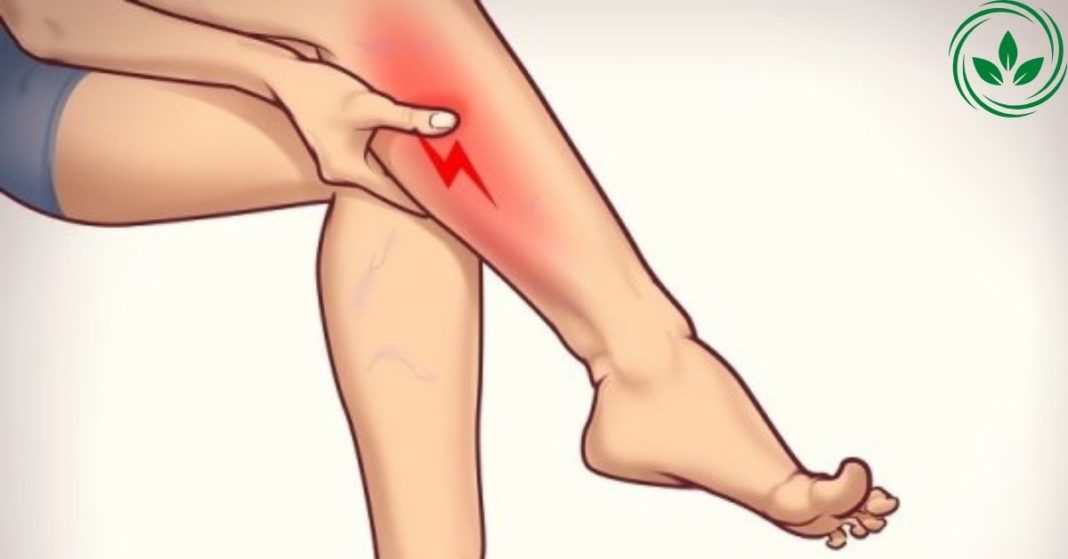
Leg cramps are a common problem that many people experience at night. They are sudden, quick muscle spasms or contractions in the thighs and hips. They usually occur after a person falls asleep or just before waking up in the morning. However, the pain caused by them can be quite intense and may last for several minutes. Even after the cramp subsides, the muscles remain tense, tight, and sensitive to touch or sudden movement. It’s important to note that leg cramps are not the same as Restless Leg Syndrome (RLS). During cramps, people typically feel more pain when moving their legs, whereas those with RLS tend to feel relief when they move. The exact cause of leg cramps is still unknown, but some scientists suggest that certain health conditions and activities may contribute to this painful experience.
Some possible causes include:
- Pregnancy
- Dehydration
- Magnesium deficiency
- Potassium deficiency
- Kidney disease
- Calcium deficiency
- Physical activity
- Muscle overuse
- Poor blood circulation
- Thyroid problems
- Prolonged exposure to low temperatures
- Use of certain specific pharmaceutical medications
1. Physical activity To prevent cramps and relax the muscles, avoid standing for long periods and start walking daily for a set amount of time.
2. Stretching Stretch the muscles that are prone to cramping and gently massage those areas.
3. Increase water intake Make sure to drink plenty of water throughout the day to avoid dehydration, which is one of the main causes of muscle cramps.
4. Massage or acupuncture Acupuncture effectively relaxes muscles and directly addresses the root of the problem. Additionally, regular massage provides many benefits.
5. Magnesium It’s important to optimize your magnesium levels, as this essential nutrient helps prevent muscle cramps. Eat more nuts or massage your feet with magnesium oil. You can prepare a magnesium spray by boiling half a cup of distilled water and adding half a cup of magnesium chloride flakes. Let it cool and pour it into a spray bottle. Spray 5–10 times on both feet before going to bed.
6. Salt baths Epsom salt has been shown to significantly help with muscle cramps. Taking baths with it relaxes muscles and supplies a good amount of magnesium.
These remedies can help you prevent muscle cramps. But when you are already experiencing one, consider the following tips:
- Try to elevate your leg to improve blood flow
- Massage the muscles gently to help them relax
- Place your feet on the floor, stretch them out, and flex your toes
- Ensure good airflow in bed by using quality blankets, sheets, and clothing