














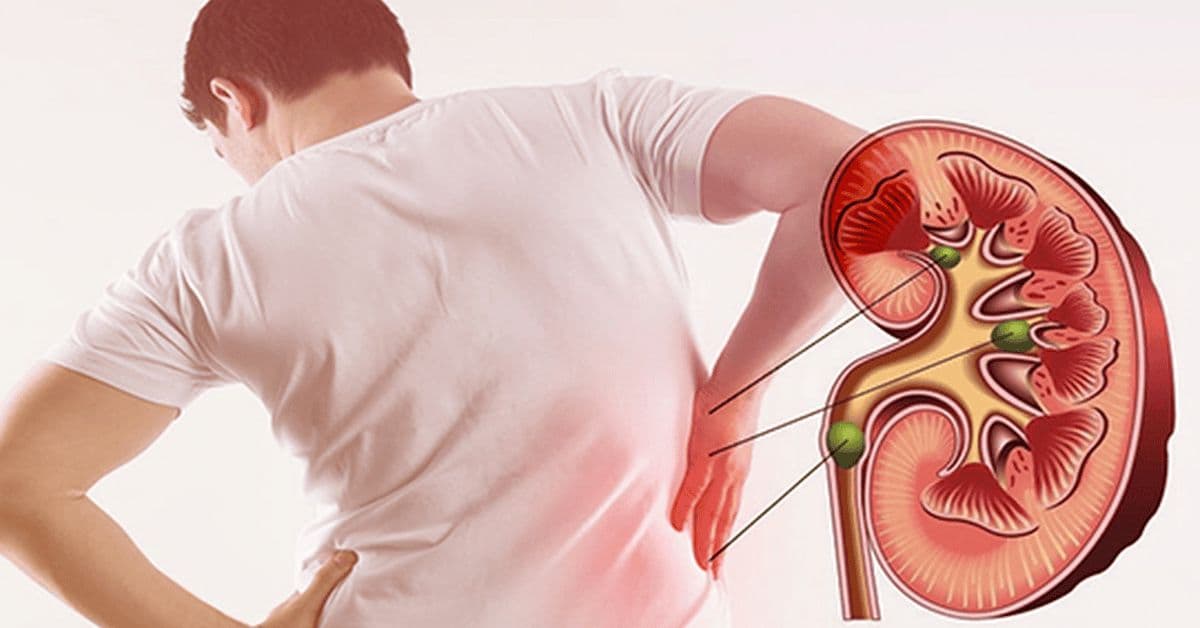
The kidneys are among the most important organs in the human body. Their primary role is to remove excess fluid, metabolic waste, and toxins from the bloodstream. Positioned high in the abdominal cavity on both the left and right sides, they work silently throughout the day to filter the blood and maintain proper chemical balance. When the kidneys begin to struggle, many other systems suffer as well. Because of this, paying attention to early warning signs can prevent serious complications and protect long-term health.
Kidney-related problems often develop gradually, and many people ignore the symptoms until the situation becomes difficult to manage. The most effective approach is to identify the underlying cause rather than treating only the discomfort. Two of the most common contributors to kidney damage are high blood pressure and diabetes. Elevated blood pressure puts tremendous strain on the delicate vessels inside the kidneys, while uncontrolled blood sugar gradually damages the filtration system. Genetic conditions may also play a role for some individuals, making family history an important factor to consider.
Recognizing the Most Common Symptoms
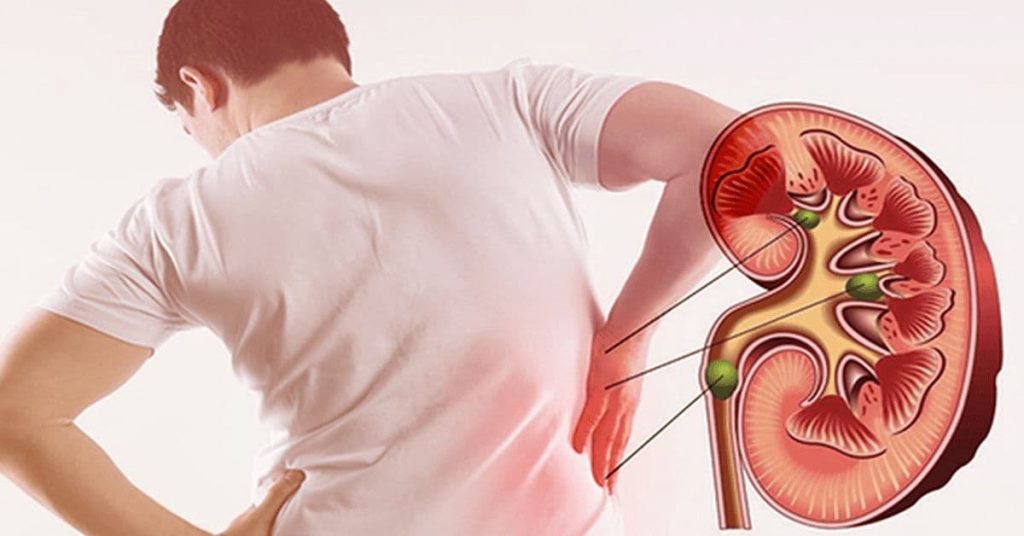
One of the earliest and most easily overlooked signs of kidney trouble is back pain. Because of the kidneys’ position just below the ribs, the pain often feels deeper and more centralized than standard lower back discomfort. People sometimes confuse this with muscle soreness, but kidney pain tends to appear higher up near the sides of the spine and may radiate toward the abdomen. The most frequent reasons behind this symptom are urinary tract infections and kidney stones, both of which can cause constant or intermittent aches.
Changes in urination are also among the most noticeable warning signs. Since the kidneys are directly responsible for producing urine, any functional disruption can manifest through alterations in color, volume, or frequency. You might find yourself waking up several times during the night to urinate or notice that the urine appears more bubbly or foamy than usual. This effect can happen when protein leaks into the urine, a sign that the kidneys’ filtration barrier is weakening. In some cases, blood may be visible, turning the urine pink, red, or brown. A burning sensation or difficulty urinating can also indicate that an infection is progressing through the urinary tract.
Skin problems can also signal kidney trouble. When the kidneys fail to properly remove waste products from the bloodstream, toxins begin to accumulate. This can lead to persistent itching, rashes, or dry patches on the skin. While these surface signs may seem unrelated, they often reflect deeper metabolic imbalances. Many patients initially attempt to treat the itching with creams or lotions, but relief is temporary when the root cause is internal.
Another frequent manifestation is fatigue. Healthy kidneys produce a hormone called erythropoietin (EPO), which stimulates the bone marrow to create red blood cells. These cells are responsible for carrying oxygen throughout the body. When kidney function declines, the production of EPO decreases, resulting in fewer red blood cells and lower oxygen levels. This condition, known as anemia, often leaves people feeling unusually tired, sluggish, weak, and short of breath even during light activities. In advanced cases, concentration and memory may also be affected.
While these symptoms may appear separately, noticing two or more together increases the likelihood of kidney involvement. Anyone experiencing these warning signs should consider scheduling a medical evaluation, especially if they already have risk factors such as hypertension, diabetes, obesity, frequent infections, or a family history of kidney disease.
Why Paying Attention Matters
Kidney disease often progresses silently. Because discomfort develops slowly, symptoms may only appear once significant damage has already occurred. Early diagnosis is crucial, as it allows health professionals to slow the progression, preserve kidney function, and prevent life-threatening complications. Without intervention, severe kidney damage can lead to fluid retention, heart problems, bone weakness, nerve damage, and in the most advanced cases, kidney failure requiring dialysis or transplantation.
People frequently underestimate the importance of drinking enough water. Hydration supports the kidneys’ ability to flush out waste and prevents crystal formation that can lead to stones. On days when people consume salty foods, caffeine, alcohol, or high-protein meals, the kidneys work even harder. Over time, this extra workload can lead to structural strain.
Diet is another major contributor. High amounts of processed foods, sugary snacks, and preservatives can increase inflammation and place additional burdens on the filtration process. On the other hand, foods rich in antioxidants — such as leafy greens, berries, citrus fruits, and healthy grains — can gently support kidney health. Moderation and balance are key.
Helpful Habits to Keep Your Kidneys Healthy
Here are a few simple habits that encourage optimal kidney function:
- Drink sufficient water every day to help the kidneys flush out toxins efficiently.
- Choose balanced, nutrient-dense foods rather than heavily processed items.
- Incorporate regular movement to promote circulation and reduce blood pressure.
- Avoid smoking and limit alcohol consumption, as both substances strain the kidneys.
Physical activity is especially important because it improves cardiovascular function. Healthy blood pressure means less force pushing against the tiny filtration vessels inside the kidneys. Even light activities such as daily walking can offer noticeable benefits. Meanwhile, smoking restricts blood vessels and reduces oxygen delivery, while excessive alcohol increases dehydration and inflammation.
Additionally, people who regularly take over-the-counter pain relievers such as ibuprofen should be cautious. Long-term use can damage kidney tissue. Whenever possible, such medications should be used only when medically necessary and under professional guidance.
Sleep also plays a role. During rest, the body repairs cellular damage and regulates hormones that influence kidney performance. Chronic sleep deprivation may increase the risk of kidney disease indirectly by elevating stress hormones, blood pressure, and appetite for unhealthy foods.
When to Seek Medical Advice
Any new or persistent symptom deserves attention. While occasional back pain or fatigue might have harmless explanations, recurring patterns suggest that the kidneys may need support. If changes in urination persist, or if swelling develops in the legs, ankles, or around the eyes, it is advisable to seek medical evaluation promptly. Doctors can order simple blood and urine tests to assess kidney filtration capacity and identify early stages of disease.
Listening to the body is essential. The kidneys rarely complain loudly at first — instead, they send small warning signals. Ignoring them allows damage to accumulate slowly but steadily. By recognizing these signs and adopting healthy habits, many people can protect their kidneys for years to come.
Your kidneys work tirelessly every day to keep your body functioning smoothly. Treat them with care, respond to subtle changes, and prioritize hydration, nutrition, and movement. If you remain mindful, you can support their performance naturally and maintain a healthier, more energetic life well into the future.
Wishing you strong health and balance.
Vau.ge – Your Daily Guide for Practical Advice!
Vau.ge is a place where caring for your health, beauty, and daily routines becomes a natural, accessible, and enjoyable experience. Our main goal is to provide you with reliable information about natural remedies, homemade recipes, and practical tips that help you live a healthier life, look better, and simplify your everyday tasks without unnecessary expenses.
Our tips are easy to incorporate into your everyday life — whether it’s skincare, haircare, health-boosting remedies, or small tricks to save time. This knowledge will not only improve your own life but also allow you to share the experience with others, giving more people the chance to live a balanced life naturally and economically.
Please note: The articles on our website are for informational purposes only and do not replace professional medical advice. If you have serious health concerns, please consult a qualified specialist.