














Leg cramps may seem like a harmless, occasional discomfort, but for many people over 50, they become a nightly visitor — a sudden, sharp, breathtaking pain that pulls you out of sleep and leaves your muscles shaking long after the spasm releases. What starts as a simple tightening of the calf or thigh can, over time, turn into a sign that the body is asking for help.
While leg cramps are incredibly common in older adults, the reasons behind them are often deeper than most people realize. They are not always “just aging.” They may signal nutritional deficiencies, circulation problems, underlying medical conditions, lifestyle habits, or even side effects of medications. Understanding the root causes is the first step toward finally getting relief.
Why Leg Cramps Become More Common After Age 50
As the body ages, muscles, nerves, and blood vessels no longer function as efficiently as before. This makes older adults significantly more prone to spasms — especially at night. When a muscle contracts involuntarily and cannot relax, a cramp occurs, often lasting from a few seconds to several minutes.
But why does this happen more often with age?
1. Loss of Muscle Mass (Sarcopenia)
Starting around age 40, the body naturally loses 1–2% of muscle mass every year. Weaker muscles tire faster and become more sensitive to strain, making them prone to sudden spasms.
2. Poor Circulation
Aging slows down blood flow, which means the muscles are not receiving oxygen and minerals fast enough. When circulation is weak — especially in the legs — cramps become more frequent.
3. Dehydration and Electrolyte Imbalance
Older adults often drink less water without realizing it. At the same time, the kidneys become less efficient at balancing electrolytes such as:
- magnesium
- potassium
- calcium
- sodium
Even a small deficiency can cause nighttime cramping.
4. Medication Side Effects
Certain prescriptions dramatically increase the chances of cramps, including:
- diuretics (water pills)
- blood pressure medications
- statins
- asthma medications
- antidepressants
Many seniors experience cramps without ever realizing their medication is the cause.
5. Nerve Compression
Spinal problems such as osteoarthritis, disc degeneration, or nerve impingement can disrupt nerve signals to the legs — often causing chronic cramps.
6. Sedentary Lifestyle
The less we move, the stiffer our muscles become. Long periods of sitting reduce blood circulation and weaken the calves and thighs, making nighttime spasms almost inevitable.
Common Medical Conditions Linked to Leg Cramps
Leg cramps can sometimes be an early warning sign of an underlying health issue, especially in older adults.
• Diabetes
High blood sugar damages nerves, leading to painful spasms.
• Thyroid Disorders
An underactive thyroid slows metabolism, leading to weakness and cramping.
• Kidney Disease
Impaired kidney function causes electrolyte imbalances, one of the main triggers of cramps.
• Peripheral Artery Disease (PAD)
A dangerous circulation problem where arteries narrow, reducing blood flow to the legs and causing severe cramping while walking or at night.
• Varicose Veins
Damaged veins affect circulation, resulting in dull aching or sharp spasms.
How to Relieve and Prevent Leg Cramps Naturally
Fortunately, most leg cramps can be significantly reduced — and often eliminated — by simple daily habits.
1. Gentle Daily Movement
Walking at least 20–30 minutes a day keeps the muscles strong and improves circulation.
Avoid standing or sitting in one position for too long.
2. Stretching Before Bed
Gently stretching the calves, hamstrings, and feet relaxes the muscles and prevents nighttime spasms.
Hold each stretch for at least 20–30 seconds.
3. Stay Hydrated
Drink water regularly throughout the day.
Dehydration is one of the most overlooked reasons for muscle spasms.
4. Magnesium Support
Magnesium is one of the most important minerals for muscle relaxation.
You can help your muscles by:
- taking magnesium supplements (if approved by a doctor)
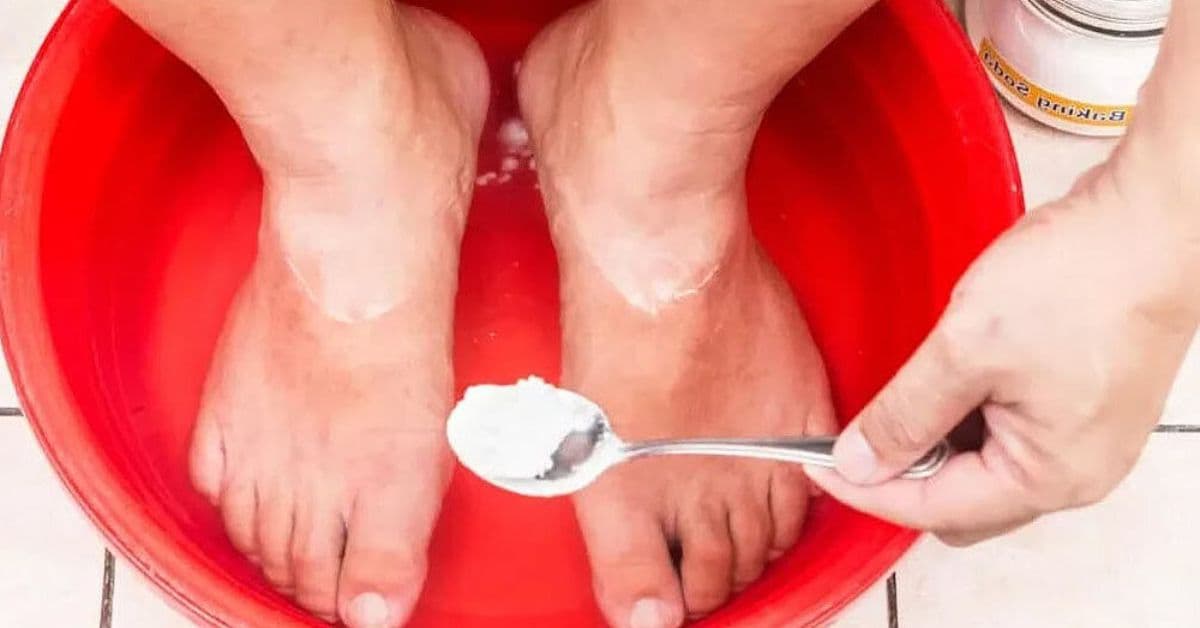
- soaking your feet in Epsom salt baths
- using magnesium oil spray on your legs before bed
To make simple homemade magnesium oil:
Boil ½ cup distilled water, add ½ cup magnesium chloride flakes, let it cool, pour into a spray bottle, and apply to both legs nightly.
5. Warm Baths or Heating Pads
Warmth relaxes tight muscles and increases blood flow.
A 10-minute warm soak before sleep can dramatically reduce cramps.
6. Gentle Massage
Massage improves circulation and relaxes the muscles, preventing sudden nighttime spasms.
Focus on the calves, thighs, and feet.
7. Improve Sleep Environment
Cold temperatures and heavy blankets can trigger cramps.
Keep your feet warm and allow good airflow around your legs.
What to Do When a Cramp Starts
If a cramp strikes suddenly:
- Stand up and place your feet flat on the floor
- Gently stretch the affected muscle
- Pull your toes upward
- Massage the area until the tightness eases
- Apply warmth if possible
Never jerk or force the muscle — slow and gentle movements work best.
When Leg Cramps Need Medical Attention
While most cramps are harmless, seek medical help if:
- they occur almost every night
- they last longer than 10 minutes
- they cause severe swelling, numbness, or weakness
- walking becomes painful
- you have diabetes or circulation problems
Persistent cramps might indicate a vascular or neurological disorder.
Conclusion
Leg cramps are not just a simple inconvenience — especially for people over 50. They can signal dehydration, mineral deficiencies, circulation problems, nerve issues, or even serious health conditions. The good news is that most causes are manageable, and many people find relief through lifestyle changes, stretching, hydration, magnesium, and gentle daily movement.
If leg cramps are keeping you awake or disrupting your life, don’t ignore them. Your body may be trying to tell you something important — and listening now can prevent bigger problems later.
Vau.ge – Your Daily Guide for Practical Advice!
Vau.ge is a place where caring for your health, beauty, and daily routines becomes a natural, accessible, and enjoyable experience. Our main goal is to provide you with reliable information about natural remedies, homemade recipes, and practical tips that help you live a healthier life, look better, and simplify your everyday tasks without unnecessary expenses.
Our tips are easy to incorporate into your everyday life — whether it’s skincare, haircare, health-boosting remedies, or small tricks to save time. This knowledge will not only improve your own life but also allow you to share the experience with others, giving more people the chance to live a balanced life naturally and economically.
Please note: The articles on our website are for informational purposes only and do not replace professional medical advice. If you have serious health concerns, please consult a qualified specialist.