














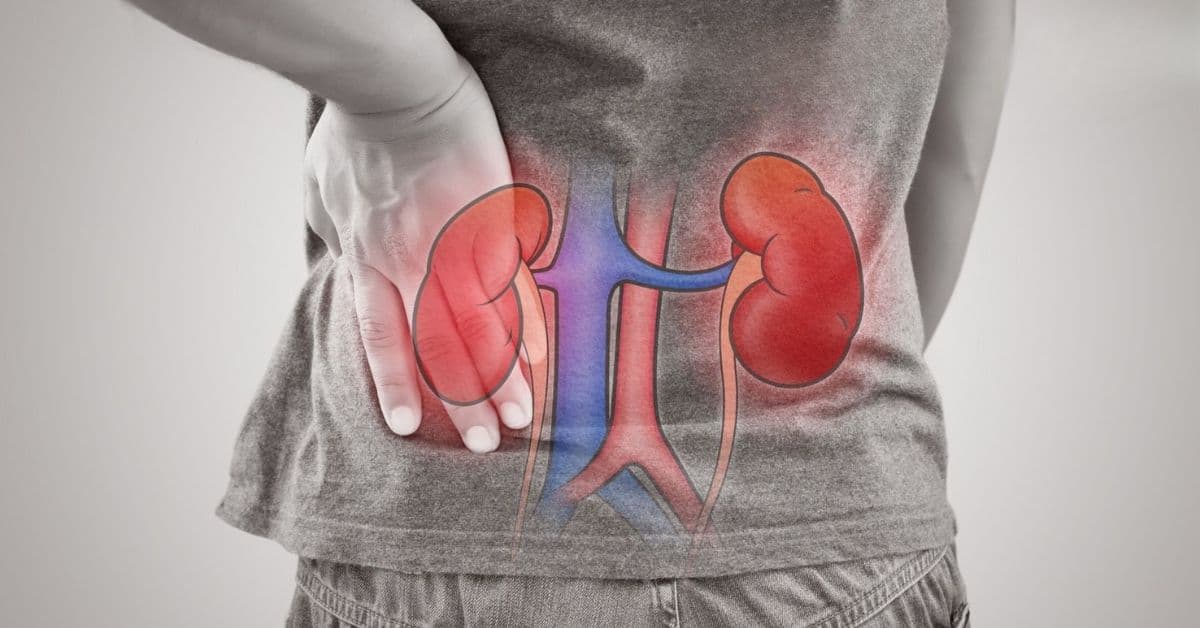
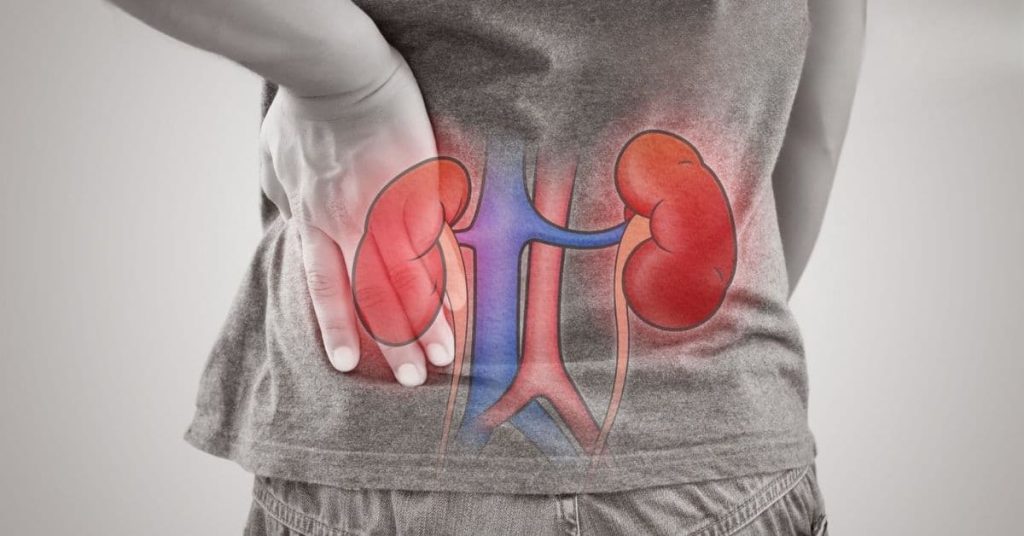
The kidneys are among the most vital organs in the human body, playing a central role in maintaining overall health and well-being. Their primary function is to remove excess fluids, waste products, and toxins from the blood, ensuring that harmful substances do not accumulate in the body. The kidneys are located in the upper abdominal area, on both the left and right sides, behind the lower ribs and opposite the back muscles.
Why Is Kidney Health Important?
Healthy kidneys help regulate blood pressure, balance electrolytes (such as sodium, potassium, and calcium), stimulate red blood cell production through the hormone erythropoietin, and keep bones healthy by converting vitamin D to its active form. When the kidneys are not functioning properly, it can lead to a wide range of health problems—some of which may be life-threatening.
Most Common Causes and Risk Factors for Kidney Problems
Kidney disease can develop for many reasons, but the most common causes include high blood pressure and diabetes. Genetic factors, autoimmune diseases, chronic infections, and the prolonged use of certain medications (such as painkillers and nonsteroidal anti-inflammatory drugs) also contribute to kidney dysfunction. Additionally, lifestyle habits like poor diet, dehydration, excessive alcohol consumption, and smoking can accelerate kidney damage.
Warning Signs and Symptoms of Kidney Problems
It is crucial to recognize the warning signs of kidney disease as early as possible, as many kidney-related issues progress silently without noticeable symptoms until significant damage has occurred. Here are the most common symptoms to watch for:
- Back Pain: Kidney pain is often deep, aching, and located just below the rib cage or in the upper back, distinct from the more superficial lower back pain caused by muscle strain. It may be accompanied by fever or urinary symptoms, especially in cases of infection or kidney stones.
- Changes in Urination: Because the kidneys are responsible for producing urine, any changes in urination can signal a problem. These changes might include:
- Frequent urination, especially at night.
- Foamy or bubbly urine, indicating the presence of protein.
- Blood in the urine (hematuria), making it appear pink, red, or brown.
- Difficulty or pain during urination.
- Urine that is unusually pale or dark.
3. Swelling (Edema): Healthy kidneys remove extra fluid from the body. When they are not working properly, fluid can build up in the legs, ankles, feet, hands, or around the eyes, causing visible swelling.
4. Fatigue and Weakness: As kidney function declines, the body produces less erythropoietin (EPO), a hormone that prompts the production of red blood cells. Low red blood cell count (anemia) leads to persistent fatigue, weakness, and a general lack of energy.
5. Shortness of Breath: Fluid build-up in the lungs, a consequence of kidney failure, can cause shortness of breath. Additionally, anemia associated with kidney disease may reduce the amount of oxygen delivered to the body’s tissues.
6. Metallic Taste in the Mouth and Bad Breath: The accumulation of toxins can affect the taste in your mouth, sometimes leaving a metallic taste, and may cause breath to smell like ammonia.
7. Nausea and Vomiting: A high level of toxins in the blood can cause persistent nausea, loss of appetite, vomiting, and unexplained weight loss.
8. High Blood Pressure: The kidneys play a major role in regulating blood pressure. Kidney dysfunction often causes blood pressure to rise and can make it difficult to control with standard medication.
9. Difficulty Concentrating or Confusion: Advanced kidney disease can lead to cognitive issues such as trouble concentrating, confusion, or memory problems, due to the build-up of toxins and electrolyte imbalances.
10. Skin Rash or Itching: A build-up of waste products in the blood (uremia) can cause severe itching, dry skin, or rashes. This is often one of the first signs that the kidneys are not filtering the blood effectively.
Types of Kidney Disease
- Acute Kidney Injury (AKI): Sudden loss of kidney function, often reversible with prompt treatment. Causes include dehydration, severe infections, urinary tract obstruction, and drug toxicity.
- Chronic Kidney Disease (CKD): Progressive loss of kidney function over months or years, often due to high blood pressure, diabetes, or long-term use of certain medications. CKD increases the risk of cardiovascular disease, anemia, bone disorders, and electrolyte imbalances.
- Polycystic Kidney Disease: A genetic disorder characterized by the growth of numerous cysts in the kidneys, potentially leading to kidney failure.
- Glomerulonephritis: Inflammation of the filtering units of the kidneys (glomeruli), which can result from infections, autoimmune diseases, or other conditions.
Tips to Maintain Healthy Kidneys
- Stay Hydrated:
Drinking adequate water is essential for the kidneys to filter toxins effectively. Generally, 2–3 liters of water per day is recommended for most adults, unless otherwise advised by a healthcare professional. - Follow a Balanced Diet:
Limit salt and processed food intake, and choose fresh fruits, vegetables, whole grains, and lean proteins. - Monitor Blood Pressure and Blood Sugar:
Regularly check these vital signs, as uncontrolled hypertension and diabetes are leading causes of kidney damage. - Avoid Overuse of Painkillers:
Long-term or excessive use of NSAIDs and other painkillers can harm the kidneys. - Exercise Regularly:
Staying physically active improves circulation, helps control weight, and supports overall kidney health. - Avoid Smoking and Limit Alcohol:
Both can worsen kidney function and increase the risk of other health complications. - Consult Your Doctor Regularly:
If you have risk factors such as diabetes, hypertension, or a family history of kidney disease, regular check-ups and urine/blood tests are essential for early detection.
Conclusion
Kidneys are indispensable for your body’s overall health and balance. If you notice symptoms such as persistent back pain, significant changes in urination, unexplained fatigue, swelling, or skin changes, consult a healthcare professional without delay. Early intervention can prevent complications and preserve your kidney function for years to come. Adopting a healthy lifestyle, staying well-hydrated, and being proactive about your health are the keys to keeping your kidneys healthy and strong.
Vau.ge – Your Daily Guide for Practical Advice!
Vau.ge is a place where caring for your health, beauty, and daily routines becomes a natural, accessible, and enjoyable experience. Our main goal is to provide you with reliable information about natural remedies, homemade recipes, and practical tips that help you live a healthier life, look better, and simplify your everyday tasks without unnecessary expenses.
Our tips are easy to incorporate into your everyday life — whether it’s skincare, haircare, health-boosting remedies, or small tricks to save time. This knowledge will not only improve your own life but also allow you to share the experience with others, giving more people the chance to live a balanced life naturally and economically.
Please note: The articles on our website are for informational purposes only and do not replace professional medical advice. If you have serious health concerns, please consult a qualified specialist.