




For a long time, I believed that an ingrown toenail inevitably leads to surgery. Pain, swelling, infection — everything pointed in that direction. But what I later discovered completely changed my understanding of this common and extremely uncomfortable condition.
An ingrown toenail develops when the side edge of the toenail grows into the surrounding skin. As the nail continues to grow, it curves and presses into the soft tissue, causing redness, swelling, tenderness, and pain — especially when pressure is applied.
This condition most commonly affects the big toe, on one or both sides, and can gradually worsen if ignored.
What Does an Ingrown Toenail Feel Like?
At first, the symptoms may seem mild. However, as the nail continues to dig into the skin, discomfort often increases.
Common symptoms include:
- Redness and inflammation at the edge of the toe
- Swelling caused by fluid buildup (edema)
- Increased sensitivity and pain when walking or wearing shoes
- Overgrowth of skin around the affected nail (hypertrophy)
- Bleeding in severe cases
- White or yellow discharge, which may indicate infection
Left untreated, an ingrown toenail can significantly affect daily life, making even simple movements painful.
Why Do Ingrown Toenails Develop?
Many people assume that ingrown toenails happen randomly, but in reality, several contributing factors are well known.
1. Improper Nail Trimming
Cutting nails too short or rounding the edges allows the surrounding skin to grow over the nail. When the nail grows back, it can pierce the skin instead of growing straight.
2. Tight Footwear
Shoes, socks, or tights that squeeze the toes create constant pressure on the nail and surrounding skin, increasing the likelihood of the nail embedding itself into the tissue.
3. Excessive Sweating
When the skin around the toes becomes soft due to moisture, it becomes easier for the nail to penetrate it.
4. Injury
Trauma to the toe — such as stubbing, dropping something heavy, or repetitive pressure — can alter nail growth and trigger ingrowth.
5. Natural Nail Shape
Some people naturally have curved or thick nails, making them more prone to ingrowth regardless of care habits.
Understanding the cause is essential before choosing any treatment approach.
Non-Surgical Care: When Surgery Is Not the First Step
Contrary to popular belief, not every ingrown toenail requires surgical intervention, especially in early or moderate stages. Non-invasive methods aim to reduce inflammation, soothe the skin, and prevent infection while allowing the nail to grow properly.
One such approach involves consistent local care combined with antiseptic support.
A Natural Antiseptic Cream Used in Traditional Care
This method focuses on reducing inflammation, calming pain, and supporting skin recovery using plant-based ingredients traditionally known for their soothing and protective properties.
Ingredients:
- Eucalyptus essential oil – 5 drops
- Lavender essential oil – 5 drops
- Tea tree essential oil – 5 drops
- Peppermint essential oil – 2 drops
- Oregano essential oil – 1 drop
- Coconut oil – 60 ml
- Aloe vera gel – 60 ml
Preparation:
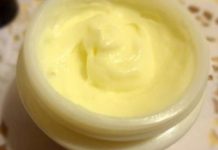
In a clean bowl, combine 60 ml of coconut oil with 60 ml of aloe vera gel. If the coconut oil is solid, gently warm it for a few seconds until it softens (do not overheat).
Add the essential oils and mix thoroughly. Transfer the mixture into a glass container, seal it tightly, and store it in a cool, dry place.
How to Use the Cream
Each evening, gently apply the mixture to the affected toenail and surrounding skin. While massaging, carefully try to relieve pressure on the irritated area without forcing the nail or cutting into the skin.
Ensure the cream makes full contact with the affected area to support skin recovery and comfort.
Consistency is key — this is not a one-time solution, but a daily care routine.
Why These Ingredients Are Traditionally Used
While this blend is not a medical treatment, the ingredients are widely known in traditional care practices:
- Tea tree oil is commonly associated with antibacterial and antifungal properties
- Lavender oil is valued for its calming and soothing effects
- Eucalyptus oil supports a fresh, cooling sensation
- Peppermint oil provides mild cooling relief
- Aloe vera is traditionally used to soothe irritated skin
- Coconut oil acts as a natural carrier and skin softener
Together, they create a supportive environment for irritated skin.
Important Safety Notes
This method is intended for mild to moderate cases only. Seek medical attention immediately if you experience:
- Severe pain
- Spreading redness
- Fever
- Significant pus or infection
- Diabetes-related foot issues
Never attempt to cut deeply into the nail or skin at home.
Why Early Care Matters
The biggest mistake people make with ingrown toenails is waiting too long. Early care may help reduce discomfort and prevent complications — sometimes eliminating the need for invasive procedures altogether.
This approach does not promise miracles. Instead, it offers a gentle, conservative option for those looking to support recovery responsibly.
Final Thoughts
Ingrown toenails are painful, frustrating, and often misunderstood. While surgery is sometimes necessary, it is not always the first or only option.
With proper care, attention to footwear and nail trimming habits, and gentle local support, many people find relief without aggressive interventions.
Sometimes, the simplest routines — done consistently — make the biggest difference.
Vau.ge – Your Daily Guide for Practical Advice!
Vau.ge is a place where caring for your health, beauty, and daily routines becomes a natural, accessible, and enjoyable experience. Our main goal is to provide you with reliable information about natural remedies, homemade recipes, and practical tips that help you live a healthier life, look better, and simplify your everyday tasks without unnecessary expenses.
Our tips are easy to incorporate into your everyday life — whether it’s skincare, haircare, health-boosting remedies, or small tricks to save time. This knowledge will not only improve your own life but also allow you to share the experience with others, giving more people the chance to live a balanced life naturally and economically.
Please note: The articles on our website are for informational purposes only and do not replace professional medical advice. If you have serious health concerns, please consult a qualified specialist.