












Human vision is not static. From birth through adulthood and into later life, the visual system constantly changes and adapts. Some of these changes are completely natural, while others may signal the need for professional attention. Understanding what is considered normal at different stages of life helps people respond to vision changes calmly and responsibly.
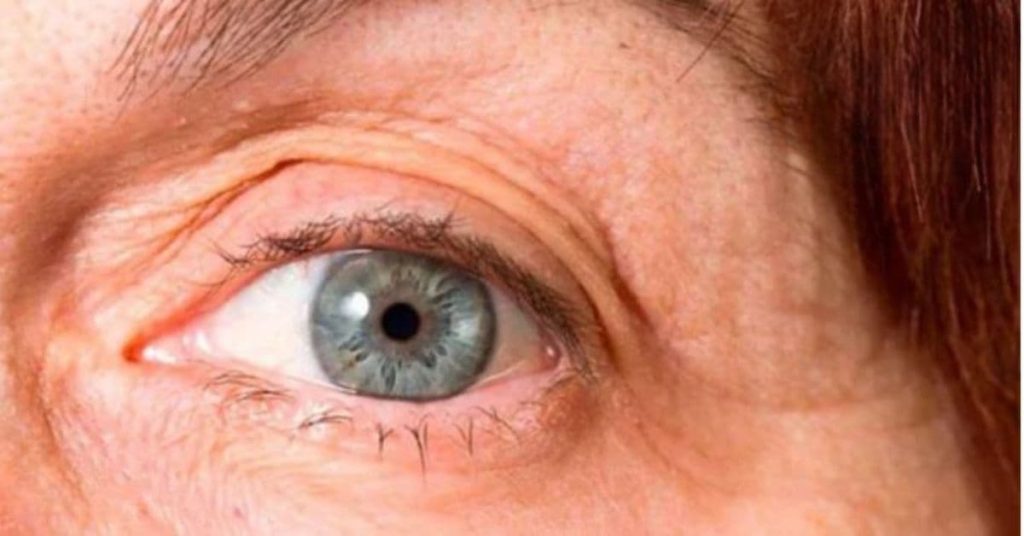
Spending time outdoors, reducing excessive visual strain, and attending regular eye examinations are among the most widely recommended steps for maintaining visual health throughout life.
What Is Considered Good Vision
Visual acuity depends on how accurately the eye focuses light onto the retina. In a healthy visual system, light rays are refracted in such a way that the image forms precisely on the central part of the retina. This allows objects to appear clear and sharp.
When the focusing process shifts either in front of or behind the retina, refractive anomalies occur. These changes may affect how clearly a person sees near or distant objects. Vision quality is typically assessed using standardized eye charts with symbols of varying sizes viewed from a fixed distance.
Vision is generally considered normal when a person can clearly see the tenth line of such a chart from five meters away with each eye. In this case, visual acuity is measured as 1.0.
The Role of Refraction and Accommodation
Two key mechanisms determine how clearly we see. Refraction refers to the eye’s ability to bend light rays, which is measured in diopters. Accommodation, on the other hand, is the eye’s natural ability to adjust focus between objects at different distances.
Accommodation allows a person to switch focus smoothly from far to near objects. This process is closely linked to refraction, as closer objects require stronger light bending. Over time, the flexibility of this system changes, which explains many age-related vision shifts.
Vision Development in Early Childhood
At birth, a child’s visual system is still developing. Newborns primarily respond to light and are unable to distinguish shapes, colors, or fine details. By the age of two to three months, infants begin to recognize outlines and movement.
At this stage, mild farsightedness is common due to the small size of the eye. This condition is often considered part of normal development and usually improves as the eye grows.
Vision Changes During Childhood and Adolescence
The optical system of the eye remains unstable throughout childhood and early adolescence. Until around the age of fourteen, refractive changes may appear as the eyes continue to develop.
One of the most common vision changes during this period is myopia, also known as nearsightedness. It often begins during school years and may progress between the ages of six and fifteen. Genetic predisposition plays a significant role, but environmental factors also contribute.
Increased visual load from reading, screen use, and poor lighting can influence the progression of myopia. Reduced physical activity and limited time spent outdoors may further affect visual development.
Children are not always aware that their vision has changed. Parents should pay attention to behavioral signs such as holding books very close, frequent headaches, eye fatigue, or a decline in academic performance.
Early consultation with an ophthalmologist allows timely vision correction through glasses or contact lenses. In many cases, myopia progression slows by the mid-teen years and stabilizes between the ages of twenty and twenty-two.
Vision in Early Adulthood
Between the ages of twenty and forty, most individuals are able to see clearly at near, intermediate, and far distances. The natural focusing ability of the eyes is usually well preserved during this period.
However, many adults still require glasses or contact lenses. This may be due to uncorrected vision issues from adolescence, hereditary factors, or medical conditions affecting eye health. Prolonged visual strain, especially during study or office work, can also impact comfort and clarity.
Maintaining balanced visual habits during this stage is important for long-term eye health.
Age-Related Changes After Forty
As people enter their forties, the eye’s ability to accommodate gradually decreases. This condition, known as presbyopia, makes it more difficult to focus on close objects. Reading small text may become challenging, especially in low light.
Presbyopia is a natural part of aging and affects nearly everyone to some degree. It does not indicate disease, but rather a gradual loss of lens flexibility. Corrective lenses are commonly used to manage this change.
When Vision Changes Require Attention
While many vision changes are normal, certain symptoms should prompt an ophthalmological examination. Persistent blurriness, eye pain, sudden vision loss, or frequent headaches may indicate underlying issues.
Regular preventive check-ups help detect conditions early, even before symptoms appear. Early diagnosis often allows for more effective management and better long-term outcomes.
Can Age-Related Vision Changes Be Corrected
Some vision changes can be corrected, while others can be managed. Glasses, contact lenses, and in some cases surgical procedures help compensate for refractive errors. Lifestyle adjustments such as reducing screen time, improving lighting, and taking regular visual breaks also play an important role.
While aging cannot be stopped, proactive eye care helps preserve visual comfort and clarity for as long as possible.
The Importance of Preventive Eye Care
Preventive eye examinations are essential at every stage of life. They allow professionals to monitor vision changes, assess eye health, and recommend appropriate interventions.
Outdoor activity, balanced nutrition, and visual hygiene contribute to maintaining healthy eyes, but they do not replace professional care.
Final Thoughts
Vision changes are a natural part of life. Understanding what is normal and when to seek help allows people to respond with confidence rather than concern. With timely care, healthy habits, and regular check-ups, most individuals can maintain good visual function well into older age.
Clear vision is not only about seeing well today, but about protecting sight for the future.
Vau.ge – Your Daily Guide for Practical Advice!
Vau.ge is a place where caring for your health, beauty, and daily routines becomes a natural, accessible, and enjoyable experience. Our main goal is to provide you with reliable information about natural remedies, homemade recipes, and practical tips that help you live a healthier life, look better, and simplify your everyday tasks without unnecessary expenses.
Our tips are easy to incorporate into your everyday life — whether it’s skincare, haircare, health-boosting remedies, or small tricks to save time. This knowledge will not only improve your own life but also allow you to share the experience with others, giving more people the chance to live a balanced life naturally and economically.
Please note: The articles on our website are for informational purposes only and do not replace professional medical advice. If you have serious health concerns, please consult a qualified specialist.