









Understanding Why Varicose Veins Develop
Varicose veins are a common concern affecting millions of people worldwide. Although often viewed as a cosmetic issue, they can also create discomfort, swelling, and complications if left unaddressed. The primary reason varicose veins develop is weakness in the connective tissue that supports the veins. As we age, the vessel walls can lose elasticity, making it harder for blood to return to the heart against gravity.
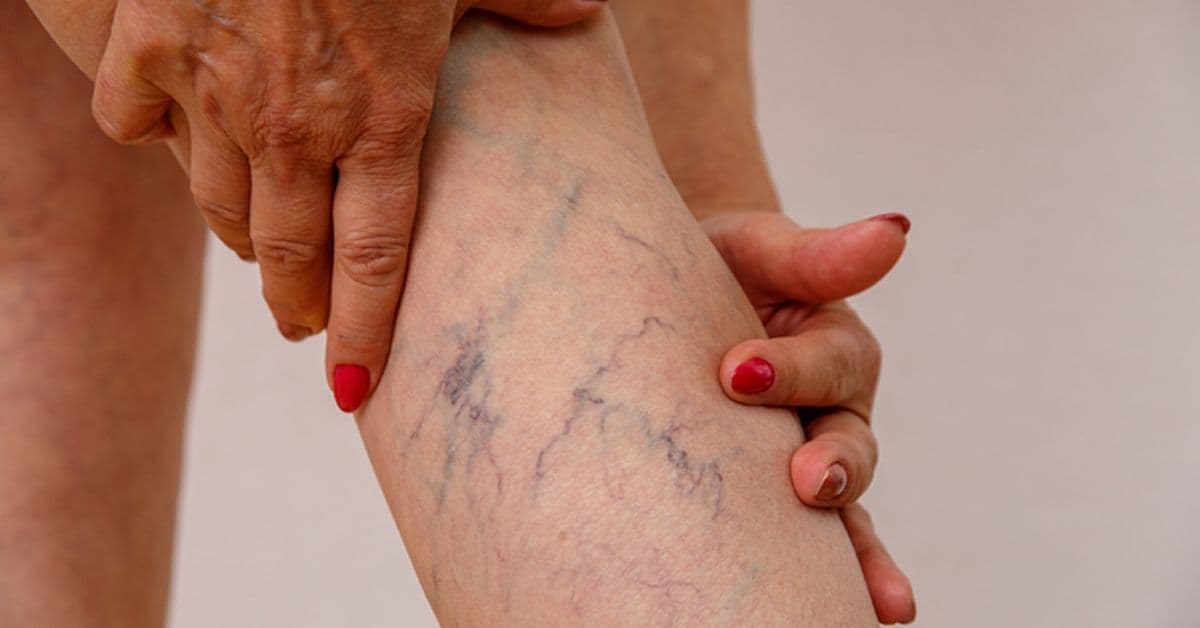
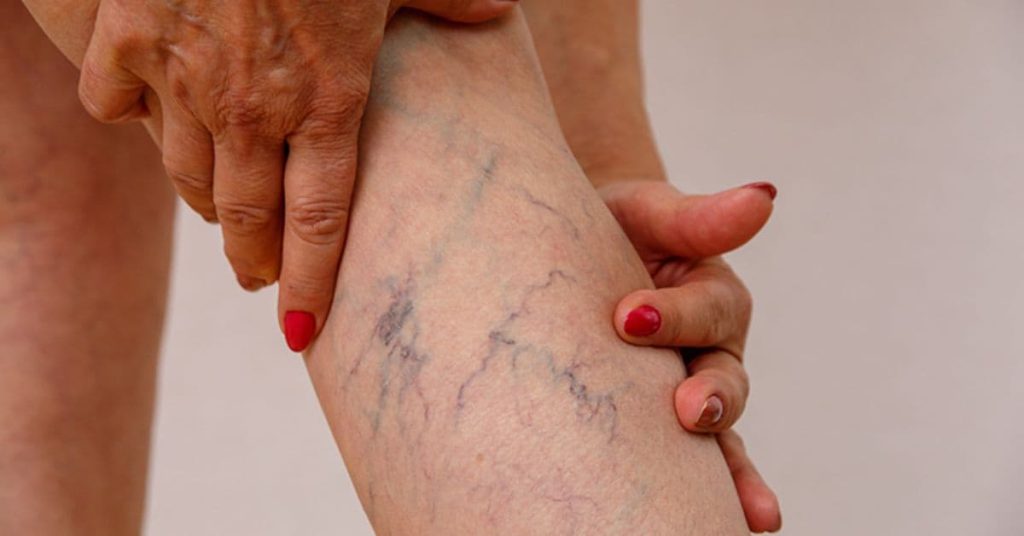
This is especially true for the veins in the legs. Every time we stand or walk, the blood in our lower body works against gravitational pull. If the vein walls weaken, blood may begin to pool in certain areas. Over time, the affected veins stretch, becoming visible under the skin in the form of blue or purple lines — what we commonly call varicose veins.
Preventing this process is crucial, particularly because untreated varicose veins can lead to more serious symptoms, such as persistent swelling, skin irritation, local pain, and in advanced cases, blood clots or ulcers. Fortunately, prevention is possible, and small lifestyle adjustments can create noticeable improvements.
Who Is More Likely to Develop Varicose Veins?
Certain groups are at a higher risk. Genetics plays a major role — if your parents or grandparents had varicose veins, you may inherit similar tendencies. However, other factors also contribute:
Gender
Women are statistically more likely to experience varicose veins than men. Hormonal changes throughout life affect the connective tissues and can weaken the blood vessels over time.
Pregnancy
During pregnancy, the hormone progesterone increases, relaxing muscles and connective tissue. This helps prepare the body for childbirth but also affects the veins.
Sedentary Lifestyle
Jobs that require long periods of standing — teachers, hairdressers, medical personnel — increase the pressure placed on the veins. Similarly, office work that involves sitting for hours can reduce blood flow to the legs.
Excess Weight
Carrying additional weight puts continuous pressure on the veins and can accelerate their enlargement.
Aging
With age, connective tissue naturally loses firmness. This is why older adults often experience more pronounced vein-related symptoms.
Recognizing these factors allows you to take early, preventive measures.
Why Prevention Matters
Preventing varicose veins is easier than treating them. Once veins become significantly enlarged, removing them completely is difficult without medical intervention. Even though modern treatments are successful, early prevention helps avoid complications and discomfort. Prevention also contributes to overall leg health, mobility, and energy levels.
Daily Movement Is Key
If you want to reduce the risk of varicose veins, one crucial rule applies: keep moving. Regular exercise strengthens the calf muscles, which act as a natural pump that helps push blood upward. Gentle, consistent movement helps circulation considerably.
Some ideal activities include:
- Walking daily
- Cycling
- Swimming
- Light jogging
- Low-impact aerobics
Even 20–30 minutes of movement a day can create a noticeable difference.
Avoid Prolonged Sitting or Standing
Remaining in the same position restricts blood flow. If your job requires sitting, get up and move around every hour. If you stand for long periods, shift your weight occasionally, stretch your legs, and avoid locking your knees.
Little habits — even rotating your ankles under a desk — stimulate circulation.
Simple Exercises for Healthy Veins
You don’t need gym equipment to strengthen the legs. These small exercises can be done anywhere:
While Sitting
- Lift your legs slightly and rotate your ankles inward and outward several times.
- Pull your feet toward you and then stretch them away repeatedly.
While Standing
- Rise onto your tiptoes and gently lower your heels. Repeat several times.
This movement activates the calf muscles — nature’s biggest support for your veins.
Repeating these exercises throughout the day makes a significant difference.
Choose Proper Footwear
High heels may be stylish, but wearing them frequently can contribute to vein problems. They alter natural walking patterns, reduce calf muscle engagement, and place unnecessary stress on the veins.
To support prevention:
- Wear flat or low-heeled shoes for everyday activities.
- Save high heels for special occasions.
- Walk barefoot on soft surfaces when possible — it naturally stimulates the feet and lower legs.
Maintain a Healthy Weight
Body weight directly affects the amount of pressure your legs endure. Carrying excess weight increases the likelihood of circulation issues and vein enlargement. Following a balanced diet, staying active, and practicing mindful eating can help preserve vascular health.
Support Your Body With Strong Connective Tissue
Connective tissue strength can improve with the right habits:
- Adequate hydration keeps tissues firm and resilient.
- Foods rich in vitamin C support natural collagen.
- Regular movement stimulates vascular elasticity.
By supporting the body internally, you assist the veins externally.
The Role of Age
As we grow older, connective tissues lose density and elasticity. It’s a natural process. By implementing prevention early, you can slow down this progression and preserve mobility and comfort.
Professional Medical Guidance
Although prevention helps, varicose veins cannot always be stopped entirely. If you begin noticing symptoms such as:
- persistent swelling,
- localized pain,
- visible bulging veins,
- skin discoloration,
it is important to consult a vein specialist. Early evaluation makes treatment easier and more effective, reducing the risk of advanced complications.
Enjoying Life With Healthy Veins
Healthy veins support your energy, comfort, and mobility. By choosing supportive footwear, maintaining an active lifestyle, keeping body weight balanced, and avoiding long periods of inactivity, you can protect your vascular system for years to come.
Preventing varicose veins isn’t about drastic changes — it’s about simple, consistent habits that fit into everyday life. Small decisions, like taking the stairs or doing ankle rotations while sitting, accumulate and create profound results.
With awareness, movement, and care, you can support your leg health and stay confident, mobile, and comfortable — now and in the future.
Vau.ge – Your Daily Guide for Practical Advice!
Vau.ge is a place where caring for your health, beauty, and daily routines becomes a natural, accessible, and enjoyable experience. Our main goal is to provide you with reliable information about natural remedies, homemade recipes, and practical tips that help you live a healthier life, look better, and simplify your everyday tasks without unnecessary expenses.
Our tips are easy to incorporate into your everyday life — whether it’s skincare, haircare, health-boosting remedies, or small tricks to save time. This knowledge will not only improve your own life but also allow you to share the experience with others, giving more people the chance to live a balanced life naturally and economically.
Please note: The articles on our website are for informational purposes only and do not replace professional medical advice. If you have serious health concerns, please consult a qualified specialist.