










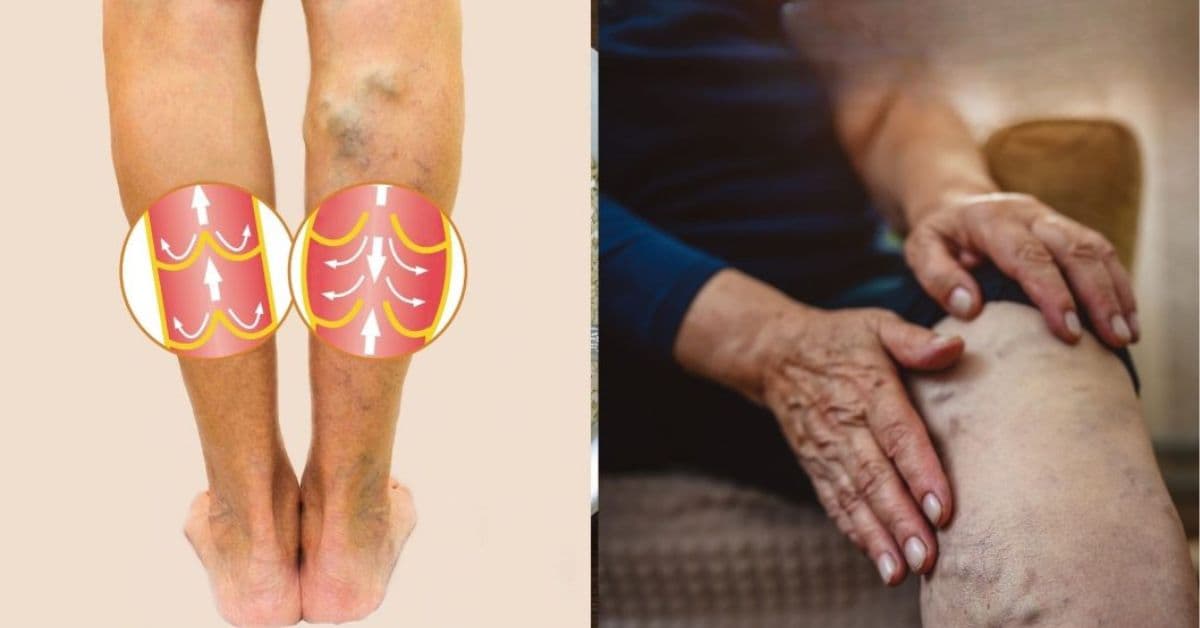
Varicose veins are a common problem that affects millions of people worldwide. These unwelcome changes in the blood vessels can lead to discomfort, pain, and even more serious complications if left untreated. Many people inherit a predisposition for varicose veins, as the condition often runs in families. However, regardless of your genetic background, there are several practical steps you can take to significantly reduce your risk and keep your legs healthy.
Understanding the Causes of Varicose Veins
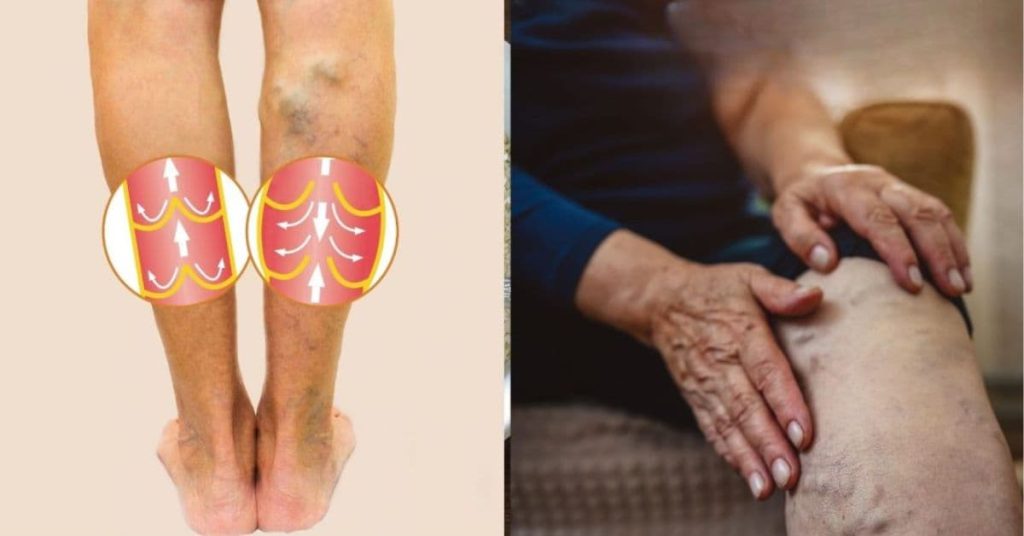
In most cases, varicose veins are caused by a congenital weakness in the connective tissue. This means that the walls of the veins gradually wear out over the course of a lifetime. The legs are particularly vulnerable because blood in the leg veins must flow upward, against gravity, back toward the heart. If the vein walls become too elastic, blood starts to pool in certain areas, causing the veins to enlarge and become varicose.
Prevention is especially important because, in advanced stages, varicose veins can lead to serious complications: local pain, swelling, the formation of dangerous blood clots, and even ulcers. That’s why it’s so important to take action early.
Risk Groups and Preventive Measures
Some people are more prone to developing varicose veins. Studies show that the weakness of connective tissue and veins tends to increase within families, pointing to a genetic predisposition. But besides genetics, other risk factors play an important role:
- Women are more likely than men to develop varicose veins.
- Pregnancy increases risk due to hormonal changes. The hormone progesterone, which prepares the body for childbirth, also relaxes the muscles and connective tissue, affecting vein health.
- Jobs that require long periods of sitting or standing increase the risk of blood pooling in the veins of the legs.
- Being overweight puts additional pressure on the veins, which can cause them to stretch and eventually develop into varicose veins. Keeping a healthy weight is therefore important.
- Age is another factor. As we get older, connective tissue becomes looser, so older adults are at greater risk than younger people.
Practical Steps to Prevent Varicose Veins
The good news is that with a few simple lifestyle changes, you can significantly reduce your risk of developing varicose veins or slow their progression:
1. Movement is Essential – Above all, regular movement is the key to healthy veins. Physical activity strengthens the connective tissue and encourages good blood circulation. If you want to avoid varicose veins, make exercise a part of your daily routine. Walking, swimming, cycling, and even gentle stretching all help stimulate the venous system.
2. Avoid Prolonged Sitting or Standing – Try to avoid standing or sitting in one position for long periods of time. If your work requires you to be at a desk or on your feet for hours, make sure to take regular breaks. Stretch your legs, walk around, or simply change your position. If you must sit, raise your legs from time to time and rotate your ankles to keep the blood flowing.
Exercises you can do at work:
- While sitting: Raise your feet and rotate your ankles inward and outward, or pull your feet up toward you several times.
- While standing: Rise up onto your toes and then lower your heels several times in a row.
3. Choose the Right Footwear – High-heeled shoes can significantly increase your risk of developing varicose veins because they prevent your calf muscles from pumping blood effectively. Reserve high heels for special occasions and wear flat, comfortable shoes for everyday activities. Walking barefoot on soft surfaces is also an excellent exercise for your feet and legs.
4. Watch Your Weight – Maintaining a healthy body weight is important for reducing pressure on your veins. If you are overweight, even losing a few kilograms can significantly improve your venous health and overall well-being.
5. Elevate Your Legs – Whenever possible, elevate your legs above the level of your heart. This encourages blood flow back to the heart and reduces the pressure in your leg veins. Resting with your legs elevated for even a few minutes a day can make a noticeable difference over time.
6. Stay Hydrated and Eat a Balanced Diet – Proper hydration helps maintain the elasticity of blood vessels and prevents blood from thickening. Eating a balanced diet rich in fiber, vitamins, and minerals also supports healthy veins and connective tissue.
7. Be Mindful During Pregnancy – If you are pregnant, be extra careful to support your vein health. Talk to your doctor about safe exercises and compression stockings if needed, and avoid excessive weight gain.
When to See a Specialist
While these methods can help prevent or slow the development of varicose veins, it is important to remember that once the condition has developed, it cannot be completely reversed with lifestyle changes alone. Early intervention is critical. If you notice signs of varicose veins—such as swelling, pain, heaviness, or visible bulging veins—schedule a consultation with a vein specialist. Early treatment is often simpler and more effective, and can prevent complications down the line.
In Summary
Although a genetic tendency for varicose veins cannot be changed, you can take many steps to support your vein health and prevent problems from arising or getting worse. Regular movement, sensible footwear, healthy weight management, and simple at-home exercises all make a significant difference. Prevention is always better than cure—so start today and keep your legs healthy and strong for years to come!
Vau.ge – Your Daily Guide for Practical Advice!
Vau.ge is a place where caring for your health, beauty, and daily routines becomes a natural, accessible, and enjoyable experience. Our main goal is to provide you with reliable information about natural remedies, homemade recipes, and practical tips that help you live a healthier life, look better, and simplify your everyday tasks without unnecessary expenses.
Our tips are easy to incorporate into your everyday life — whether it’s skincare, haircare, health-boosting remedies, or small tricks to save time. This knowledge will not only improve your own life but also allow you to share the experience with others, giving more people the chance to live a balanced life naturally and economically.
Please note: The articles on our website are for informational purposes only and do not replace professional medical advice. If you have serious health concerns, please consult a qualified specialist.