










How to Identify Imported Garlic and Understand the Differences
Garlic is one of the most widely used natural products in kitchens across the world. It is valued not only for its strong flavor and aroma, but also for its long history in traditional diets and culinary practices. Despite being such a common ingredient, many consumers rarely question where their garlic comes from or whether its origin influences its characteristics.
In today’s global food market, a significant percentage of garlic sold in supermarkets is imported. International trade allows retailers to supply garlic throughout the year, regardless of local harvesting seasons. However, imported garlic may sometimes display noticeable differences compared to locally grown varieties. These differences often raise curiosity among buyers and lead to discussions about freshness, handling, and quality.
Understanding how garlic is produced, stored, and transported can help consumers make informed choices without relying on assumptions or myths.
Why Is Garlic Frequently Imported?
Garlic is cultivated on a large scale in multiple regions around the world. Some countries specialize in high-volume agricultural production, exporting garlic to global markets. This ensures a stable supply for retailers and competitive pricing for consumers.
Imported garlic often travels long distances before reaching store shelves. During this process, producers and distributors use standardized storage and preservation techniques designed to maintain the product’s appearance and prevent spoilage. These procedures are regulated by food safety authorities and are part of modern agricultural logistics.
The presence of imported garlic in stores is therefore not unusual — it is a normal feature of global food distribution systems.
Handling and Preservation During Transport
Fresh produce, including garlic, requires careful handling during transportation. Various protective measures may be applied to extend shelf life and reduce losses. These may include:
- Controlled temperature storage
- Sprout-prevention techniques
- Pest control measures
- Protective packaging and ventilation
Such practices are subject to regulatory oversight and safety standards. While consumers may not see these processes directly, they are essential for moving agricultural products across borders efficiently.
It is important to note that different producers and regions may use different post-harvest handling methods. This can influence the final appearance and texture of garlic bulbs.
Does Origin Affect Garlic’s Flavor?
Garlic characteristics are influenced by multiple natural factors, including:
- Soil composition
- Climate and growing conditions
- Garlic variety
- Harvest timing
- Storage duration
Locally grown garlic is often sold closer to its harvest period, which may result in a stronger aroma and a more pronounced taste. Garlic that has been stored for extended periods — whether local or imported — may develop a milder flavor profile. This is a natural process associated with time rather than a direct indicator of inferior quality.
Flavor intensity is therefore not determined solely by country of origin, but by freshness and handling conditions.
Visual Differences Buyers Commonly Notice
Consumers sometimes observe physical differences between garlic bulbs available at markets or stores. While appearance alone cannot definitively determine quality, certain characteristics are frequently mentioned.
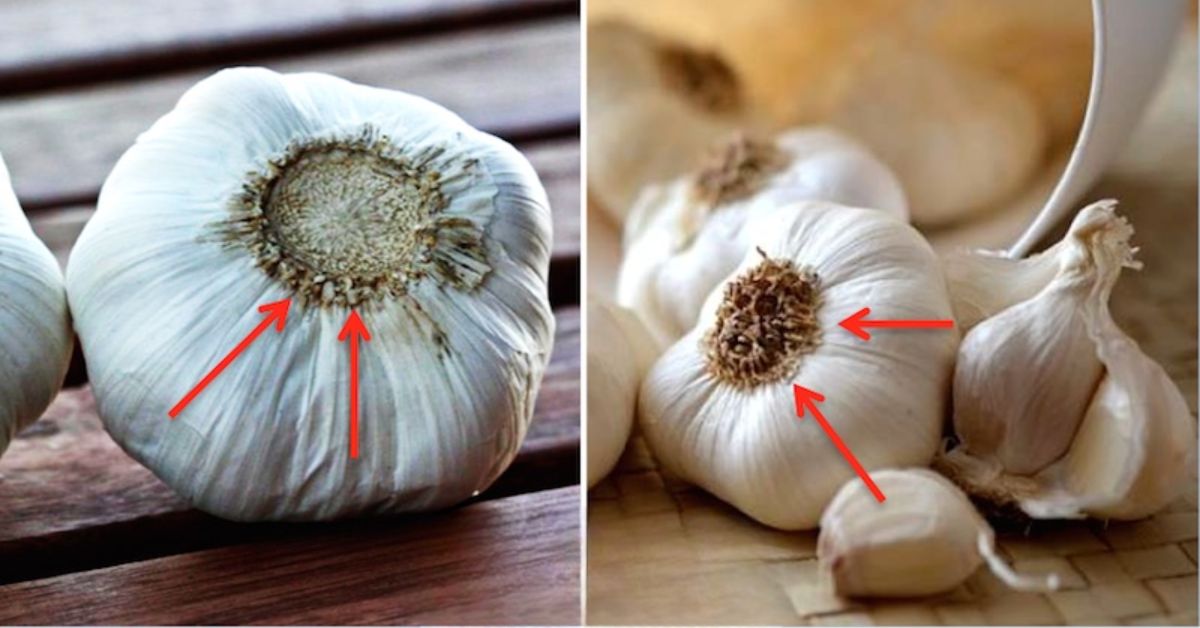
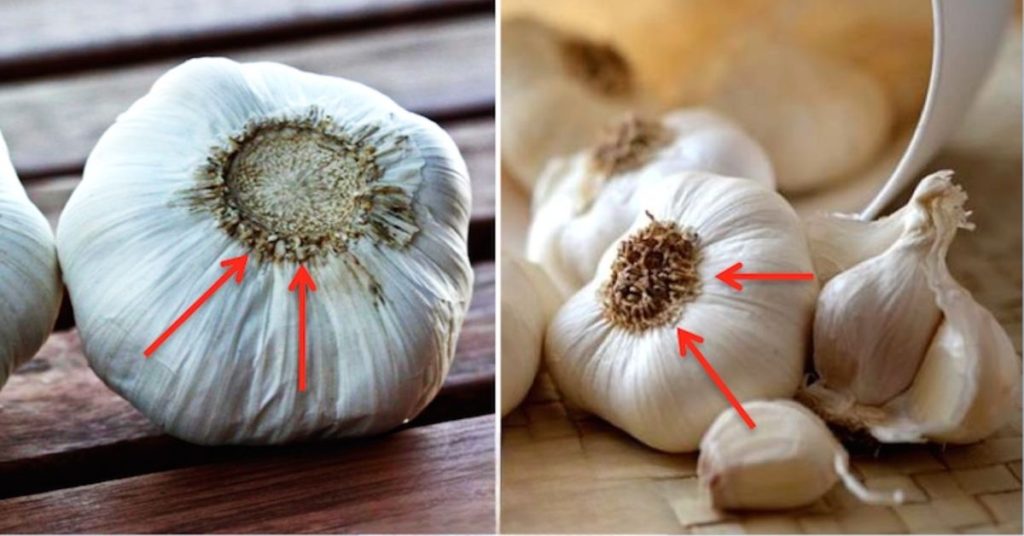
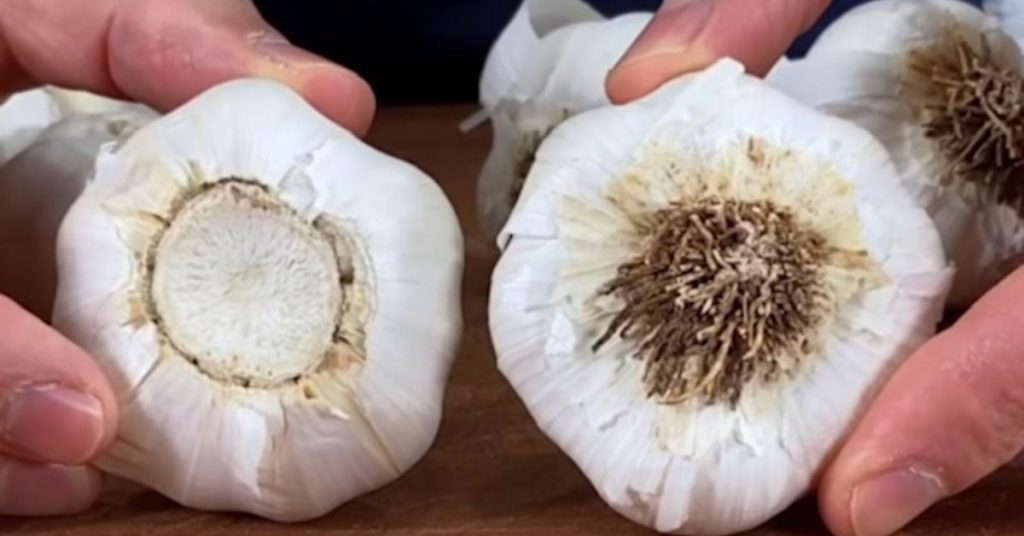
Locally Grown Garlic Often:
- Retains small root remnants at the base
- Feels dense and firm
- Has tightly packed cloves
- Produces a strong scent when cut
Imported Garlic Often:
- Has a smoother, cleaner base
- May feel lighter depending on storage
- Can have a subtler aroma
- Displays uniform outer skin
These differences may result from cleaning, trimming, storage, and transportation procedures. They do not automatically imply that one product is unsafe or that another is superior. Garlic varieties themselves naturally differ in size, density, and flavor.
Freshness and Aroma
Fresh garlic typically has a stronger and sharper aroma. Over time, naturally occurring compounds responsible for garlic’s scent and flavor gradually change. This is a normal characteristic of many fresh foods.
Longer storage periods may reduce pungency, making garlic taste milder. This does not necessarily mean that the garlic is spoiled; rather, it reflects natural aging processes. Buyers who prefer a bold flavor often seek recently harvested bulbs.
Weight, Density, and Texture
Garlic bulbs that feel firm and heavy relative to their size are often perceived as fresher. Density can vary due to moisture content and storage conditions. A lighter bulb is not automatically a sign of poor quality, but extremely soft or dehydrated bulbs are generally less desirable.
When selecting garlic, consumers may consider:
- Firmness of the bulb
- Absence of excessive softness
- Integrity of outer skin
- Natural scent
These practical checks aremore reliable than assumptions about origin alone.
Common Consumer Concerns
Discussions about imported garlic often include questions about agricultural practices and storage techniques. Modern food systems operate under regulatory frameworks intended to ensure consumer safety. Imported produce is typically subject to inspection, certification, and compliance requirements before entering retail markets.
Nevertheless, consumer preferences vary. Some buyers prioritize locally sourced products due to perceived freshness or support for local agriculture. Others choose based on price, availability, or convenience.
Both choices are common and valid in contemporary markets.
Making an Informed Purchasing Decision
Rather than relying on generalizations, consumers benefit from evaluating garlic based on observable quality indicators:
- Firmness and texture
- Aroma and freshness
- Physical condition of the bulb
- Personal taste preference
Garlic origin is just one factor among many that shape its characteristics.
Final Thoughts
Garlic remains a staple ingredient worldwide, regardless of its source. Differences between bulbs are influenced by natural variation, harvesting schedules, storage, and logistics. Understanding these factors helps consumers approach purchasing decisions with clarity rather than concern.
Selecting good garlic is ultimately a matter of freshness, handling, and individual preference.
FAQ Section (Discover + SEO Friendly)
- Is imported garlic safe to consume?
Imported garlic sold through legal retail channels is generally subject to national food safety regulations and inspections. Consumers should always purchase food products from reputable sources.
- Why does some garlic have a weaker smell?
Garlic aroma naturally changes over time. Storage duration, variety, and freshness all influence scent intensity.
- Does heavier garlic mean better quality?
Firm and dense bulbs are often associated with freshness, but garlic characteristics vary by variety. Soft or dehydrated bulbs are typically less desirable.
- Is locally grown garlic always stronger?
Not necessarily. Flavor depends on freshness, variety, and growing conditions rather than origin alone.
- How should garlic be stored at home?
Garlic is typically stored in a cool, dry, and well-ventilated place away from moisture and direct sunlight.
Vau.ge – Your Daily Guide for Practical Advice!
Vau.ge is a place where caring for your health, beauty, and daily routines becomes a natural, accessible, and enjoyable experience. Our main goal is to provide you with reliable information about natural remedies, homemade recipes, and practical tips that help you live a healthier life, look better, and simplify your everyday tasks without unnecessary expenses.
Our tips are easy to incorporate into your everyday life — whether it’s skincare, haircare, health-boosting remedies, or small tricks to save time. This knowledge will not only improve your own life but also allow you to share the experience with others, giving more people the chance to live a balanced life naturally and economically.
Please note: The articles on our website are for informational purposes only and do not replace professional medical advice. If you have serious health concerns, please consult a qualified specialist.