
















Spending more time outdoors and undergoing regular eye check-ups with an ophthalmologist are essential steps in maintaining good eye health throughout life.
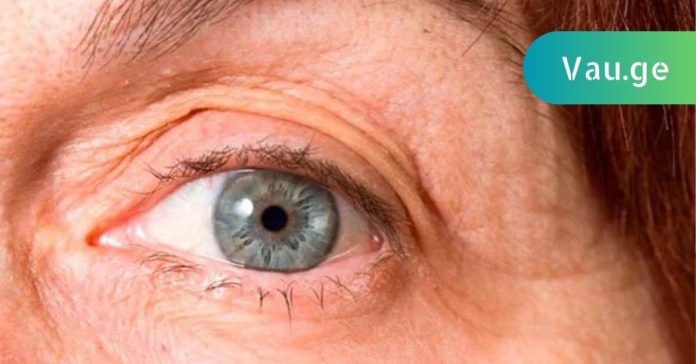
What Is Considered Normal Vision, and What Qualifies as Good Vision?
Visual acuity is determined by two key mechanisms:
- Refraction of the Eye – This is the eye’s ability to bend (or refract) light rays so that they focus precisely on the retina. Refraction is measured in diopters. Ideally, the entire optical system of the eye works in such a way that light rays are focused exactly at the center of the retina. If the focus falls in front of or behind the retina, this is referred to as a refractive error. Common refractive errors include:
- Myopia (nearsightedness) – Distant objects appear blurry.
- Hypermetropia (farsightedness) – Near objects appear blurry.
- Astigmatism – Blurred or distorted vision at all distances due to an irregularly shaped cornea or lens.
- Accommodation – This is the eye’s natural mechanism for adjusting focus between objects at different distances (near and far). Accommodation is closely related to refraction. The closer an object is, the more power is required to bend light correctly and bring it into sharp focus.
Visual acuity is usually tested using charts that contain optotypes – letters, numbers, or symbols of different sizes. The size of the symbols decreases with each subsequent line. The standard for good vision is the ability to clearly see the 10th line from a distance of 5 meters with each eye. A visual acuity score of 1.0 indicates normal (or “perfect”) vision.
How Vision Changes with Age
From birth, the human body undergoes continuous development, and the visual system is no exception. Early diagnosis and correction of eye conditions in children is crucial to ensure proper visual development. Below are key developmental periods where significant changes occur in the visual system:
Infancy
Newborns can only respond to light stimuli – they do not yet perceive shapes, colors, or objects clearly. By around 2 to 3 months of age, babies begin to detect object outlines and motion. At this age, most infants are diagnosed with hypermetropia (farsightedness) due to their small eyeball size.
Childhood
The optical system of a child is still developing and remains unstable until about age 14. During this period, refractive errors may emerge. The most common among these is myopia (nearsightedness), which typically begins developing between the ages of 6 and 15 – often starting when children begin school. Its progression can be influenced by both genetic and environmental factors.
External causes of myopia include:
- Increased visual load, especially in schoolchildren and adolescents;
- Poor lighting conditions at the study or work desk;
- Low levels of physical activity.
Often, children may not be able to recognize or express that they are experiencing vision problems. Parents should be alert to changes in behavior – for instance, if a child starts holding books very close to their face while reading, complains of frequent headaches, or shows a decline in academic performance.
To slow the progression of myopia, it is important to consult an ophthalmologist promptly and choose the correct method of vision correction – typically with glasses or rigid contact lenses.
Treatment should begin as soon as any anomaly in vision is detected. In many cases, myopia tends to slow its progression around age 15, and vision often stabilizes by the ages of 20 to 22.
If myopia is hereditary, it is more likely to continue progressing into adulthood. In such cases, it may be associated with other eye conditions, such as glaucoma, retinal pathologies, or other ocular diseases.
Ages 20 to 40
During this stage of life, people are generally expected to see well at all distances – near, far, and intermediate – since the eye’s natural focusing ability is still intact. However, many young adults in this age group already wear glasses or contact lenses. Several reasons may explain this:
- Uncorrected visual issues during adolescence that were never properly addressed;
- Hereditary factors – a family history of eye disorders;
- Medical conditions that affect the eyes, such as diabetes or autoimmune diseases;
- Environmental influences, particularly heavy visual load due to extended screen use, lack of breaks, and poor visual hygiene during work or study.
Summary
Vision changes naturally with age, beginning in infancy and continuing throughout life. While some changes are part of normal development or aging, others may indicate underlying problems that require medical attention. Regular visits to an ophthalmologist, maintaining a healthy lifestyle, and protecting your eyes from excessive strain can help preserve and, in some cases, improve vision at any age.