













Abdominal bloating is a problem that affects the majority of people at some point in their lives. It brings discomfort, heaviness, fullness, and sometimes even pain or embarrassment. The good news is that in many cases, bloating can be reduced by understanding what triggers it and by making a few simple lifestyle changes. This article will guide you through the most common causes of bloating and natural ways to support digestion.

What foods commonly cause bloating?
Before trying to solve the problem, it is important to know what might be causing it. Some foods are more likely to cause gas production in the intestines, especially if they are consumed in large quantities or if your digestive system is sensitive.
Dairy products
Milk, yogurt, and cheese can cause bloating in people who are lactose intolerant or sensitive to dairy. The body may not produce enough lactase — the enzyme needed to break down lactose — and this leads to gas and discomfort.
You do not need to completely eliminate dairy, but you may:
- reduce portion size
- use lactose-free options
- replace milk with coconut, almond, or soy milk
Broccoli, cabbage, asparagus, and some vegetables
Although these vegetables are very healthy, they can also be gas-forming. They contain fibers and natural sugars that are fermented in the intestines, causing bloating.
You can:
- eat smaller portions
- cook vegetables instead of eating them raw
- combine them with easily digestible foods
Beans and legumes
Beans, lentils, and peas are well known for causing gas. They contain complex sugars that are difficult for the body to digest.
A useful tip: soak beans in water before cooking. This helps reduce the amount of gas-producing substances.
Apples and pears
These fruits are rich in soluble fiber. While fiber is healthy, sensitive stomachs may experience bloating. You do not need to avoid apples or pears completely — simply eat them in moderate amounts and chew them well.
Chewing gum
When you chew gum, you swallow excess air without realizing it. This trapped air ends up in the digestive tract and causes bloating. Sugar substitutes in gum can also increase gas.
Salty foods
Foods high in sodium cause the body to retain water. This can make your stomach feel swollen or puffy. Reducing highly processed and salty foods may help.
Carbonated drinks
Sodas, sparkling water, and energy drinks contain gas bubbles. These gases accumulate in the digestive system and cause immediate bloating.
Sometimes just switching from carbonated drinks to still water makes a big difference.
What other factors cause bloating?
Bloating is not always only about food. It can also be linked to:
- chronic stress
- constipation
- lack of healthy gut bacteria
- irregular diet
- rapid eating
- hormonal changes
Managing stress, moving your body, and eating calmly can be just as important as changing what you eat.
Natural remedies that may help relieve bloating
Below are traditional remedies that many people find useful. They do not replace medical treatment if you have a serious condition, but they can support general digestive comfort.
Fennel
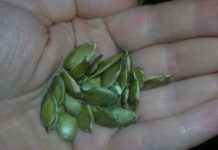
Fennel and fennel seeds have long been used to relieve gas and abdominal cramps. They help relax intestinal muscles and allow gas to pass more easily. Fennel tea after meals is a popular natural remedy for bloating.
Cumin seeds
Cumin supports digestion and may help increase “good” bacteria in the intestines. It also helps food move through the digestive tract, preventing gas accumulation.
Ginger
Ginger is widely known for its benefits. It supports digestion, reduces feelings of fullness, and may relieve gas and nausea. Ginger tea or small slices added to water can be soothing for the stomach.
Pineapple
Pineapple contains bromelain, an enzyme that helps the body break down proteins more efficiently. This can support digestion and reduce the risk of gas buildup after meals.
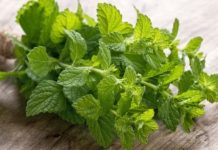
Peppermint tea
Peppermint tea relaxes the muscles of the digestive tract and is often used for irritable bowel syndrome (IBS) symptoms. It helps relieve cramps, gas, and bloating.
Chamomile tea
Chamomile has calming, anti-spasmodic, and mild anti-inflammatory properties. It is sometimes used when diarrhea or cramping occurs, especially in children. A warm cup of chamomile tea before sleep can be very soothing.
Papaya
Papaya contains papain, a natural enzyme that supports digestion and helps prevent gas accumulation. Eating fresh papaya or drinking papaya smoothies may be helpful for some people.
Parsley
Parsley is beneficial for the digestive system and has mild diuretic properties, which may help with water retention and bloating.
Apple cider vinegar and lemon
Both are popular home remedies for digestive discomfort.
How to use:
- mix 1–2 teaspoons of apple cider vinegar in a glass of water and drink
- or add the juice of half a lemon to warm water
These drinks may stimulate digestion before meals. If you have stomach ulcers or reflux, consult a doctor first.
A gentle one-day digestive reset
Sometimes it helps to “rest” the intestines for one day. You may choose to:
- eat only boiled rice
- drink herbal teas such as mint, chamomile, or fennel
- avoid heavy, fried, and sugary foods
After this, it is important to gradually return to a balanced diet while avoiding foods that trigger gas formation such as pastries, sweets, milk, raw fruits and vegetables, and legumes.
If dairy is problematic, fermented dairy products like cheese, kefir, and yogurt may be better tolerated.
Which foods are usually well tolerated?
For many people with sensitivity, easier-to-digest options include:
- chicken, turkey, and veal
- boiled rice and some grains
- cooked vegetables instead of raw ones
Spices that may positively support digestion include:
- ginger
- cumin
- dill
- parsley
- caraway
- cardamom
When to see a doctor
While bloating is usually harmless, seek medical advice if you also experience:
- severe or persistent pain
- unexplained weight loss
- blood in the stool
- frequent vomiting
- fever
- symptoms lasting longer than a few weeks
Medical treatment may include enzyme supplements or, if an infection is suspected, antibiotics. Over-the-counter remedies such as activated charcoal or simethicone are also commonly used, but it is best to follow professional advice.
Final thoughts
Bloating is uncomfortable but often manageable. Understanding which foods and habits trigger your symptoms is the key step toward relief. By combining mindful eating, stress control, herbal teas, and medical guidance when needed, many people successfully reduce abdominal bloating and improve their daily comfort.
Listen to your body, give your digestive system gentle care, and remember that small daily habits often make the biggest difference.
Vau.ge – Your Daily Guide for Practical Advice!
Vau.ge is a place where caring for your health, beauty, and daily routines becomes a natural, accessible, and enjoyable experience. Our main goal is to provide you with reliable information about natural remedies, homemade recipes, and practical tips that help you live a healthier life, look better, and simplify your everyday tasks without unnecessary expenses.
Our tips are easy to incorporate into your everyday life — whether it’s skincare, haircare, health-boosting remedies, or small tricks to save time. This knowledge will not only improve your own life but also allow you to share the experience with others, giving more people the chance to live a balanced life naturally and economically.
Please note: The articles on our website are for informational purposes only and do not replace professional medical advice. If you have serious health concerns, please consult a qualified specialist.