









Heartburn is one of the most common digestive complaints and almost everyone has experienced it at least once in their life. It is usually felt as a burning sensation behind the breastbone or in the upper abdomen. The discomfort may rise into the throat, be accompanied by a sour taste in the mouth, and often becomes worse after eating, bending over, or lying down. For some people, it appears occasionally; for others, it becomes an annoying and persistent companion.

While many people immediately reach for antacid tablets or syrups, there is also a long and rich tradition of folk remedies that aim to soothe heartburn naturally. These remedies have been passed down through generations and rely on simple household ingredients such as herbs, seeds, roots, and fresh vegetables. The recipes below come from folk practice and are especially popular for supporting digestion and calming burning sensations associated with heartburn.
The goal of folk medicine has always been the same: to help the body restore balance gently and naturally.
Flaxseed Infusion for Nighttime Heartburn
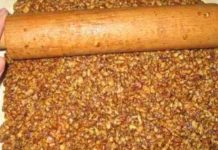
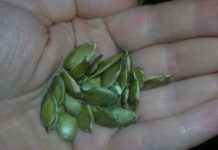
Flaxseed is highly valued in folk medicine because of its mucilage — a gel-like substance that forms when flaxseed comes into contact with water. This coating is believed to protect the stomach and esophagus.
Preparation:
Pour half a glass of boiling water over two tablespoons of flaxseeds. Leave it covered for 2–3 hours, then strain.
Usage:
Drink the warm infusion at bedtime, especially if heartburn mainly develops at night.
Benefit:This recipe is considered particularly useful in cases of increased gastric secretion, as flaxseed helps soothe the mucous membrane and reduces irritation caused by excess acid.
Herbal Infusion for Increased Stomach Acid Secretion
When heartburn is caused by high stomach acidity, folk healers often recommend the following herbal combination.
Ingredients:
Mix equal parts of yarrow, pharmacy chamomile, St. John’s wort, and licorice root.
Preparation:
Pour one glass of boiling water over 10 grams (about one tablespoon) of the mixture. Leave it in a covered container for 2–3 hours and then strain.
Usage:
Drink one glass of the warm infusion 2–3 times a day, about 30 minutes before meals.
Duration of treatment:
The course typically lasts 2–4 weeks.
This infusion is traditionally used to calm inflammation, reduce excessive acid secretion, and promote healing of the irritated stomach lining.
Herbal Infusion for Reduced Stomach Acid Secretion
Heartburn is not always the result of too much acid. Sometimes the stomach produces too little acid, which also disrupts digestion and causes discomfort. In such cases, stimulating herbs are used.
Ingredients:
- 1 part yarrow
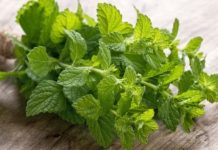
- 4 parts lemon balm
- 3 parts plantain
- 2 parts fresh nettle
- 2 parts St. John’s wort
Preparation:
Pour two-thirds of a glass of water over one tablespoon of the mixture and bring it to a boil. Leave it covered for 2–3 hours and then strain.
Usage:
Take two tablespoons of the infusion four times a day, 15–20 minutes before meals.
Indications:
This recipe is traditionally recommended for gastritis with low acidity, as it gently stimulates digestive secretions and reduces feelings of heaviness after meals.
Infusion of Calamus Root
Calamus root has been used in traditional medicine for centuries to relieve digestive complaints such as heartburn, abdominal bloating, and excessive gas.
Preparation:
Mix one teaspoon of crushed calamus root with four tablespoons of powdered lemon balm. Dilute one teaspoon of the mixture in one-third of a glass of warm water.
Usage:
Drink the mixture three times a day, 15–20 minutes before meals.
This remedy is believed to support digestion, relieve meteorism, and ease burning sensations in the upper abdomen.
Fresh Potato Juice
One of the simplest and most accessible folk remedies is fresh raw potato juice.
Usage:
Drink freshly squeezed potato juice three to four times a day, 15–20 minutes before meals.
Duration of course:
The usual course lasts 2–3 weeks.
Many people use potato juice for chronic gastritis accompanied by heartburn, as it is believed to neutralize excess acid and soothe irritated tissues. It is popular because it is inexpensive, natural, and easy to prepare at home.
Licorice Root Decoction for High Acidity
Licorice root is one of the classic plants used in folk remedies for digestive problems.
Preparation:
Mix 10 grams of crushed licorice root with powdered orange peel. Pour two glasses of boiling water over the mixture and boil it until half of the liquid evaporates. Then add 60 grams of honey.
Usage:
Drink the decoction in three portions, 10–15 minutes before meals.
Duration:
The traditional course lasts one month.
This remedy is especially recommended for high stomach acidity, helping relieve burning sensations and supporting the healing of stomach mucosa.
When to see a doctor
Folk remedies can be helpful, but heartburn may sometimes indicate a more serious condition, such as:
- peptic ulcer disease
- reflux esophagitis (GERD)
- gastritis
- hiatal hernia
Seek medical help if heartburn is accompanied by:
- vomiting or blood
- weight loss
- persistent chest pain
- difficulty swallowing
- nighttime choking or severe cough
Vau.ge – Your Daily Guide for Practical Advice!
Vau.ge is a place where caring for your health, beauty, and daily routines becomes a natural, accessible, and enjoyable experience. Our main goal is to provide you with reliable information about natural remedies, homemade recipes, and practical tips that help you live a healthier life, look better, and simplify your everyday tasks without unnecessary expenses.
Our tips are easy to incorporate into your everyday life — whether it’s skincare, haircare, health-boosting remedies, or small tricks to save time. This knowledge will not only improve your own life but also allow you to share the experience with others, giving more people the chance to live a balanced life naturally and economically.
Please note: The articles on our website are for informational purposes only and do not replace professional medical advice. If you have serious health concerns, please consult a qualified specialist.