







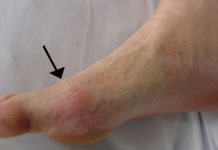







Hand swelling warning signs are often dismissed as “nothing.” A ring feels tighter, fingers look puffy in the morning, or a small patch of discoloration appears and you assume it will disappear. And most of the time, it does disappear. But here’s the uncomfortable truth: the hands can sometimes reveal clues about what’s happening deeper inside the body—especially when changes are persistent, unexplained, or gradually worsening.
Let’s be clear from the start: no symptom on the hands can “prove” cancer or any other serious disease on its own. Online headlines often oversimplify complex medical topics, and that creates fear. What matters is a smarter, safer approach—knowing what to watch for, understanding common (and less common) explanations, and recognizing when professional evaluation is a good idea.
This article is designed to be practical, calm, and useful—without panic and without false promises.
Why Hands Can Show Early Clues
Your hands are packed with blood vessels, nerves, connective tissue, and skin that constantly reacts to internal and external influences. That’s why hands can reflect everyday things like temperature, salt intake, sleep position, allergies, or overuse. But the same sensitivity can also make hands a place where certain health issues first become noticeable.
Swelling, spots, or skin changes are not “diagnoses.” They are signals—sometimes harmless, sometimes worth checking.
The Two Changes That Deserve the Most Attention
If people remember only one thing from this article, it’s this: doctors typically become more interested when symptoms are persistent and unexplained.
1) Persistent swelling (puffiness that doesn’t clearly resolve)
Swelling can be temporary. Hot weather, salty food, dehydration, hormonal changes, or prolonged sitting can all contribute. But swelling is more concerning when it is new, unexplained, and continues without improvement.
What doctors often look at is the pattern:
- Does it come and go—or is it staying?
- Is it worse in the morning or evening?
- Is it one hand only?
- Is there pain, warmth, redness, or stiffness?
Swelling plus pain or warmth may suggest inflammation or infection. Swelling that appears suddenly in one limb, especially with color change or pain, can sometimes indicate circulation-related concerns and should be assessed promptly.
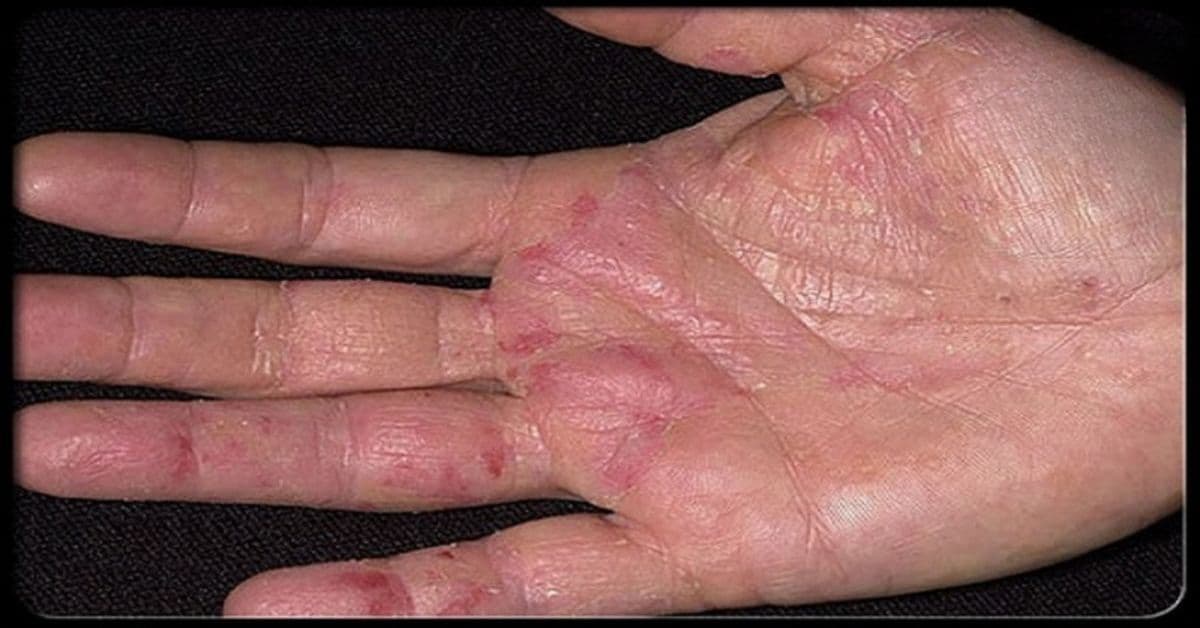
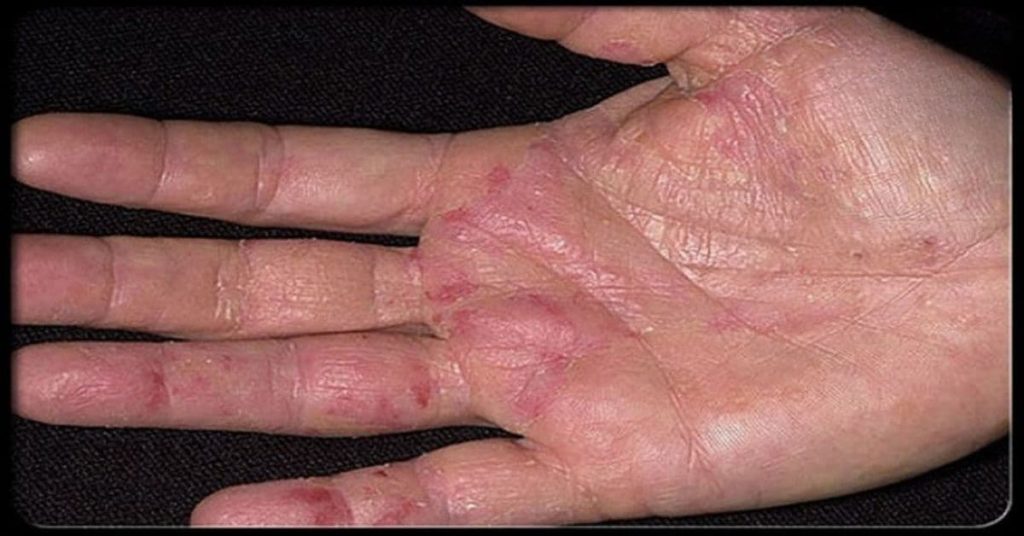
2) Unusual spots or skin changes that persist
Skin on the hands can change for many reasons: irritation, eczema, contact allergies, sun exposure, fungal infections, or even frequent handwashing products. Still, a “spot” becomes more important when it changes over time rather than healing.
Doctors usually suggest paying attention to:
- Spots that don’t fade
- Patches that grow or change color
- Areas that repeatedly crack or bleed
- New changes that look unusual compared to your normal skin
Again, these signs are not proof of anything severe. But they’re often good reasons to get a proper evaluation—especially if the change persists for weeks.
Common Reasons People Notice Swelling or Spots
Most causes are not dramatic—and that’s good news. The goal is not fear, it’s clarity.
Swelling can be linked to fluid retention, inflammation, repetitive strain, minor injuries, and even sleep posture (for example, bending the wrist or elbow for long periods). Skin changes can be linked to allergies, irritants, infections, sun damage, or chronic dryness.
But there’s a key point: when symptoms persist, doctors may consider a wider range of possibilities. That can include autoimmune conditions, nerve compression, vascular issues, metabolic problems, or other systemic conditions. Sometimes the hands are simply where the body “shows” a problem first, even if the cause is elsewhere.
What Makes a Symptom “Worth Checking” (Without Panic)
Here is the simplest way to think about it: the more unusual, persistent, and combined a symptom is, the more it deserves attention.
If you notice swelling or spots, the safest question is not “Is this cancer?” but:
“Is this new for me, and is it not going away?”
If yes, a medical professional can evaluate it properly. That might include a physical exam, questions about timing and triggers, and—only if needed—basic tests.
What to Do If You Notice These Changes
The smartest step is not self-diagnosis. It’s observation and documentation. Many doctors will ask: when did it start, what makes it better/worse, is it changing, and are there other symptoms?
A simple habit can help: take a quick photo of the area (same lighting) every few days if it’s changing. That helps show progression objectively rather than relying on memory.
The Bottom Line
Hand swelling warning signs are easy to ignore because hands are constantly affected by daily life. And most of the time, the cause is minor. But persistent swelling or unexplained spots deserve respect—not fear.
Your hands are not a “diagnostic tool,” but they can be a useful early clue. If something is new, unusual, and not improving, a timely doctor visit is the safest, most responsible move.
Important note: This article is educational and does not replace medical diagnosis. If swelling is sudden, severe, painful, one-sided, or accompanied by breathing issues, chest pain, or weakness—seek urgent medical help.
Frequently Asked Questions (FAQ)
- Is hand swelling always a sign of a serious illness?
No. Hand swelling is extremely common and is often linked to harmless factors such as heat, salt intake, fluid retention, minor inflammation, or repetitive activity. Medical concern typically increases only when swelling is persistent, unexplained, painful, or associated with additional symptoms.
- How long should hand swelling last before seeing a doctor?
There is no universal rule, but healthcare professionals often recommend evaluation if swelling does not noticeably improve within several days, repeatedly returns without clear triggers, or progressively worsens. Sudden or one-sided swelling may warrant faster assessment.
- Can skin spots on the hands indicate internal health issues?
Most skin spots are benign and result from irritation, allergies, dryness, or sun exposure. However, persistent, changing, or unusual lesions may justify medical review. Skin changes alone cannot diagnose internal disease but may sometimes prompt further evaluation.
- What symptoms combined with swelling are more concerning?
Doctors generally pay closer attention when swelling appears alongside pain, warmth, redness, color changes, numbness, weakness, or restricted movement. Such combinations may indicate inflammation, infection, circulation issues, or nerve involvement.
- Should temporary morning swelling be a concern?
Mild morning swelling can be normal and often relates to sleep posture or fluid distribution. If swelling resolves quickly after movement and does not worsen over time, it is usually not alarming. Persistent or increasing swelling, however, should not be ignored.
- Can stress or lifestyle affect hand appearance?
Yes. Stress, sleep patterns, hydration, diet, physical activity, and repetitive hand use can all influence swelling, circulation, and skin condition. These factors frequently explain transient symptoms.
- When is urgent medical care necessary?
Immediate medical attention may be needed if swelling is sudden, severe, painful, associated with breathing difficulty, chest discomfort, pronounced color changes, or neurological symptoms. Such situations require professional evaluation rather than self-interpretation.
- Closing Thoughts
Hand swelling warning signs should not automatically trigger fear, nor should they be habitually ignored. The safest approach lies between these extremes: observe patterns, note persistence, and seek medical advice when changes are unusual or prolonged.
Educational awareness empowers better decisions. Diagnosis, however, belongs exclusively to qualified healthcare professionals.
Vau.ge – Your Daily Guide for Practical Advice!
Vau.ge is a place where caring for your health, beauty, and daily routines becomes a natural, accessible, and enjoyable experience. Our main goal is to provide you with reliable information about natural remedies, homemade recipes, and practical tips that help you live a healthier life, look better, and simplify your everyday tasks without unnecessary expenses.
Our tips are easy to incorporate into your everyday life — whether it’s skincare, haircare, health-boosting remedies, or small tricks to save time. This knowledge will not only improve your own life but also allow you to share the experience with others, giving more people the chance to live a balanced life naturally and economically.
Please note: The articles on our website are for informational purposes only and do not replace professional medical advice. If you have serious health concerns, please consult a qualified specialist.