














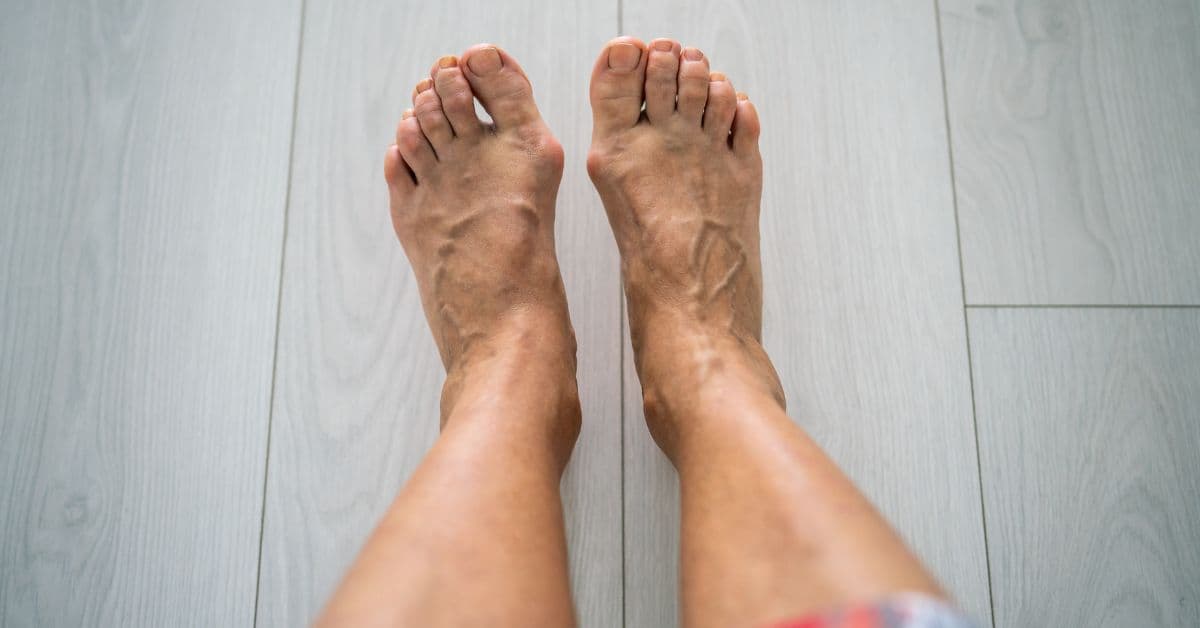
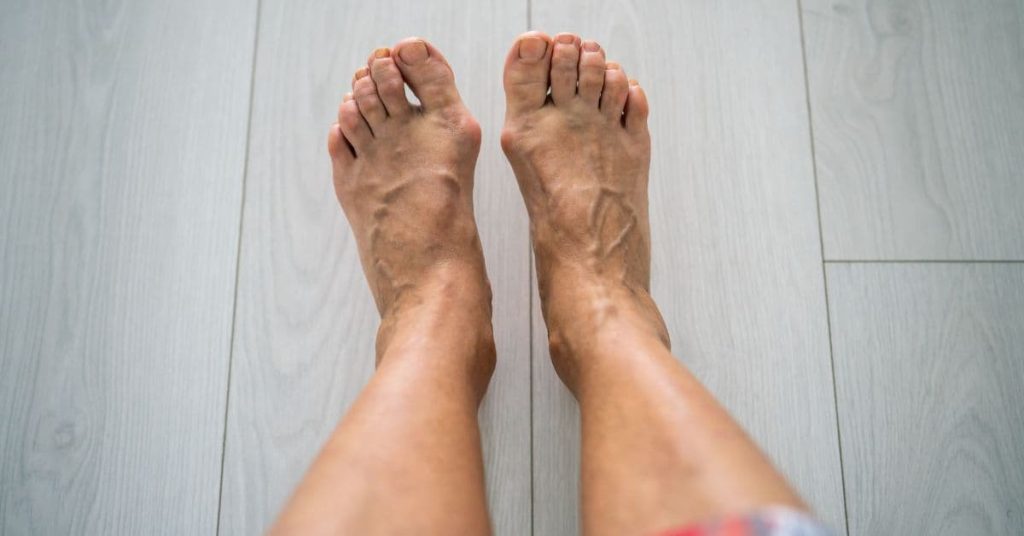
Hallux Valgus, more commonly known as bunions, is not just a cosmetic issue—it is a progressive deformity of the foot that affects millions of people worldwide. This condition occurs when the big toe deviates outward toward the other toes, while the first metatarsal bone shifts inward, creating a painful bump on the side of the foot. Over time, the deformity worsens, leading to pain, difficulty walking, and secondary problems with the knees, hips, and even the spine.
Many people believe bunions are only a minor inconvenience, but untreated Hallux Valgus can seriously impact quality of life. If you notice early signs such as pain, swelling, or misalignment of the toes, it’s crucial to take action. The good news is that in many cases, simple lifestyle changes, orthopedic recommendations, and specific exercises can slow down or even prevent the progression of bunions.
What Exactly Happens in Hallux Valgus?
When the alignment of the foot is disrupted, the arches flatten, and the weight of the body no longer distributes evenly. Instead of the load being absorbed by the entire foot, pressure shifts toward the inner edge. This imbalance pushes the big toe outward, while the metatarsal bone shifts inward, creating the visible bump. Over time, the joint capsule and ligaments stretch, leading to chronic inflammation, stiffness, and pain.
In severe cases, toes may overlap, the second and third toes may develop “hammer toe” deformities, and arthritis can set in.
Causes and Risk Factors
Hallux Valgus doesn’t appear overnight—it usually develops gradually. The most common causes and risk factors include:
- Genetics: If bunions run in your family, your chances of developing them increase significantly.
- Improper footwear: High heels, narrow-toed shoes, and soft, non-supportive footwear are major contributors.
- Flat feet or weak ligaments: These conditions reduce stability and increase strain on the big toe joint.
- Osteoporosis: Weak bones accelerate joint deformities.
- Obesity: Extra weight places more stress on the foot structure.
- Sedentary lifestyle: Lack of exercise weakens foot muscles and ligaments.
- Neuromuscular disorders: Certain conditions cause instability that worsens bunions.
Warning Signs That You Might Have Hallux Valgus
How can you recognize bunions early enough to prevent worsening? Look for these signs:
- Visible bump at the base of the big toe
- Toes leaning toward each other (often X-shaped legs in children)
- Pain in the forefoot, especially after long walks
- Difficulty finding comfortable shoes
- Swelling, redness, or irritation at the joint
- Fatigue or aching in the feet and knees after standing
Ignoring these symptoms can lead to bursitis, arthritis, or chronic joint deformities that require surgical correction.
Consequences of Ignoring Bunions
If left untreated, Hallux Valgus may cause:
- Chronic pain that limits walking or physical activity
- Arthritis in the metatarsophalangeal joint
- Toe deformities such as hammer toes
- Postural changes, leading to knee and back pain
- Loss of mobility and independence in severe cases
This is why early prevention and conservative treatment are critical.
Orthopedic Recommendations for Bunions
The first step in prevention is choosing the right footwear. Shoes should:
- Have a wide toe box to avoid squeezing the toes
- Provide arch support to reduce strain on ligaments
- Have heels no higher than 4 cm (1.5 inches)
- Fit snugly but not tightly
Other recommendations include:
- Avoid standing for long periods without breaks
- Use orthopedic insoles or toe spacers
- Apply ice to reduce inflammation after activity
- Maintain a healthy weight to reduce pressure on the feet
Orthopedic Exercises for Hallux Valgus
Strengthening the foot muscles and ligaments is essential to improve stability and reduce progression of bunions. Here are some effective exercises:
- Toe Spreading – Remove socks and consciously spread your toes apart. Hold for 10 seconds and repeat 8–10 times.
- Ankle Circles – Rotate your feet clockwise and counterclockwise to improve joint mobility. Repeat 10 times in each direction.
- Foot Massage with Objects – Roll a small ball, bottle, or even your foot over sand to strengthen the arch.
- Heel Raises – Stand and lift onto your toes, hold for 5 seconds, then lower. Repeat 10 times.
- Toe Curls – Sitting on a chair, place a towel on the floor and scrunch it with your toes. Repeat for 2–3 minutes.
- Walking on Natural Surfaces – Spend time barefoot on sand, grass, or pebbles to naturally strengthen muscles.
- Warm Water Foot Baths – Place feet in warm water with smooth pebbles and roll them under your feet.
These exercises not only help with bunions but also improve circulation, balance, and posture.
Prevention Is Better Than Cure
Even if you don’t currently have bunions, prevention is key. Incorporate these habits into your daily routine:
- Choose supportive footwear
- Maintain healthy body weight
- Perform foot exercises regularly
- Avoid prolonged standing or walking in uncomfortable shoes
- Get regular checkups with an orthopedist
Final Thoughts
Hallux Valgus is a progressive condition that, if ignored, can lead to pain, disability, and even surgery. But the good news is that with early recognition, proper footwear, and specific exercises, you can manage the condition effectively and prevent worsening. Orthopedic advice and a proactive approach are the best tools to keep your feet healthy and pain-free.
Don’t wait until the pain becomes unbearable—start making changes today!
Frequently Asked Questions About Hallux Valgus (Bunions)
1: Can bunions go away on their own?
No, bunions do not disappear without treatment. They are progressive and require lifestyle changes, exercises, or, in severe cases, surgery.
2: When should I see a doctor about bunions?
If you experience persistent pain, swelling, difficulty walking, or your toes are visibly misaligned, you should consult an orthopedic specialist.
3: Can children develop Hallux Valgus?
Yes. In children, bunions may be congenital or appear during growth. Early intervention is important to prevent long-term issues.
4: What is the best exercise for bunions?
Toe spreading, heel raises, and towel scrunches are highly effective for strengthening foot muscles and slowing deformity progression.
5: Can bunions be prevented?
In many cases, yes. Proper footwear, healthy weight, and regular foot exercises can significantly reduce the risk of developing bunions.
Vau.ge – Your Daily Guide for Practical Advice!
Vau.ge is a place where caring for your health, beauty, and daily routines becomes a natural, accessible, and enjoyable experience. Our main goal is to provide you with reliable information about natural remedies, homemade recipes, and practical tips that help you live a healthier life, look better, and simplify your everyday tasks without unnecessary expenses.
Our tips are easy to incorporate into your everyday life — whether it’s skincare, haircare, health-boosting remedies, or small tricks to save time. This knowledge will not only improve your own life but also allow you to share the experience with others, giving more people the chance to live a balanced life naturally and economically.
Please note: The articles on our website are for informational purposes only and do not replace professional medical advice. If you have serious health concerns, please consult a qualified specialist.