














Gastritis is one of the most common digestive disorders worldwide. It refers to the inflammation or irritation of the stomach lining, which can result in a range of uncomfortable symptoms and, in severe cases, can even lead to more serious health complications. Understanding gastritis, its symptoms, causes, and natural remedies can help you manage your digestive health and improve your overall quality of life.

What Is Gastritis?
Gastritis is an umbrella term for a group of conditions that all share a common feature: inflammation of the stomach’s protective lining. The inflammation can be short-term (acute) or develop gradually and persist over time (chronic). Gastritis can be caused by a variety of factors, including infection, poor dietary choices, long-term use of certain medications, stress, and underlying medical conditions.
Common Causes of Gastritis
There are many potential causes of gastritis, but the most frequent include:
- Infection with Helicobacter pylori: This bacterium is one of the leading causes of gastritis and peptic ulcers worldwide. It can damage the mucous lining of the stomach, making it more susceptible to irritation.
- Frequent use of NSAIDs: Medications like aspirin and ibuprofen, when used regularly, can erode the stomach’s lining and trigger inflammation.
- Excessive alcohol consumption: Alcohol can irritate and wear away the stomach lining, increasing the risk of gastritis.
- Stress: Chronic emotional or physical stress can exacerbate digestive problems, including gastritis.
- Autoimmune disorders: In some cases, the body’s immune system mistakenly attacks the cells of the stomach lining, leading to chronic gastritis.
- Other factors: Smoking, advanced age, bile reflux, and certain viral or fungal infections can also contribute to the development of gastritis.
Recognizing the Symptoms of Gastritis
The symptoms of gastritis can range from mild to severe and may appear suddenly or gradually. Some people may experience only a few symptoms, while others might have a combination. Common symptoms include:
- Upper abdominal pain or discomfort: This is often described as a burning, gnawing, or aching pain in the area between the ribs and the navel.
- Nausea and vomiting: Gastritis can make you feel queasy, and in some cases, may even cause vomiting.
- Bloating and fullness: A feeling of being overly full during or after a meal is common.
- Loss of appetite: Ongoing stomach discomfort can lead to reduced interest in eating.
- Indigestion or heartburn: Many people with gastritis experience a sour taste in the mouth or burning sensation in the chest or upper abdomen.
- Frequent burping and gas: Excessive gas and belching are frequent complaints.
- Weight loss and weakness: Chronic gastritis may lead to unintentional weight loss and fatigue.
- Dark or tarry stools: This can indicate bleeding in the stomach and should be taken very seriously—seek medical attention immediately if this occurs.
When to See a Doctor
It is important to note that while mild forms of gastritis can sometimes be managed at home, you should seek medical advice if:
- Your symptoms last for more than a week or become severe.
- You have blood in your vomit or stools.
- You experience unexplained weight loss.
- You develop severe pain or a high fever.
Early diagnosis and treatment can help prevent complications such as ulcers, anemia, or, in rare cases, stomach cancer.
Natural Remedies for Gastritis
For those dealing with mild to moderate gastritis, there are several natural remedies and lifestyle changes that can help relieve symptoms and promote healing:
1. Rice Water
Rice water is a traditional remedy for soothing an irritated stomach lining. To prepare it, boil half a cup of rice in two cups of water, strain the liquid, and let it cool. Drink the rice water two or three times a day. Its mild flavor and smooth texture make it easy on the stomach, while the nutrients help coat and protect the lining.
2. Gelatin
Gelatin contains amino acids and proteins that support tissue repair. Consuming cold gelatin (such as homemade jelly) when experiencing burning or discomfort can help soothe the stomach lining and reduce inflammation.
3. Bananas
Bananas are rich in fiber, potassium, and natural antacids. They help regulate stomach acidity, promote healing, and protect against further irritation. Eat ripe bananas as a snack, add them to smoothies, or mix them into oatmeal for a gentle, healing meal.
4. Herbal Teas
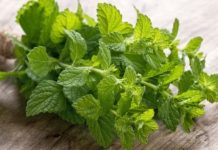
Certain herbal teas, such as chamomile, mint, or calendula, are known for their anti-inflammatory and calming effects on the digestive tract. Drinking these teas between meals can help ease pain and discomfort. Avoid adding sugar or citrus if these tend to trigger your symptoms.
5. Drink More Water
Proper hydration is essential for overall digestive health. Drinking 6–8 glasses of water a day helps dilute stomach acids and keeps the digestive system functioning smoothly. If you struggle to drink plain water, try herbal teas or add a splash of lemon for flavor—just make sure lemon doesn’t worsen your symptoms.
6. Avoid Irritating Foods and Drinks
Certain foods and beverages can worsen gastritis symptoms. These include spicy foods, fried and fatty dishes, caffeine, carbonated drinks, alcohol, citrus fruits, and heavily processed foods. Stick to bland, easily digestible foods when symptoms flare up, such as boiled potatoes, steamed vegetables, plain rice, lean meats, and applesauce.
7. Adopt Healthy Eating Habits
Eat small, frequent meals throughout the day rather than three large ones. Chew food slowly and thoroughly to aid digestion. Avoid lying down immediately after eating and try to keep meal times consistent.
8. Manage Stress
Chronic stress can worsen gastritis and slow down the healing process. Practice relaxation techniques such as deep breathing, yoga, meditation, or regular exercise to keep stress levels in check.
9. Limit the Use of Non-Essential Medications
If possible, reduce or avoid non-steroidal anti-inflammatory drugs (NSAIDs) and other medications known to irritate the stomach. Always consult your doctor before making changes to your medication regimen.
Prevention and Long-Term Management
Preventing gastritis is easier than treating it. Maintaining a healthy lifestyle, eating a balanced diet rich in fruits, vegetables, and whole grains, avoiding tobacco and excessive alcohol, and managing stress can go a long way in keeping your stomach healthy.
If you have a history of gastritis or are at risk, work closely with your healthcare provider to develop a plan for monitoring and managing your condition. Regular check-ups, early treatment of infections, and prompt attention to symptoms can help prevent complications.
Final Thoughts
Gastritis may be a common condition, but it should not be ignored. By recognizing the symptoms, understanding the causes, and using natural remedies alongside healthy habits, you can manage gastritis effectively and improve your digestive well-being. Remember, if symptoms persist or worsen, always seek professional medical advice to ensure your health and safety.
Vau.ge – Your Daily Guide for Practical Advice!
Vau.ge is a place where caring for your health, beauty, and daily routines becomes a natural, accessible, and enjoyable experience. Our main goal is to provide you with reliable information about natural remedies, homemade recipes, and practical tips that help you live a healthier life, look better, and simplify your everyday tasks without unnecessary expenses.
Our tips are easy to incorporate into your everyday life — whether it’s skincare, haircare, health-boosting remedies, or small tricks to save time. This knowledge will not only improve your own life but also allow you to share the experience with others, giving more people the chance to live a balanced life naturally and economically.
Please note: The articles on our website are for informational purposes only and do not replace professional medical advice. If you have serious health concerns, please consult a qualified specialist.