















Seasonal flu and common colds affect millions of people every year. Sore throat, fatigue, fever, and general weakness often push people to search for quick and effective solutions. While modern medicine offers well-established treatments, traditional remedies continue to attract interest—especially those that have been used for decades.
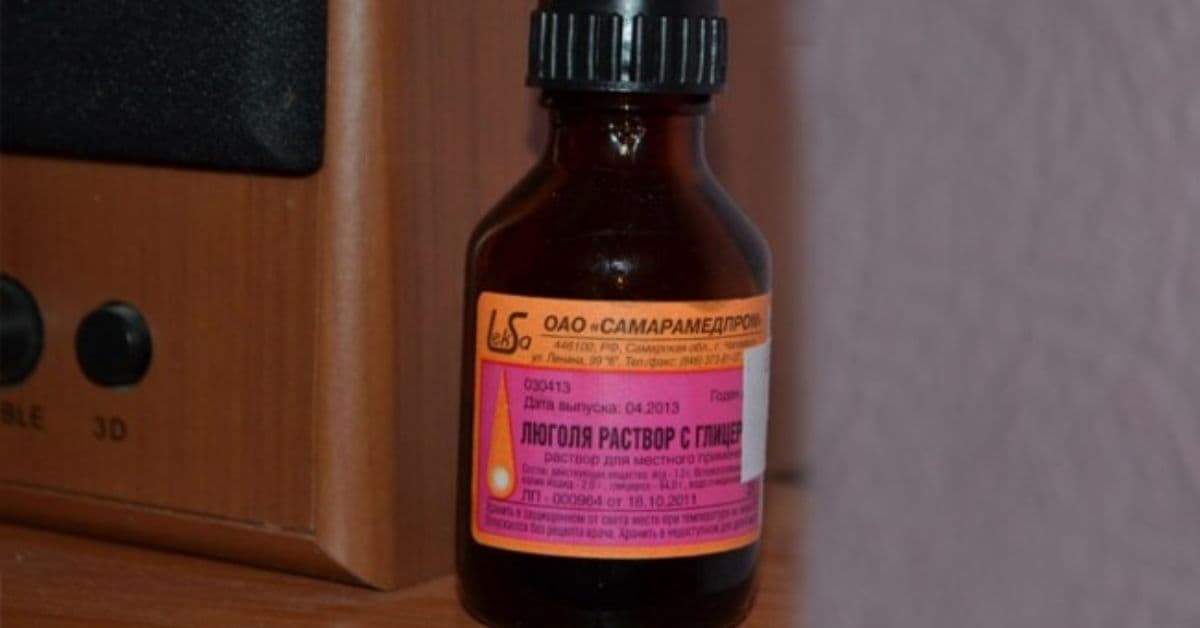
One such remedy frequently mentioned in folk medicine discussions is Lugol’s solution, an iodine-based preparation originally developed in the 19th century. Although its medical use today is limited and carefully regulated, it remains a topic of debate in traditional and alternative health circles.
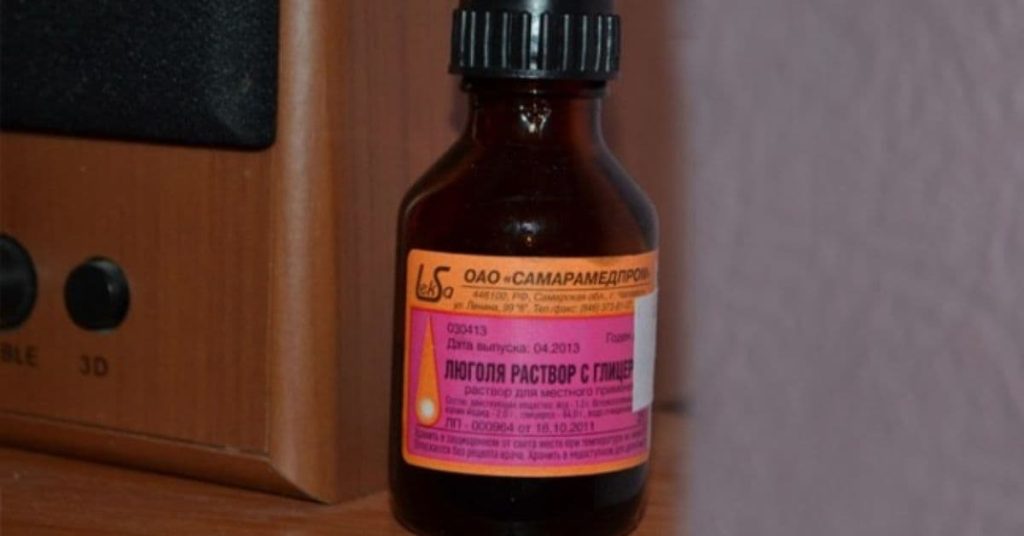
Understanding what Lugol’s solution is—and what it is not—is essential before considering its use.
What Is Lugol’s Solution?
Lugol’s solution is a mixture of iodine and potassium iodide dissolved in water. Historically, it was used for disinfecting wounds, treating iodine deficiency, and managing certain thyroid-related conditions under medical supervision.
Today, its approved medical applications are far more restricted. However, in folk medicine traditions, Lugol’s solution is often discussed as a supportive remedy for throat-related discomfort and immune system support.
Medical professionals emphasize that iodine is a powerful substance that must be used cautiously, as excessive intake can be harmful.
Why Lugol’s Solution Is Associated With Cold and Flu Care
In traditional practices, iodine-containing solutions have long been associated with antiseptic properties. This is why Lugol’s solution is often mentioned in connection with sore throats, tonsil discomfort, and upper respiratory irritation.
Some individuals report long-term personal experience using diluted iodine-based preparations during cold seasons. These accounts often describe perceived relief of throat discomfort rather than treatment of viral infections themselves.
It is important to clarify that viruses cannot be eliminated by iodine taken internally, and modern medicine does not recognize Lugol’s solution as a cure for flu or colds.
Sore Throat and Tonsil Discomfort
Sore throat is one of the most common symptoms during colds and seasonal infections. In clinical settings, iodine solutions may be used externally or locally under controlled conditions due to their antiseptic nature.
Traditional approaches often focus on topical application rather than internal use. This distinction is critical, as swallowing iodine without medical supervision may lead to side effects.
Healthcare providers recommend that persistent throat pain, swollen tonsils, or difficulty swallowing should always be evaluated professionally.
Chronic Fatigue and the Role of Iodine
Some alternative health traditions associate chronic fatigue with iodine deficiency or metabolic imbalance. Iodine is essential for thyroid hormone production, which regulates metabolism and energy levels.
However, fatigue has many possible causes, including stress, anemia, sleep disorders, infections, and autoimmune conditions. Self-diagnosing iodine deficiency without laboratory testing is unreliable and potentially dangerous.
Modern endocrinology stresses that both iodine deficiency and iodine excess can disrupt thyroid function.
Traditional Recipes and Historical Perspectives
Historical medical literature and folk traditions often mention iodine-based preparations in connection with general health maintenance. Some practitioners believed that long-term illnesses were preceded by subtle warning signs and that mineral balance played a role in disease progression.
These perspectives reflect historical understanding rather than current medical consensus. While interesting from a cultural standpoint, they should not replace evidence-based healthcare.
Prostate and Inflammatory Conditions in Folk Medicine
In traditional narratives, Lugol’s solution is sometimes discussed in relation to inflammatory conditions, including those affecting the prostate. These claims are not supported by modern clinical trials.
Inflammatory conditions require accurate diagnosis and targeted treatment. Self-treatment with iodine may mask symptoms without addressing underlying causes.
Medical professionals strongly discourage using iodine internally for chronic inflammatory diseases without specialist supervision.
Autoimmune Conditions and Iodine Sensitivity
Autoimmune diseases, such as lupus, involve complex immune system dysregulation. Iodine metabolism in such conditions can be unpredictable.
Excess iodine intake may worsen symptoms in individuals with thyroid-related autoimmune disorders. This is why most clinical guidelines advise caution or complete avoidance of iodine supplementation unless prescribed.
Pharyngitis and Clinical Use of Iodine
In clinical otolaryngology (ENT medicine), iodine-based solutions have historically been used for topical treatment, not internal consumption. This includes controlled application for certain throat conditions under medical guidance.
Different types of pharyngitis—atrophic, catarrhal, hypertrophic, or fungal—require different treatment approaches. No single substance is appropriate for all cases.
Persistent throat symptoms should always be evaluated by an ENT specialist.
Risks and Contraindications
Medical guidelines clearly state that iodine-containing preparations are not suitable for everyone. Individuals who should avoid iodine-based solutions include those with:
- Iodine hypersensitivity
- Severe liver or kidney disease
- Hyperthyroidism
- Certain skin conditions such as dermatitis herpetiformis
- Children under 12 years of age
Improper use may lead to thyroid dysfunction, allergic reactions, or gastrointestinal irritation.
Why Medical Supervision Matters
The long history of a substance does not guarantee safety. Many historically used remedies are now known to be harmful when misused.
Modern medicine relies on controlled dosage, clear indications, and safety monitoring. Any iodine-based preparation should be used only when medically justified and supervised.
Flu and cold symptoms usually resolve with rest, hydration, and supportive care. Severe or prolonged symptoms require professional evaluation.
Final Thoughts
Lugol’s solution remains an interesting subject within traditional health discussions, largely due to its historical use and iodine content. However, modern medical understanding emphasizes caution, proper diagnosis, and evidence-based treatment.
While personal experiences may vary, iodine-based solutions should never be viewed as universal remedies for flu, colds, chronic fatigue, or inflammatory diseases.
Responsible health decisions balance curiosity with safety—and tradition with science.
Vau.ge – Your Daily Guide for Practical Advice!
Vau.ge is a place where caring for your health, beauty, and daily routines becomes a natural, accessible, and enjoyable experience. Our main goal is to provide you with reliable information about natural remedies, homemade recipes, and practical tips that help you live a healthier life, look better, and simplify your everyday tasks without unnecessary expenses.
Our tips are easy to incorporate into your everyday life — whether it’s skincare, haircare, health-boosting remedies, or small tricks to save time. This knowledge will not only improve your own life but also allow you to share the experience with others, giving more people the chance to live a balanced life naturally and economically.
Please note: The articles on our website are for informational purposes only and do not replace professional medical advice. If you have serious health concerns, please consult a qualified specialist.