





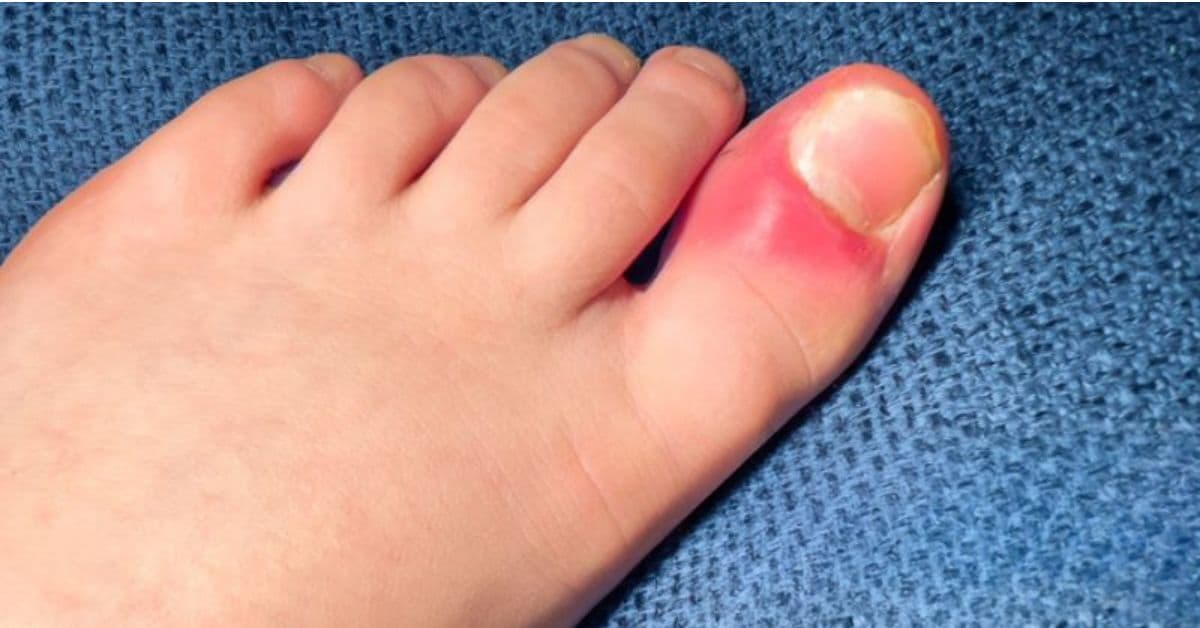
There are few pains as sharp, irritating, and unexpectedly intense as an ingrown toenail. At first glance, it looks like a small problem—a tiny area of redness on the edge of your big toe. But those who have experienced it know the truth: this tiny injury can turn into a nightmare. Walking becomes painful, shoes feel like torture, and every step reminds you that something deep inside is inflamed and angry.
I remember the day my toenail began growing into the skin. The pain came slowly at first, then suddenly surged as if someone was pressing a burning needle under the nail. I wasn’t ready for how disabling it would be.
That’s when I learned something important: ignoring ingrown toenails only makes them worse.
Why Ingrown Toenails Happen
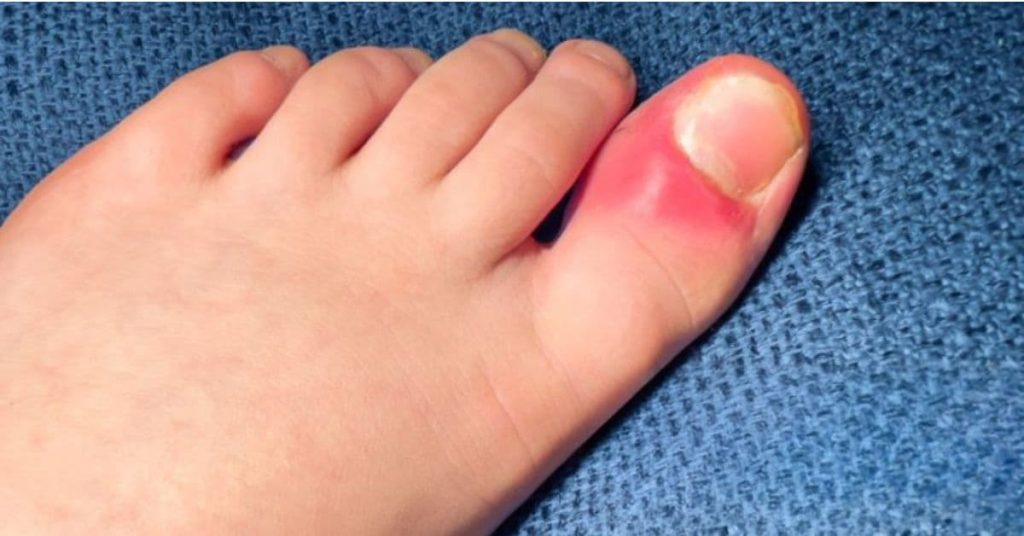
Ingrown toenails develop when the nail curves downward and grows into the skin instead of outward. This causes redness, swelling, and sensitivity. Pressure from shoes or walking turns the area red, irritated, and painfully tender.
In more advanced cases, the skin can become infected, swollen with fluid, and even form excess tissue around the corner of the nail. Sometimes, there is bleeding. Sometimes, there is drainage. Always, there is discomfort.
Common causes include:
- Tight shoes
- Incorrect nail trimming
- Trauma to the toe
- Genetic nail curvature
- Repeated pressure from sports or walking
When your toenail begins to curve into the skin, the body reacts by sending fluid and immune cells to fight what it believes is an intruder. Unfortunately, this creates swelling—and swelling pushes the nail even deeper.
It becomes a painful cycle.
My First Reaction Was Panic
As the pain worsened, simple tasks became difficult. Putting on socks felt like stepping into a trap. Sneakers were my enemy. Even lying in bed, the blanket rubbing against my toe was enough to wake me.
I considered cutting the nail myself. I even picked up small scissors—but the thought of worsening it terrified me. That’s when I turned to research, to family advice, and to gentle remedies.
Surprisingly, there were several effective solutions—waiting quietly inside my home.
Start With a Warm Soak—Your First Weapon
The first and most soothing step is soaking your foot in warm water. I added Epsom salt (also called English salt) to the water and watched how the swelling softened. The warm water loosened the skin and relaxed the nail, making everything less tight.
I soaked my foot for 15 to 20 minutes at a comfortable temperature—not too hot. The goal wasn’t to burn my skin, but to soften it gently.
The difference after this simple step was shocking. The pain lowered, the swelling pulled back, and the stiff skin relaxed.
Lift the Nail Gently (Do Not Cut It!)
After soaking, the nail becomes much softer. Using a clean wooden toothpick or tweezers, I gently lifted the corner of the nail away from the inflamed skin. Never force it. The goal is to create space.
Then, I slid a tiny piece of clean cotton under the edge of the nail to keep the pressure from returning. Changing the cotton daily helped dramatically. At first it felt strange, but the relief was immediate.
This alone stopped the nail from digging deeper.
Antibiotic Cream to Prevent Infection
When skin breaks open, bacteria rush in. I used a mild antibiotic ointment on the area twice each day. This prevented infection while reducing redness and burning. After applying the ointment, I wrapped my toe gently with medical tape.
Keeping the toe clean and covered was essential.
Tea Tree Oil—Nature’s Disinfectant
A few drops of tea tree oil became my secret weapon. This essential oil is known for its antibacterial properties. Applying a small amount daily helped dry the moisture around the nail, reducing swelling and preventing infection.
It smelled strong, but the cleanliness felt immediate.
Keep Shoes Loose and Breathable
During treatment, I avoided narrow shoes entirely. Wide, open footwear gave my nail room to breathe. Each morning, I felt just a little better.
Healing is a slow dance—not a sudden miracle.
One List You Should Remember: Signs You Should See a Doctor
- Severe swelling
- Intense throbbing pain
- Yellow or green discharge
- Fever
- Red streaks around the toe
These signs can mean infection has spread.
Home remedies can help—but medical attention becomes essential if things worsen.
The Most Important Rule: Do NOT Cut the Ingrown Nail Yourself
Cutting into the nail corner often makes the curve worse. It’s tempting, but dangerous. The nail becomes sharper, thinner, and more likely to pierce deeper next time.
Let a professional handle trimming if necessary.
A Little Known Herbal Tip
In some traditional households, lavender oil or chamomile tea compresses are used to calm inflammation. I tried chamomile—and it soothed my skin beautifully. Natural doesn’t mean weak. It means gentle.
The Results After One Week
After seven consistent days:
- swelling decreased noticeably
- redness faded
- I could walk without limping
- the stabbing pain disappeared
the skin looked healthier
The nail began to grow over the cotton support, away from the skin, like it was learning a new direction.
By week’s end, I felt normal again.
Why This Works
Warm water softens the nail
Cotton lifts the pressure
Antibiotic ointment prevents infection
Tea tree oil dries bacteria
Loose shoes reduce irritation
Together, they free the nail and soothe the skin.
Emotional Relief Is Real Too
Beyond physical pain, ingrown toenails bring irritation, embarrassment, and frustration. Pain changes our mood. It drains patience.
Healing returned not only mobility—but confidence.
It reminded me that small body parts can hold big power.
Final Thoughts: Respect the Warning Signs
Don’t ignore a painful toenail. It might look harmless, but early care prevents infection and surgery. Be patient and gentle.
Your body always whispers before it screams.
May your steps be painless and confident again.
Stay healthy—and never underestimate the power of simple home care.
Vau.ge – Your Daily Guide for Practical Advice!
Vau.ge is a place where caring for your health, beauty, and daily routines becomes a natural, accessible, and enjoyable experience. Our main goal is to provide you with reliable information about natural remedies, homemade recipes, and practical tips that help you live a healthier life, look better, and simplify your everyday tasks without unnecessary expenses.
Our tips are easy to incorporate into your everyday life — whether it’s skincare, haircare, health-boosting remedies, or small tricks to save time. This knowledge will not only improve your own life but also allow you to share the experience with others, giving more people the chance to live a balanced life naturally and economically.
Please note: The articles on our website are for informational purposes only and do not replace professional medical advice. If you have serious health concerns, please consult a qualified specialist.