















Most of us don’t pay much attention to the color of our urine, but it can tell us more about our health than we realize. Urine color can range from completely clear to deep brown or even reddish. These color variations are not random—they provide important clues about hydration levels, kidney function, possible infections, and even serious underlying diseases.
In fact, urine color may sometimes serve as the first warning sign of a condition that requires early diagnosis and treatment. Understanding these signals can help you take action before complications develop.
Let’s explore what different urine colors may reveal about your health.
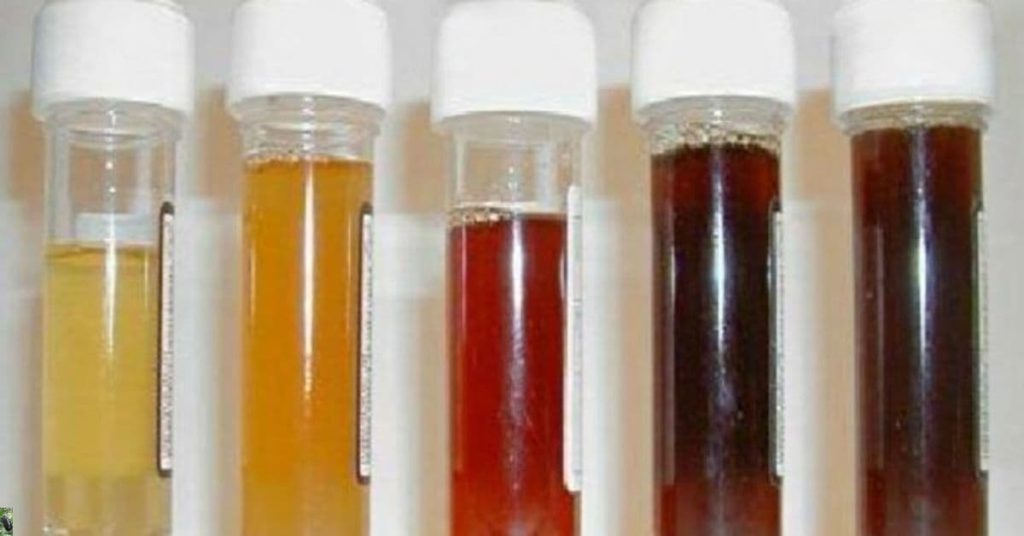
What Can the Color of Urine Reveal?
Each shade of urine reflects the body’s internal balance and can indicate specific problems or conditions. One of the most common issues revealed by urine color is kidney dysfunction, but changes in urine can also point to immune weakness, metabolic imbalances, or diseases affecting other organs.
Colorless or Very Pale Urine
If your urine is colorless or extremely light—almost transparent—it usually means you are drinking too much fluid. When the body is overhydrated, it flushes out water along with essential nutrients and electrolytes instead of properly absorbing them.
This can disrupt your metabolism and overload the kidneys. Although staying hydrated is essential, excessive water intake may strip the body of minerals, leaving you tired or weak.
The healthiest and most common urine color is light yellow.
Light Yellow Urine: The Ideal Shade
A pale yellow color is considered the sign of a well-functioning body. This shade suggests that:
- Your hydration is balanced.
- The kidneys and liver are working properly to filter toxins.
- Your overall lifestyle and fluid intake are healthy.
If your urine consistently appears this shade, it is a strong indicator that your body’s cleansing functions are in good shape.
Dark Yellow or Brownish Urine
If your urine turns dark yellow or brownish, it is a signal that you may not be drinking enough fluids. Dehydration is the most likely cause, as insufficient water intake makes the urine more concentrated and darker in color.
However, persistent dark urine can also increase the risk of kidney stones or other urinary tract issues, since concentrated urine may cause mineral buildup.
What to do:
- Increase your daily water intake.
- Monitor whether the color lightens after proper hydration.
- If it persists, consult a doctor to rule out liver conditions such as hepatitis or cirrhosis, which can also cause dark urine.
Pink or Red Urine
This is one of the most alarming urine changes.
Sometimes, red or pink urine is harmless and caused by eating foods like beets, blackberries, or rhubarb, which naturally color urine and stool. However, if you have not consumed such foods, blood in the urine (hematuria) may be the cause.
This could indicate:
- Urinary tract infection (UTI)
- Kidney inflammation or injury
- Bladder infection or stones
- More serious conditions such as kidney disease or, rarely, tumors
If your urine turns red or pink without dietary causes, it’s essential to see a doctor immediately for proper diagnosis and treatment.
Unusual Colors: Blue or Green Urine
Although rare, urine may occasionally appear blue or green. The most common cause is medication—certain antibiotics, anesthetics, or supplements can alter urine color.
In some cases, these unusual shades can indicate metabolic disorders or bacterial infections.
When to seek help:
If you notice green or blue urine without any clear explanation (such as medication), consult a healthcare provider promptly to rule out underlying disease.
Other Factors Affecting Urine Color
Urine color doesn’t always indicate disease—it can also be influenced by lifestyle, diet, and temporary conditions.
- Diet: Foods like carrots (orange tint) or asparagus (greenish tint) can alter color.
- Medications: Multivitamins, laxatives, and antibiotics may cause neon yellow or other colors.
- Exercise: Intense workouts can cause muscle breakdown, leading to dark or reddish urine (a condition called rhabdomyolysis), which requires urgent medical attention.
When Should You See a Doctor?
While minor variations in urine color are often harmless, you should seek medical attention if you notice:
- Persistent dark, red, or brown urine.
- Unexplained changes that last more than two days.
- Pain, burning, or unusual odor along with urine changes.
- Symptoms such as fever, fatigue, or swelling in addition to abnormal urine color.
Early detection of problems through something as simple as observing urine color can prevent serious complications.
Conclusion
Your urine is more than just a waste product—it is a reflection of your overall health. From hydration levels to kidney function and even possible infections, its color provides important clues that should never be ignored.
- Clear or white urine: Overhydration.
- Light yellow urine: Healthy and balanced.
- Dark yellow or brown urine: Dehydration or possible liver/kidney issues.
- Pink or red urine: Possible blood—urgent checkup needed.
- Blue or green urine: Likely due to medication or rare conditions.
By paying attention to these changes and responding early, you can protect your kidneys, maintain metabolic balance, and ensure your body stays healthy.
So the next time you use the restroom, take a moment to look—your urine may be telling you more than you think.
Vau.ge – Your Daily Guide for Practical Advice!
Vau.ge is a place where caring for your health, beauty, and daily routines becomes a natural, accessible, and enjoyable experience. Our main goal is to provide you with reliable information about natural remedies, homemade recipes, and practical tips that help you live a healthier life, look better, and simplify your everyday tasks without unnecessary expenses.
Our tips are easy to incorporate into your everyday life — whether it’s skincare, haircare, health-boosting remedies, or small tricks to save time. This knowledge will not only improve your own life but also allow you to share the experience with others, giving more people the chance to live a balanced life naturally and economically.
Please note: The articles on our website are for informational purposes only and do not replace professional medical advice. If you have serious health concerns, please consult a qualified specialist.