






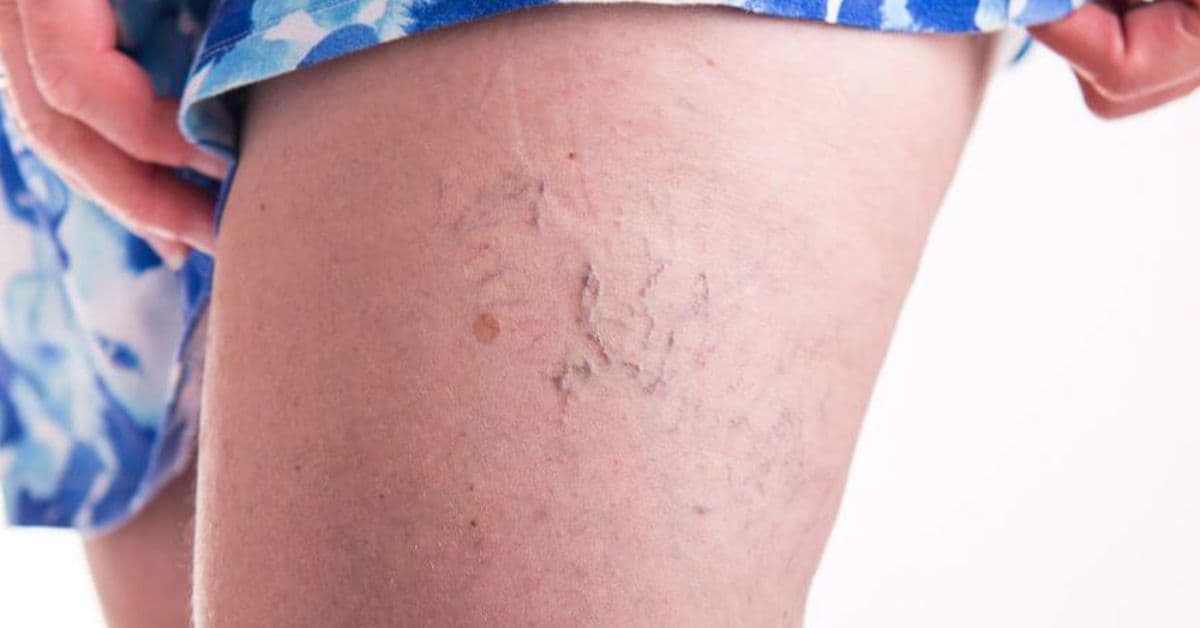
Important Notice:
Poor blood circulation is never a good sign. In some cases, it may even mean that your arteries are partially or fully blocked. Arterial blockages are dangerous because they can lead to life-threatening conditions such as heart attack, stroke, or peripheral artery disease. This is why recognizing the early warning signs is critical — the sooner you take action, the better your chances of avoiding serious complications.
In nearly every situation, poor circulation translates to a decline in your overall health and should not be ignored. It may be related to high blood pressure, diabetes, obesity, or other cardiovascular problems. Let’s break down the main causes, symptoms, and prevention strategies you need to know.
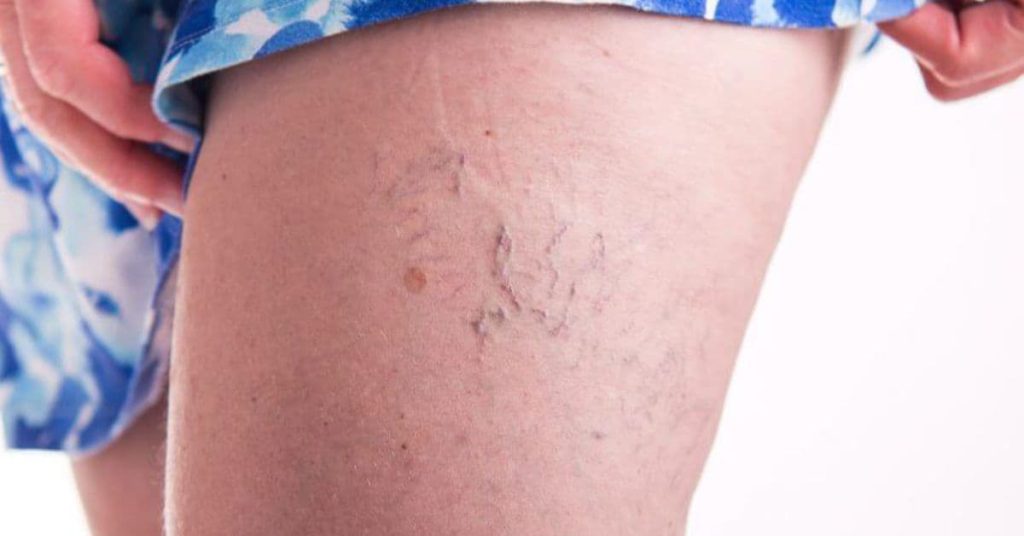
What Causes Poor Blood Circulation?
While some people inherit genetic risk factors, lifestyle choices play a major role. Some of the most common causes include:
- A sedentary lifestyle – lack of movement reduces blood flow and encourages plaque buildup in arteries.
- Unhealthy diet – fast food, processed sugar, and saturated fats contribute to cholesterol deposits.
- Obesity – excess weight puts strain on the cardiovascular system.
- Smoking and alcohol – both damage blood vessels and accelerate arterial stiffening.
When circulation slows down, organs and tissues do not receive the oxygen and nutrients they need to function properly. Over time, this can damage essential organs such as the heart, kidneys, and brain.
Why Good Circulation Is Vital
Every single organ in your body depends on free-flowing blood. Your heart pumps oxygen-rich blood through your arteries to supply your brain, muscles, skin, and organs with what they need. When arteries are blocked or narrowed, even partially, the damage can be serious:
- The brain suffers from memory loss, dizziness, or even stroke.
- The heart risks developing angina, arrhythmia, or heart attack.
- The legs and feet may develop pain, numbness, or wounds that heal poorly.
Good circulation ensures that your body receives oxygen, removes waste products, and maintains overall vitality.
Could It Be Peripheral Artery Disease?
One of the most overlooked conditions linked to clogged arteries is Peripheral Artery Disease (PAD). PAD occurs when fatty deposits, or plaques, accumulate inside the arteries. This process, known as atherosclerosis, causes the arteries to harden and narrow. Over time, it restricts blood flow to the limbs, especially the legs.
Doctors often struggle to diagnose PAD early because its symptoms can mimic other health issues. Many patients dismiss the discomfort as aging or muscle fatigue, when in reality their arteries are slowly clogging.
7 Warning Signs of Clogged Arteries
Pay attention to the following symptoms. They may indicate poor circulation and possibly arterial blockages:
- Leg pain and cramps – especially during walking or exercise, relieved by rest.
- Numbness or weakness in the legs – caused by insufficient blood reaching the muscles.
- Coldness in the lower leg or foot – compared to the other side.
- Hair loss on the legs – poor circulation leads to thinning or loss of hair.
- Shiny, smooth skin on the legs – a sign of reduced blood supply.
- Slow-healing wounds or sores on the feet – another indicator of PAD.
- Chronic fatigue – feeling tired all the time can be a systemic sign of poor blood circulation.
It’s important to note that not everyone experiences all these symptoms. In some cases, clogged arteries remain “silent” until a major complication occurs. That’s why prevention and regular check-ups are essential.
Prevention and Treatment
While clogged arteries can be serious, the good news is that lifestyle changes and proper nutrition can greatly reduce your risk.
1. Increase Physical Activity
Regular exercise stimulates circulation, strengthens the heart, and prevents plaque buildup. Even simple activities such as walking 30 minutes a day can make a difference.
2. Switch to a Plant-Based Diet
Fruits, vegetables, whole grains, and legumes help reduce cholesterol and inflammation. Fiber also plays a major role in removing excess fats from the body.
3. Quit Smoking and Limit Alcohol
Nicotine and alcohol damage blood vessel walls, stiffen arteries, and accelerate plaque formation. Quitting will almost immediately improve your vascular health.
4. Add Circulation-Boosting Foods
- Garlic and ginger – both improve blood flow and reduce cholesterol.
- Vitamin E-rich nuts – almonds, Brazil nuts, and sunflower seeds keep blood thin and flowing.
- Antioxidant-rich fruits and vegetables – oranges, berries, leafy greens, and carrots provide vitamin C, beta-carotene, and selenium.
5. Maintain a Healthy Weight
Even losing a modest amount of weight can significantly reduce stress on your cardiovascular system.
6. Consider Supplements (with medical advice)
Vitamin C, Vitamin D, Vitamin E, selenium, and omega-3 fatty acids are known to support circulation and protect arteries. Always consult with a doctor before beginning supplements.
When to See a Doctor
If you experience persistent leg pain, numbness, or fatigue, do not ignore it. Early detection of clogged arteries can prevent heart attack or stroke. Doctors may recommend tests such as ultrasound, blood tests, or angiography to assess blood flow. Depending on severity, treatment can include medication, lifestyle adjustments, or in advanced cases, surgery.
Final Thoughts
Clogged arteries don’t happen overnight — they develop slowly, often silently, over years. But your body does send warning signals. Fatigue, leg pain, hair loss, shiny skin, and slow-healing wounds are all red flags that circulation may be compromised.
The best strategy is prevention: stay active, eat healthy, avoid harmful habits, and nourish your body with antioxidant-rich foods. If you recognize any of the warning signs, don’t wait. Consult a healthcare professional as soon as possible.
Remember: taking small steps today can prevent life-threatening conditions tomorrow. Protect your arteries, and you protect your life.
Vau.ge – Your Daily Guide for Practical Advice!
Vau.ge is a place where caring for your health, beauty, and daily routines becomes a natural, accessible, and enjoyable experience. Our main goal is to provide you with reliable information about natural remedies, homemade recipes, and practical tips that help you live a healthier life, look better, and simplify your everyday tasks without unnecessary expenses.
Our tips are easy to incorporate into your everyday life — whether it’s skincare, haircare, health-boosting remedies, or small tricks to save time. This knowledge will not only improve your own life but also allow you to share the experience with others, giving more people the chance to live a balanced life naturally and economically.
Please note: The articles on our website are for informational purposes only and do not replace professional medical advice. If you have serious health concerns, please consult a qualified specialist.