







Aloe is one of the most renowned medicinal plants in the world, valued for its remarkable healing properties. Both official and traditional medicine have long recognized the therapeutic benefits of aloe-based preparations, which are derived from the plant’s thick, fleshy leaves. Its medicinal potential lies in its unique combination of vitamins, minerals, amino acids, and bioactive compounds that help the human body recover from various ailments and maintain overall well-being.

Preparation of Aloe Leaves Before Use
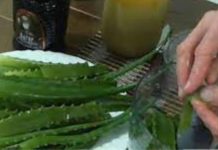
Before aloe can be used for medicinal purposes, there is an important preparation stage that enhances its effectiveness. Experts recommend cutting fresh aloe leaves and storing them in a cool, dark place for about 12 days before use. This process is believed to stimulate the production of biostimulants—natural compounds that boost the regenerative capabilities of cells and enhance the body’s healing processes. When the leaves are subjected to slightly stressful storage conditions, the plant increases its production of these protective compounds, making them even more beneficial for human health.
This storage process can be done by wrapping the leaves in paper or placing them in a breathable cloth bag and keeping them in the refrigerator (at a temperature of about 4-8°C). After this period, the leaves can be washed, peeled, and prepared for various medicinal recipes.
Aloe for Liver Diseases
The liver is one of the most vital organs in the body, responsible for detoxifying harmful substances, metabolizing nutrients, and regulating many important biochemical processes. Unfortunately, liver diseases are common and can severely affect the quality of life. Among the most frequent conditions are infectious hepatitis and cirrhosis.
Hepatitis is an inflammatory condition of the liver, often caused by viral infections, toxic substances, or autoimmune disorders. Cirrhosis, on the other hand, is a more advanced stage of liver damage characterized by scarring of liver tissue, which impairs its normal function. Both conditions require careful medical management under the supervision of a healthcare professional.
While conventional medicine offers treatments such as antiviral medications, lifestyle changes, and specific dietary adjustments, herbal remedies—when used responsibly—can complement these therapies. Aloe, in particular, is known for its anti-inflammatory, antioxidant, and hepatoprotective properties, making it a valuable supportive remedy for liver health.
Important: Aloe-based treatments for liver diseases should always be undertaken with a doctor’s guidance, especially if the patient is already undergoing medical treatment.
Recipe 1 – Aloe with St. John’s Wort and Mint
Ingredients:
- 1 tablespoon chopped aloe leaves
- 1 tablespoon St. John’s Wort (Hypericum perforatum)
- 1 tablespoon peppermint leaves
- 600 ml of boiling water
Preparation:
- Place the chopped aloe, St. John’s Wort, and peppermint into a heat-resistant container.
- Pour 600 ml of freshly boiled water over the herbs.
- Cover tightly and let the mixture infuse for 2 hours.
- Strain the infusion through a fine sieve or cheesecloth.
Dosage:
Drink 75 ml, three times a day, about 15 minutes before meals. This infusion is known to help reduce inflammation, stimulate digestion, and support liver function by improving bile flow.
Recipe 2 – Aloe with Dandelion Root, Mint, and St. John’s wort
Ingredients:
- 1 tablespoon chopped aloe leaves
- 1 tablespoon dried dandelion root
- 1 tablespoon peppermint leaves
- 1 teaspoon St. John’s Wort herb
- 600 ml of boiling water
Preparation:
- Mix all the herbs and aloe in a bowl.
- Pour 600 ml of boiling water over the mixture.
- Let it steep for 40 minutes.
- Strain the liquid to remove the solid parts.
Dosage:
Take 100 ml of the infusion three times a day, 20 minutes before meals. This formula is particularly helpful for liver pain, sluggish bile flow, and digestive discomfort caused by liver inflammation.
Dandelion root is well known in herbal medicine for its liver-detoxifying properties, while peppermint helps relax the bile ducts and improve bile secretion. Together with aloe and St. John’s Wort, this blend helps cleanse the liver and relieve symptoms of bloating, heaviness, and mild jaundice.
Recipe 3 – Aloe with Dill, Mint, and St. John’s wort
Ingredients:
- 1 tablespoon chopped aloe leaves
- 1 tablespoon dill seeds or fresh dill tops
- 1 tablespoon peppermint leaves
- 1 tablespoon St. John’s Wort stems and leaves
- 600 ml of boiling water
Preparation:
- Place all the ingredients into a pot or teapot.
- Pour 600 ml of boiling water over the mixture.
- Allow it to steep for 20 minutes.
- Strain the liquid to remove plant material.
Dosage:
Drink 100 ml four times a day, 15 minutes before meals. This recipe is particularly beneficial for gallbladder-related liver problems, mild gallstones, and digestive sluggishness. Dill has carminative and digestive-enhancing properties, while peppermint and St. John’s Wort contribute to bile flow regulation and inflammation reduction.
Benefits of Aloe for the Liver and Gallbladder
Aloe is rich in polysaccharides, enzymes, vitamins A, C, E, and B-complex, minerals like magnesium, potassium, and zinc, as well as plant sterols that have anti-inflammatory effects. These compounds can:
- Support liver cell regeneration after damage.
- Help detoxify the body by enhancing the liver’s filtration abilities.
- Improve digestion and nutrient absorption.
- Reduce inflammation in both the liver and gallbladder.
- Promote healthy bile secretion, aiding fat digestion.
- Regular use of aloe (in carefully measured doses) can assist in maintaining liver health, especially in those prone to fatty liver disease, hepatitis, or gallbladder dysfunction.
Safety Precautions and Contraindications
While aloe is generally safe when used in moderation, certain precautions must be observed:
- Medical Supervision: Aloe treatments should always be discussed with a healthcare provider, especially for patients with chronic liver disease, gallstones, or other serious health conditions.
- Pregnancy and Breastfeeding: Aloe in medicinal doses is not recommended during pregnancy or breastfeeding due to potential stimulating effects on the uterus.
- Digestive Disorders: In some individuals, aloe can have a mild laxative effect. Those with diarrhea, irritable bowel syndrome, or other gastrointestinal conditions should consult a doctor before use.
- Dosage Control: Excessive consumption can cause electrolyte imbalance and dehydration.
Final Thoughts
Aloe remains one of the most versatile plants in natural medicine. When prepared correctly and combined with other medicinal herbs such as St. John’s Wort, peppermint, dandelion, and dill, it becomes a powerful natural aid for supporting liver health, easing gallbladder discomfort, and aiding in recovery from hepatitis and early-stage cirrhosis.
However, it’s important to remember that herbal medicine is most effective when integrated into a broader health plan, which includes a balanced diet, regular physical activity, stress reduction, and—most importantly—guidance from a qualified healthcare professional.
With careful and consistent use, aloe-based remedies can be an excellent addition to your liver and digestive wellness routine, offering centuries-old wisdom backed by modern research.
Wishing you good health!
Vau.ge – Your Daily Guide for Practical Advice!
Vau.ge is a place where caring for your health, beauty, and daily routines becomes a natural, accessible, and enjoyable experience. Our main goal is to provide you with reliable information about natural remedies, homemade recipes, and practical tips that help you live a healthier life, look better, and simplify your everyday tasks without unnecessary expenses.
Our tips are easy to incorporate into your everyday life — whether it’s skincare, haircare, health-boosting remedies, or small tricks to save time. This knowledge will not only improve your own life but also allow you to share the experience with others, giving more people the chance to live a balanced life naturally and economically.
Please note: The articles on our website are for informational purposes only and do not replace professional medical advice. If you have serious health concerns, please consult a qualified specialist.