
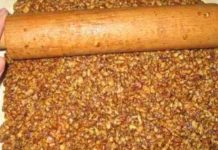




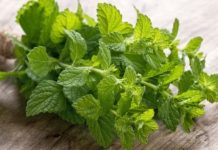
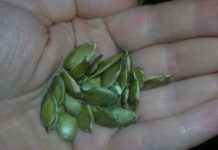







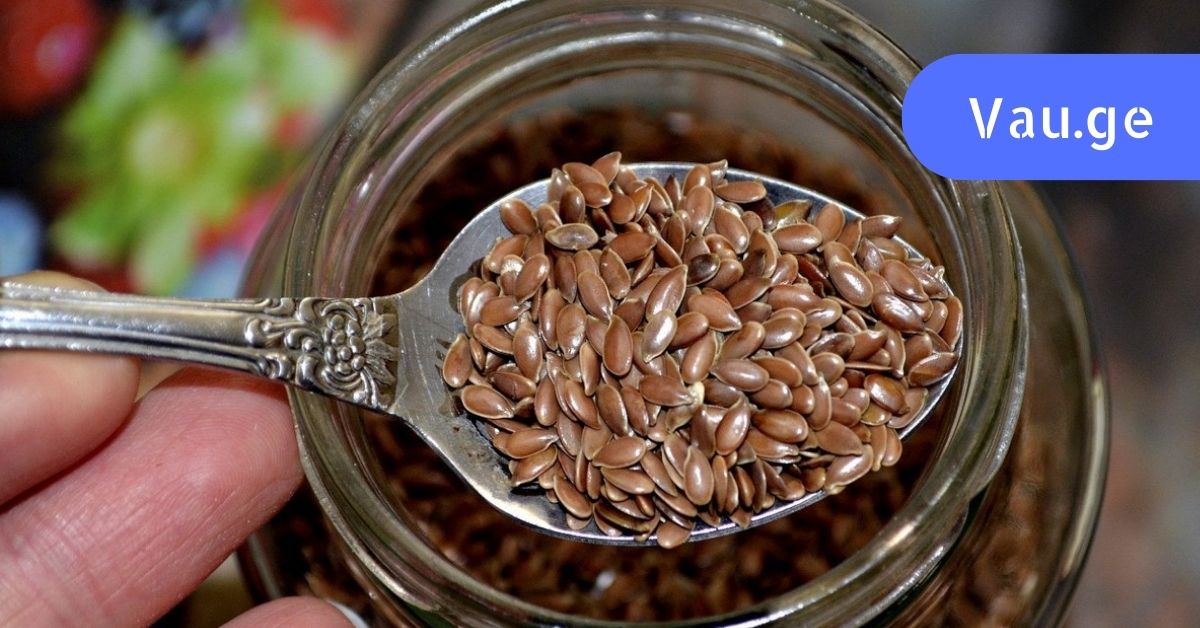
This method of intestinal cleansing with flaxseeds helps normalize the function of the entire gastrointestinal tract. In fact, it’s more healing than merely cleansing.
Recipe:
- 100 grams of flaxseeds
- Grind them in a coffee grinder
- Add 250 grams of cold-pressed unrefined sunflower oil
- Let the mixture sit for 7 days, shaking occasionally
How to Use:
- Take 1 tablespoon, 3 times per day, 40–60 minutes before meals
- Always shake before use to mix the oil and seeds evenly
- Use the mixture with the seeds (do not strain)
- The course lasts 10 days
You’ll start seeing results by day 6, though for some it may take a little longer.
During the treatment, your diet should be primarily plant-based and include fish. Avoid flour and refined sugar; replace sugar with sweet fruits or honey.
Note: If you have cholecystitis, only take the remedy during meals.
Contraindications:
Do not use flaxseed oil infusion if you have chronic pancreatitis, hepatitis, or an active phase of gallstone disease.
In such cases, prepare the infusion with water instead.
Water-Based Flaxseed Infusion (for sensitive cases):
- Add 1 teaspoon of flaxseeds to 1 cup of boiling water
- No need to grind the seeds
- Let it sit for 2 hours, or better yet, leave it in a thermos for a full day
Drink 1 glass daily, without straining—swallow the seeds too, for 2–3 weeks.
Optional Herbal Support During Oil-Based Detox:
Make a tea with the following herbs:
- St. John’s wort
- Chamomile
- Nettle
- Wormwood
Mix equal parts of each herb. Use 1 tbsp of the blend per 1 cup of boiling water, steep for 1 hour.
Drink 100 ml, three times a day, 1 hour before meals, for 7–10 days.
Benefits and Mechanism of Action:
Flaxseed has the following properties:
- Laxative
- Cleansing
- Expectorant
- Soothing
- Anti-inflammatory
- Protective mucus production
In the intestines, flaxseeds don’t break down quickly and stimulate peristalsis, helping move food along the digestive tract.
The seed coat contains linamarin, which enhances secretory and motor function of the gut.
When soaked or digested, flaxseeds release mucus that adheres to and protects mucosal linings from irritation. This is why it’s also used for gastritis, colitis, kidney and bladder inflammation, and even bronchitis.
Flax is also used to make Lintex, a medical product for treating atherosclerosis and various skin injuries.
Why Use Sunflower Oil?
Cold-pressed sunflower oil is rich in unsaturated fatty acids, helps reduce cholesterol, and increases blood phospholipids—which is why it’s used in atherosclerosis prevention.
It soothes smooth muscles, lowers body temperature, and has a mild expectorant effect.
When flaxseed mucus coats your GI tract, sunflower oil moisturizes tissues, relieves spasms, and delivers essential fats. This allows food to move like clockwork, while flax gently stimulates intestinal contractions and absorbs harmful substances—easing the liver’s workload.
Conclusion:
Flaxseed with sunflower oil improves gastrointestinal function, cleanses the body, and supports liver health.
But due to the choleretic (bile-stimulating) properties of sunflower oil, do not use this method during gallstone flare-ups.
Wishing you vibrant health and a strong digestive system!