








Cystitis is a condition many women encounter at least once in their lives, yet few are prepared for how disruptive it can be. I was twenty-seven years old when I first experienced it. I considered myself knowledgeable about my health and careful in everyday life, yet uncomfortable urinary symptoms appeared shortly after returning from my honeymoon.
At first, I believed the condition was caused by catching a cold. Later, I learned that what I experienced is often referred to as “honeymoon cystitis” and is not necessarily related to exposure to cold. Understanding this helped explain why the symptoms returned even when I tried to be careful.
Cystitis During Pregnancy and Limited Options
Soon after, I became pregnant. While this brought joy, it also complicated my situation. During the first trimester, I was advised to avoid most medications unless absolutely necessary. As the familiar discomfort returned, I found myself searching for gentle, non-aggressive ways to support my condition.
This led me to explore traditional herbal practices. I did not stop listening to medical advice, nor did I replace professional care. Instead, I searched for folk remedies that had been used historically for urinary comfort.
Why Folk Remedies Are Often Remembered for Cystitis
In traditional medicine, cystitis was often approached with plants believed to support the urinary system. These remedies were not seen as cures, but as supportive measures that could help ease discomfort and promote balance when used carefully.
What appealed to me most was that many of these methods emphasized short courses, moderation, and rest. This aligned with the advice I received from healthcare professionals about avoiding excessive or prolonged interventions.
Rosehip Root Infusion in Traditional Practice
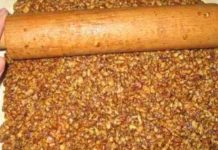
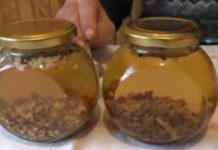
One of the first remedies I tried involved rosehip root. In folk practice, rosehip has long been associated with supporting urinary and immune health. The root is traditionally prepared by boiling and allowing it to steep, creating a concentrated infusion.
This infusion was consumed before meals for a limited period. The focus was on consistency rather than intensity, and it was used for no more than two weeks.
Yarrow as a Gentle Support
Another plant often mentioned in folk remedies is yarrow. Traditionally, yarrow infusions were used for their calming properties and for supporting various inflammatory discomforts.
Prepared by steeping the herb in hot water, this infusion was taken in small amounts before meals for a short course. As with other remedies, moderation was emphasized.
Chamomile and Horsetail in Traditional Blends
Chamomile and horsetail are commonly paired in folk medicine. Chamomile is traditionally associated with soothing effects, while horsetail is linked to supporting urinary balance.
The infusion made from these plants was gently boiled and then allowed to rest before use. This blend was taken before meals and used for a limited duration, reflecting the traditional caution around prolonged herbal use.
Parsley Seed and Bearberry in Folk Knowledge
Parsley seed and bearberry have a long history in traditional urinary care. In folk practice, they were often prepared using a cold infusion followed by brief boiling. This method was believed to preserve the plants’ properties while making them easier to tolerate.
This preparation was consumed throughout the day for about a week, always with attention to how the body responded.
Celery Root in Everyday Support
Celery root appears frequently in traditional diets and remedies. In folk practice, both the cooked root and its broth were used to support hydration and urinary comfort.
Rather than acting quickly, celery-based preparations were consumed gradually throughout the day. This slow approach was considered important for gentle support.
Plantain and Horsetail Evening Infusion
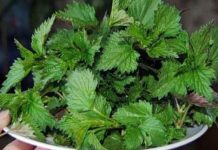
A final remedy I tried involved plantain leaves combined with horsetail. This infusion was traditionally taken warm in the evening, creating a calming routine before rest.
Evening use was believed to help the body relax and support overnight balance.
What These Experiences Taught Me
None of these remedies worked instantly. Relief came gradually, alongside rest, hydration, and careful attention to my body’s signals. What mattered most was respecting limits and stopping any method that caused discomfort.
Cystitis taught me that listening to the body and combining traditional knowledge with medical guidance is essential.
A Responsible Perspective on Cystitis and Herbal Methods
Cystitis can have different causes, including bacterial infections that require medical treatment. Folk remedies should never replace professional diagnosis or prescribed therapy.
Anyone experiencing recurring symptoms, fever, or pain should consult a healthcare provider promptly. Herbal methods are best viewed as complementary support rather than treatment.
Final Thoughts
My experience with cystitis did not lead to a miracle cure, but it taught me patience and awareness. Traditional herbal methods helped me feel more involved in my own care during a time when medical options were limited.
Used responsibly and with guidance, folk practices can become part of a supportive routine. True relief comes from balance, consistency, and respect for both tradition and modern medicine.
Vau.ge – Your Daily Guide for Practical Advice!
Vau.ge is a place where caring for your health, beauty, and daily routines becomes a natural, accessible, and enjoyable experience. Our main goal is to provide you with reliable information about natural remedies, homemade recipes, and practical tips that help you live a healthier life, look better, and simplify your everyday tasks without unnecessary expenses.
Our tips are easy to incorporate into your everyday life — whether it’s skincare, haircare, health-boosting remedies, or small tricks to save time. This knowledge will not only improve your own life but also allow you to share the experience with others, giving more people the chance to live a balanced life naturally and economically.
Please note: The articles on our website are for informational purposes only and do not replace professional medical advice. If you have serious health concerns, please consult a qualified specialist.