












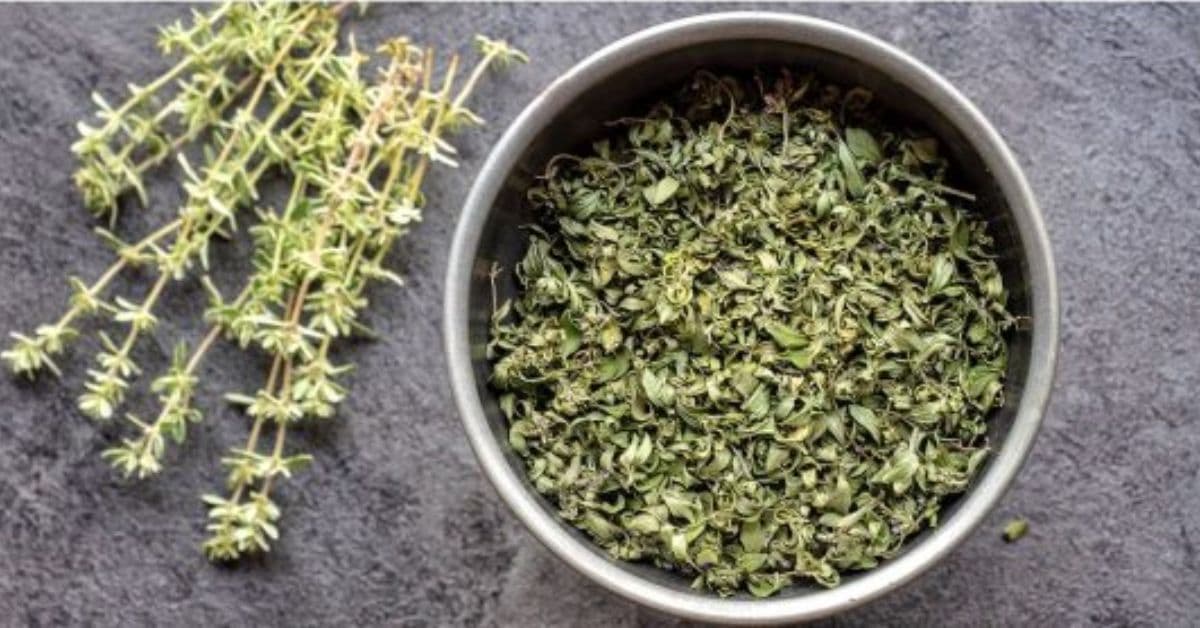
Long before modern pharmacies existed, people relied on plants they could grow, gather, and trust. These natural remedies were passed down quietly from generation to generation, often without books or laboratories — only experience. Among those enduring plants, thyme has held a special place for centuries.
At first glance, thyme seems modest. It is small, fragrant, and often associated with cooking rather than healing. Yet its unmistakable aroma hints at something deeper. For thousands of years, this herb has been valued not only for flavor, but for the way it supported the body during challenging seasons and periods of weakness.
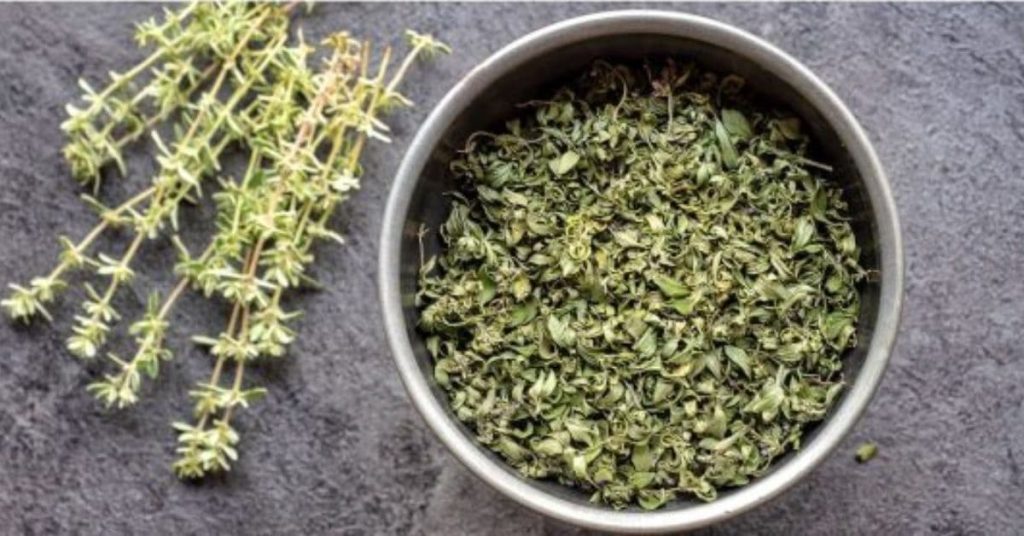
Ancient civilizations paid close attention to thyme. The Greeks burned it in temples, believing it purified the air and strengthened inner vitality. Even the origin of its name, derived from the Greek word thymos, is associated with energy, spirit, and courage. While ancient people lacked scientific tools, their observations were often surprisingly accurate.
A Plant Rooted in Experience, Not Promises
In traditional households, thyme was never seen as a miracle cure. Instead, it was valued as a reliable companion — something to turn to when the body felt run down, the airways felt heavy, or recovery took longer than expected.
Across different cultures, thyme was commonly used during colder months, especially when coughs, congestion, and fatigue were more common. It was prepared as a tea, added to steam, or used externally in warm compresses. These practices were based on experience rather than guarantees, which is why thyme earned trust over time.
Modern researchers now study thyme’s natural compounds, not to confirm ancient myths, but to better understand why people found it helpful in everyday life.
Why Thyme Is Often Associated with Respiratory Comfort
One of the most well-known traditional uses of thyme relates to breathing and chest comfort. When the airways feel tight or irritated, warm thyme infusions were often used to bring relief and calm.
Folk traditions describe thyme as a plant that helps loosen mucus, supports natural coughing processes, and creates a soothing sensation in the throat. For this reason, it was commonly prepared during seasonal discomforts, long-lasting coughs, or after exposure to cold, damp weather.
Today, scientists are particularly interested in thyme’s aromatic oils. These oils give the plant its distinctive scent and are believed to play a role in how thyme interacts with the respiratory system. This has led to thyme being included in many modern herbal blends designed to support breathing comfort — not as a replacement for medicine, but as a complementary, supportive option.
Traditional Support for Energy and Recovery
Beyond the lungs, thyme has long been associated with regaining strength. In many families, thyme tea was offered to people recovering from illness, emotional strain, or long periods of exhaustion.
The warmth of the tea, combined with its aroma, was believed to help the body relax while gently restoring energy. Traditional use often focused on balance rather than stimulation — supporting circulation, encouraging appetite, and helping the body feel steady again.
Some traditions also associated thyme with mental clarity and focus, especially during times of stress or low motivation. Even today, many people notice that the scent of thyme feels grounding and refreshing, which may explain why it has remained popular in both kitchens and herbal cabinets.
What Makes Thyme Interesting to Modern Research
One compound that frequently appears in discussions about thyme is thymol. Thymol is a naturally occurring component found in thyme’s essential oil, and it has drawn scientific interest for its antiseptic and protective properties.
Researchers study thymol to understand how plants naturally defend themselves against microbes. This does not mean thyme replaces medical treatment, but it does help explain why it was traditionally used in environments where cleanliness and air quality mattered.
Historically, thyme was sometimes burned or diffused indoors, especially during times when fresh air and sanitation were limited. While modern hygiene standards are very different, the plant’s aromatic properties continue to be appreciated in natural cleaning products and wellness practices.
External and Household Uses Through History
Thyme was not only consumed internally. It was also used externally in various ways. Warm compresses infused with thyme were applied to tired muscles or stiff joints, while diluted preparations were used to cleanse small skin irritations.
In homes, thyme played a role in maintaining a sense of freshness. Its scent was associated with cleanliness and comfort, which is why it appeared in soaps, oils, and household remedies long before commercial products existed.
These practices highlight an important point: thyme was never about dramatic results. It was about everyday care and support.
Simple Ways Thyme Is Traditionally Used Today
Many people still enjoy thyme in gentle, practical ways. A warm cup of thyme tea remains popular during cold seasons or after long, tiring days. Steam inhalation with thyme is sometimes used for comfort when breathing feels heavy. Others appreciate thyme as part of aromatherapy or herbal baths.
These uses are generally mild and intended to support well-being rather than treat disease. As with all herbs, moderation matters, and concentrated forms such as essential oils should always be used carefully and diluted properly.
A Note on Safety and Balance
It is important to approach all natural remedies with realistic expectations. Thyme is a plant with a long history, but history does not replace professional medical advice. Individual reactions can vary, and anyone with ongoing health concerns should consult a qualified healthcare provider.
This article is intended for informational purposes only and reflects traditional use and general research interest — not medical claims or treatment recommendations.
Why Thyme Still Matters Today
In a world filled with fast solutions and synthetic products, thyme represents something slower and more grounded. It reminds us that well-being is often built through small, consistent practices rather than dramatic interventions.
Tiny in size but rich in history, thyme continues to earn its place in modern homes — not as a miracle, but as a trusted, time-tested herb that connects past wisdom with present curiosity.
Vau.ge – Your Daily Guide for Practical Advice!
Vau.ge is a place where caring for your health, beauty, and daily routines becomes a natural, accessible, and enjoyable experience. Our main goal is to provide you with reliable information about natural remedies, homemade recipes, and practical tips that help you live a healthier life, look better, and simplify your everyday tasks without unnecessary expenses.
Our tips are easy to incorporate into your everyday life — whether it’s skincare, haircare, health-boosting remedies, or small tricks to save time. This knowledge will not only improve your own life but also allow you to share the experience with others, giving more people the chance to live a balanced life naturally and economically.
Please note: The articles on our website are for informational purposes only and do not replace professional medical advice. If you have serious health concerns, please consult a qualified specialist.