













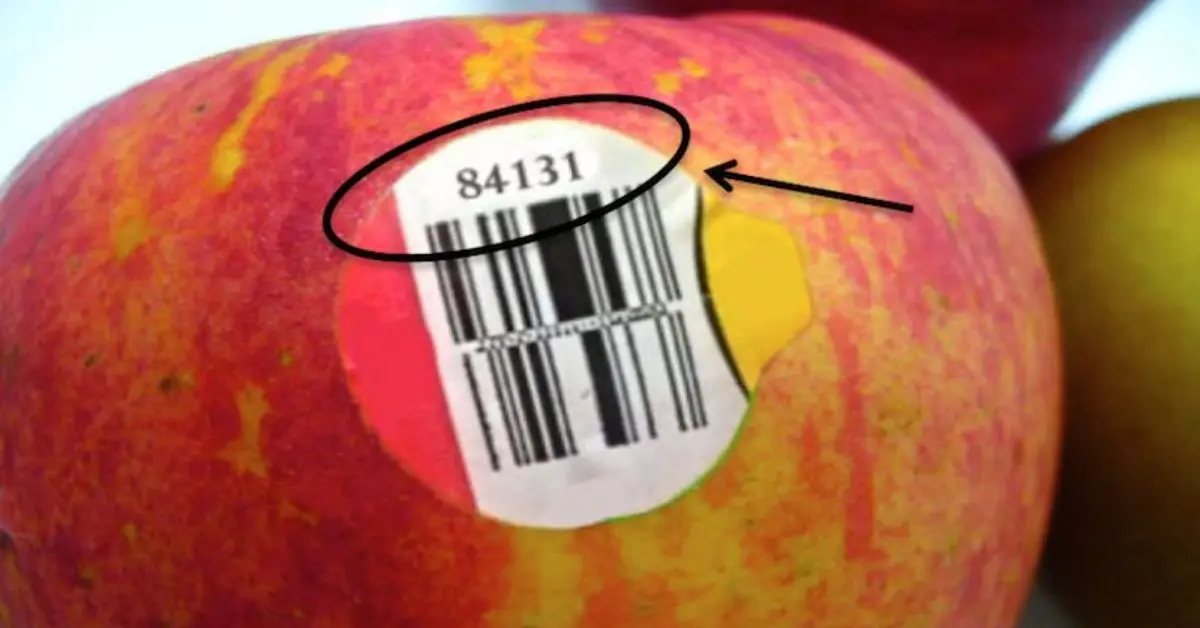
Some warnings on the internet sound exaggerated, but this is one of those rare cases where a small detail can genuinely help you make smarter shopping decisions.
Most people see the tiny sticker on fruit as nothing more than a price tag. In reality, that label usually contains a PLU (Price Look-Up) code — a simple system used by retailers worldwide to identify fresh produce quickly at checkout. While its primary function is operational, understanding how these codes work can remove a lot of confusion and prevent common misconceptions.
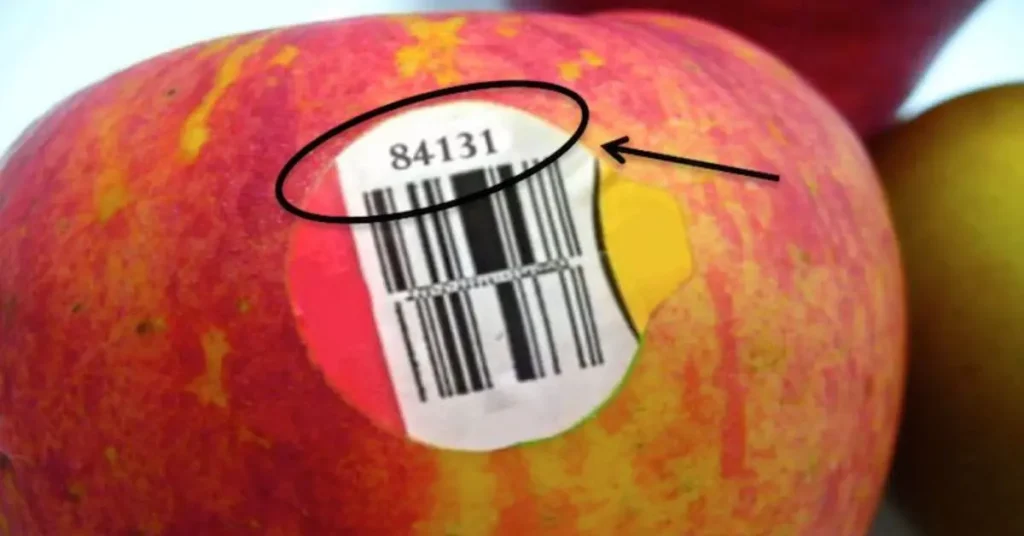
Over the years, countless viral posts have claimed that PLU codes reveal hidden dangers, chemical treatments, or even complex production secrets. The truth is much simpler — and far less alarming.
The Tiny Sticker That Serves a Practical Purpose
PLU codes have been part of retail systems for decades. Their main role is to help cashiers and inventory systems recognize produce items without manual input. Instead of typing full product names, staff can enter a short numeric code that instantly identifies the item.
These stickers are not government safety labels, nor are they detailed agricultural reports. They exist primarily for efficiency and standardization inside retail environments.
Still, certain patterns within the PLU system have led consumers to pay closer attention.
What a PLU Code Actually Represents
A PLU code is typically a four-digit number assigned to a specific type of produce. For example, many common fruits and vegetables share standardized identifiers that remain consistent across stores and countries.
Importantly, the digits themselves do not encode detailed information about pesticides, chemicals, or farming practices. They function as identifiers, not analytical descriptions.
However, one commonly recognized variation does exist.
The Most Useful Distinction for Shoppers
In retail practice, a five-digit PLU code beginning with the number 9 is widely used to indicate the organic version of a conventional product.
For instance:
A conventional banana may carry a four-digit code.
The organic version of the same banana may use the same digits with a 9 placed at the beginning.
This is one of the few consistent interpretations that shoppers can rely on without falling into speculation.
Common Myths That Cause Confusion
Many internet articles claim special meanings for other PLU prefixes, suggesting that certain digits represent irradiation, genetic modification, or chemical processing. These interpretations are often outdated or oversimplified.
In reality, most PLU numbers simply identify the product itself. Outside of the commonly used organic prefix, additional conclusions about safety or production methods should not be made solely from the code.
PLU codes are retail tools, not health warnings.
When There Is No Sticker
Consumers sometimes become suspicious when produce lacks a PLU sticker. In many cases, this is completely normal.
Some fruits and vegetables are too small or irregular for labels. Others display PLU information on shelf signage rather than individual items. Local markets may use different labeling systems, and packaged produce may rely on barcodes instead.
Absence of a sticker does not automatically signal a problem.
A Practical Way to Use PLU Codes
For everyday shopping, the most reasonable approach is simple:
Notice the PLU code if present. If the code contains five digits and begins with 9, the item is being sold as organic. Four-digit codes typically represent conventional produce.
Beyond that, shoppers should rely on trusted retailers, proper handling, freshness, and correct washing practices rather than drawing dramatic conclusions from sticker numbers.
The Bigger Picture
PLU codes are designed for retail efficiency, not consumer investigation. While they can offer small hints in specific contexts, they should be viewed as helpful identifiers rather than definitive indicators of quality or safety.
Smart shopping decisions are best based on multiple factors — product appearance, storage conditions, reputation of the seller, and general food safety habits.
Final Thought
The small sticker on fruit is not a hidden warning system, nor is it meaningless. It is simply a retail shorthand that can occasionally provide useful context when understood correctly.
Instead of fearing PLU codes or attributing exaggerated meanings to them, treat them as practical information — one small piece of a much larger picture.
Vau.ge – Your Daily Guide for Practical Advice!
Vau.ge is a place where caring for your health, beauty, and daily routines becomes a natural, accessible, and enjoyable experience. Our main goal is to provide you with reliable information about natural remedies, homemade recipes, and practical tips that help you live a healthier life, look better, and simplify your everyday tasks without unnecessary expenses.
Our tips are easy to incorporate into your everyday life — whether it’s skincare, haircare, health-boosting remedies, or small tricks to save time. This knowledge will not only improve your own life but also allow you to share the experience with others, giving more people the chance to live a balanced life naturally and economically.
Please note: The articles on our website are for informational purposes only and do not replace professional medical advice. If you have serious health concerns, please consult a qualified specialist.