















10 Warning Signs Your Body Should Never Ignore: When to Seek Medical Advice
Concerns about serious illnesses naturally create anxiety, and few words carry as much emotional weight as “cancer.” In public discussions and across the internet, people often encounter lists of symptoms that are presented as definitive indicators of dangerous disease. However, responsible health communication requires a more careful and evidence-aware approach.
Cancer is not a single condition but a broad group of diseases with diverse causes, behaviors, and clinical presentations. Many symptoms commonly mentioned in popular articles are non-specific, meaning they may appear in numerous harmless or temporary conditions. At the same time, persistent or unusual changes in the body should never be dismissed.
Rather than encouraging fear, this article aims to highlight general warning signs that justify medical attention — without suggesting that any single symptom automatically indicates cancer.
Why Symptoms Alone Rarely Tell the Full Story
Human physiology is complex. Fatigue, discomfort, or changes in bodily functions often have ordinary explanations such as stress, infections, nutritional imbalances, or benign medical conditions. This is why physicians do not rely on symptoms alone but instead consider medical history, physical examinations, imaging, and laboratory tests.
Still, early consultation plays a crucial role in preventive healthcare. When something feels persistently “not right,” professional evaluation is always the safest path.
Shortness of Breath That Persists or Worsens
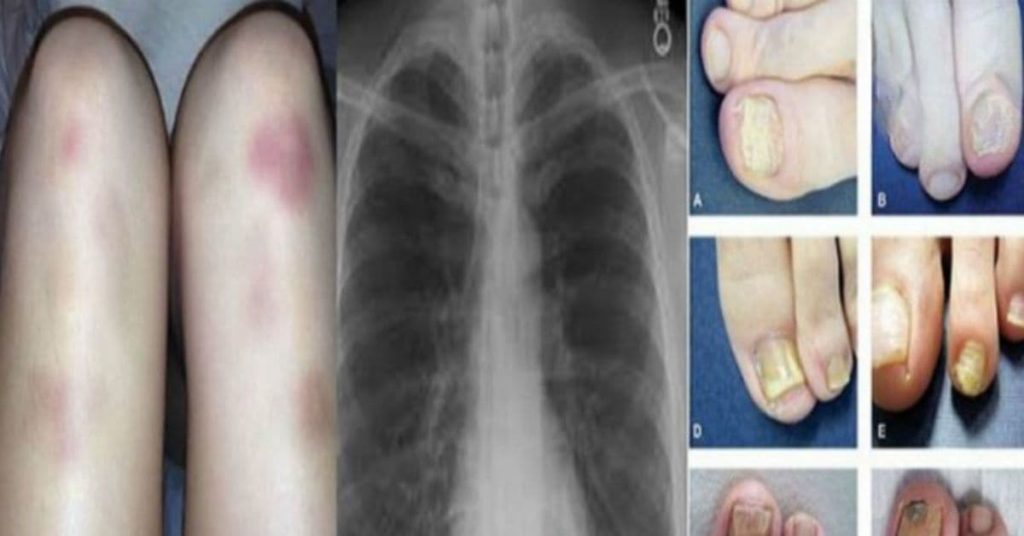
Occasional breathlessness can occur during exercise, anxiety, or respiratory infections. However, unexplained or progressive shortness of breath deserves attention, particularly when it interferes with daily activities.
Respiratory issues may stem from many causes, including asthma, cardiovascular conditions, infections, or other lung-related disorders. Only medical assessment can determine the origin.
Chronic Cough or Chest Discomfort
A cough that lingers for weeks may be associated with allergies, post-viral irritation, reflux, or airway sensitivity. Chest discomfort can also have various explanations, ranging from muscular tension to inflammatory conditions.
What matters most is duration and change. Symptoms that do not resolve as expected, or that intensify over time, should be evaluated.
Frequent or Recurrent Infections
Repeated infections may simply reflect environmental exposure, seasonal factors, or temporary immune fluctuations. In some cases, they may indicate underlying health conditions affecting immune function.
While internet sources sometimes link this symptom directly to severe diseases, the reality is far more nuanced. Persistent patterns warrant discussion with a healthcare professional.
Difficulty Swallowing or Persistent Throat Sensations
Temporary swallowing discomfort often accompanies common infections or irritation. However, ongoing difficulty swallowing, a sensation of obstruction, or unexplained pain should never be ignored.
Such symptoms may relate to inflammation, reflux, structural changes, or other conditions requiring diagnosis.
Noticeable Changes in Lymph Nodes
Lymph nodes commonly enlarge during infections, which is a normal immune response. Swollen nodes that persist, grow, or appear without clear cause may require clinical evaluation.
Medical professionals assess characteristics such as size, consistency, and duration before drawing conclusions.
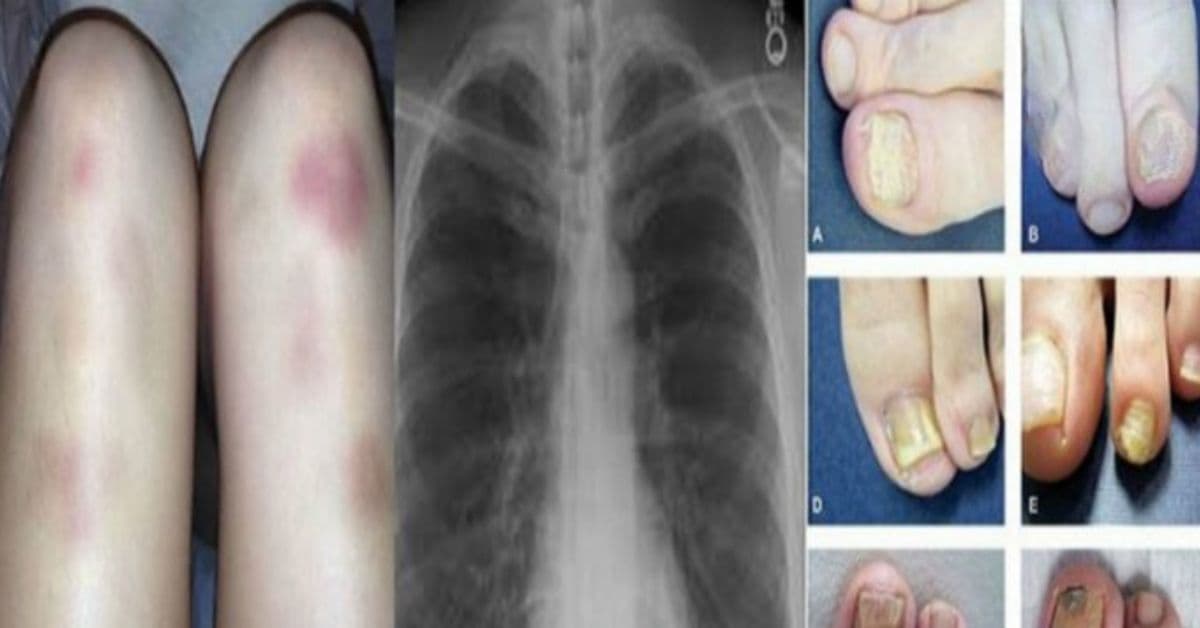
Unusual or Excessive Bruising
Bruising can result from minor injuries that go unnoticed. Some individuals naturally bruise more easily due to skin sensitivity or medication effects.
However, unexpected or frequent bruising without clear explanation is a reasonable reason to consult a physician, as it may relate to blood or vascular factors.
Persistent Pelvic or Abdominal Discomfort
Digestive disturbances, muscular tension, and hormonal factors frequently cause abdominal or pelvic discomfort. Yet pain that is persistent, unexplained, or progressively worsening should be assessed.
Early evaluation helps rule out both minor and more significant conditions.
Blood in Stool or Rectal Bleeding
This is one symptom that should always be taken seriously. Although benign causes such as hemorrhoids or irritation are common, any unexplained bleeding requires medical attention.
Timely examination is critical for accurate diagnosis.
Rapid or Unintentional Weight Loss
Weight fluctuations can occur due to dietary changes, stress, metabolic factors, or increased activity. Still, significant unintentional weight loss without lifestyle explanation should prompt medical consultation.
Physicians consider numerous potential causes, most of which are not cancer-related.
Visible Changes in Nails or Skin Pigmentation
Alterations in nail color, texture, or skin pigmentation are often harmless. Trauma, fungal infections, nutritional factors, or aging frequently explain such changes.
Nevertheless, new, unusual, or evolving changes should be reviewed by a qualified professional, particularly if accompanied by other symptoms.
The Importance of Context and Persistence
One of the most critical principles in medicine is that patterns matter more than isolated sensations. Duration, progression, and combinations of symptoms provide far more useful information than single observations.
This is why self-diagnosis based on online lists is unreliable and potentially harmful.
Frequently Asked Questions
- Do these symptoms mean someone has cancer?
No. Most of these signs are common in many non-serious conditions. They are discussed as reasons to seek medical advice, not as diagnoses.
- Why do many articles present symptoms so dramatically?
Attention-grabbing headlines often oversimplify medical reality. Responsible interpretation requires recognizing that symptoms are rarely disease-specific.
- When should someone be concerned?
Concern is reasonable when symptoms are persistent, worsening, unusual, or unexplained. In such cases, professional evaluation is appropriate.
- Is early consultation really important?
Yes. Early medical assessment can identify minor issues, provide reassurance, or detect conditions that benefit from timely treatment.
- Can lifestyle factors influence these symptoms?
Absolutely. Stress, sleep patterns, nutrition, infections, and environmental factors frequently produce similar effects.
Final Thoughts: Awareness Without Fear
Health awareness is valuable, but fear-driven interpretation is not. The human body frequently produces temporary signals that resolve naturally. At the same time, persistent or unexplained changes deserve attention.
The safest and most rational response to concerning symptoms is simple: consult a qualified healthcare professional.
Balanced information protects both physical and mental well-being — far more effectively than alarmist conclusions.
Vau.ge – Your Daily Guide for Practical Advice!
Vau.ge is a place where caring for your health, beauty, and daily routines becomes a natural, accessible, and enjoyable experience. Our main goal is to provide you with reliable information about natural remedies, homemade recipes, and practical tips that help you live a healthier life, look better, and simplify your everyday tasks without unnecessary expenses.
Our tips are easy to incorporate into your everyday life — whether it’s skincare, haircare, health-boosting remedies, or small tricks to save time. This knowledge will not only improve your own life but also allow you to share the experience with others, giving more people the chance to live a balanced life naturally and economically.
Please note: The articles on our website are for informational purposes only and do not replace professional medical advice. If you have serious health concerns, please consult a qualified specialist.