



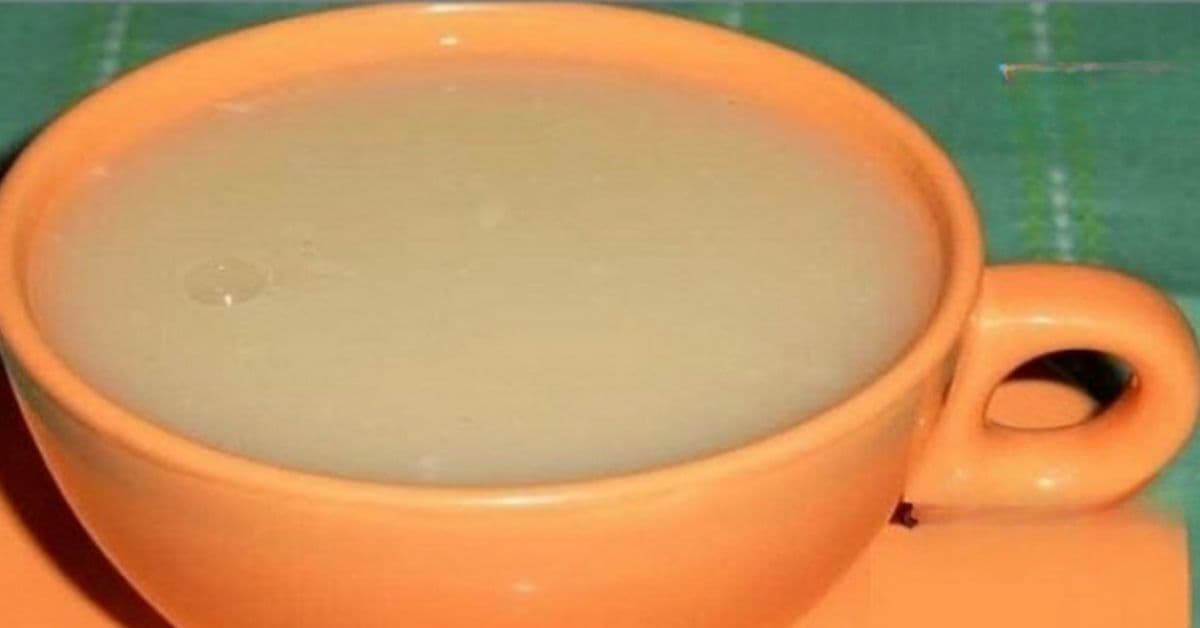
Oats have long been associated with traditional nutrition, comfort foods, and home-style recipes that appear repeatedly across cultures. While modern dietary trends continuously change, oats remain one of those rare ingredients that never fully disappear from public interest. They are inexpensive, widely available, and often perceived as gentle on the digestive system.
Among the countless recipes shared over the years, certain mixtures built around oats, milk, and honey continue to attract attention. These formulations are typically described not as luxury health products but as simple kitchen traditions — the type of preparation that older generations frequently mention when discussing energy, warmth, or general nourishment.
Yet as with many popular home recipes, it is important to distinguish between cultural enthusiasm and medically validated outcomes.
Why Oats Hold Such a Strong Reputation
Oats are nutritionally dense grains containing fiber, carbohydrates, and various micronutrients. Their composition contributes to satiety, making them common in breakfast meals and long-lasting energy discussions. Unlike heavily processed foods, oats often retain an image of simplicity and natural origin.
Because of this, oats frequently appear in conversations about digestive comfort, sustained fullness, and balanced eating patterns. Their mild taste and versatility also make them easy to combine with other ingredients.
However, describing any single food as universally curative oversimplifies human biology.
The Appeal of Traditional Health Recipes
Recipes built around everyday ingredients often gain credibility because they feel familiar and safe. When a mixture contains items typically found in most kitchens, it naturally appears less intimidating than pharmaceutical products or complex dietary protocols.
Milk and honey, for instance, carry strong symbolic associations. Milk is linked to nourishment, while honey is widely discussed in relation to flavor, texture, and historical dietary use. Together with oats, they create combinations that feel both comforting and practical.
This emotional dimension partly explains why such mixtures remain popular.
A Frequently Shared Oat-Based Preparation
One commonly circulated version of an oat mixture involves sequential cooking steps with water, milk, and honey. Variations exist, but the core concept usually remains similar.
People often describe the preparation in a format resembling the following:
- Oats are first simmered in water to soften texture and alter consistency.
- After cooling, the mixture may be reheated with milk.
- Honey is sometimes added for taste and additional sweetness.
- The final result resembles a warm, porridge-like drink or soft meal.
These instructions represent traditional culinary practice rather than medical prescription.
Why Such Mixtures Feel “Restorative”
Warm, carbohydrate-rich foods naturally provide energy because they supply readily available fuel. When combined with milk and honey, the caloric density increases further, potentially creating sensations of warmth and fullness.
Psychological factors also play a role. Comfort foods frequently trigger positive emotional responses, which can influence perceived well-being. Feeling better after consuming a familiar preparation does not necessarily imply specific therapeutic effects — but the experience itself remains meaningful.
Separating Perception From Physiology
While oats are undoubtedly nutritious, claims suggesting that a single mixture can restore health in severe illness lack scientific grounding. Human health outcomes depend on complex interactions involving genetics, medical conditions, lifestyle patterns, and evidence-based interventions.
No household recipe functions as a universal remedy.
Nonetheless, such preparations may still serve as satisfying, nutrient-containing meals within balanced diets.
Why Extreme Health Claims Persist Online
The internet rewards dramatic narratives. Headlines promising extraordinary results attract attention far more effectively than cautious explanations. Over time, repetition transforms speculation into perceived truth.
Yet responsible health communication requires careful framing. Nutrition can support well-being, but it does not replace diagnosis or treatment.
Where Oats Fit Realistically in Diet Discussions
Oats are widely studied for their fiber content and role in general dietary quality. They are often included in balanced eating patterns emphasizing whole foods. Their benefits are typically discussed in broad nutritional contexts rather than disease-specific cures.
Consistency, variety, and moderation remain key themes.
A Balanced Interpretation
Traditional recipes may offer comfort, routine, and nutritional value. These are legitimate advantages. However, expectations should remain aligned with evidence-based understanding.
Food supports the body — it does not override medical reality.
✅ FAQ Section (Discover-Optimized)
- Are oats considered a healthy food?
Oats are commonly included in balanced diets due to their fiber and nutrient content. Their role is nutritional rather than medicinal.
- Can oat mixtures cure diseases?
There is no reliable scientific evidence supporting universal curative claims. Medical conditions require professional evaluation.
- Why do oat-based meals feel energizing?
Oats provide carbohydrates, which the body uses for energy. Warm meals may also contribute to perceived comfort.
- Is honey medically therapeutic in such recipes?
Honey is primarily a natural sweetener. Its inclusion mainly affects taste and caloric content.
- Should such mixtures replace medical treatment?
No. Nutrition complements health but does not substitute clinical care.
Vau.ge – Your Daily Guide for Practical Advice!
Vau.ge is a place where caring for your health, beauty, and daily routines becomes a natural, accessible, and enjoyable experience. Our main goal is to provide you with reliable information about natural remedies, homemade recipes, and practical tips that help you live a healthier life, look better, and simplify your everyday tasks without unnecessary expenses.
Our tips are easy to incorporate into your everyday life — whether it’s skincare, haircare, health-boosting remedies, or small tricks to save time. This knowledge will not only improve your own life but also allow you to share the experience with others, giving more people the chance to live a balanced life naturally and economically.
Please note: The articles on our website are for informational purposes only and do not replace professional medical advice. If you have serious health concerns, please consult a qualified specialist.