








Nail Fungus Is Harder to Ignore Than You Think – Simple Everyday Products People Commonly Use
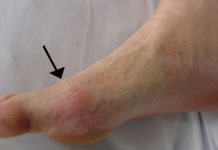
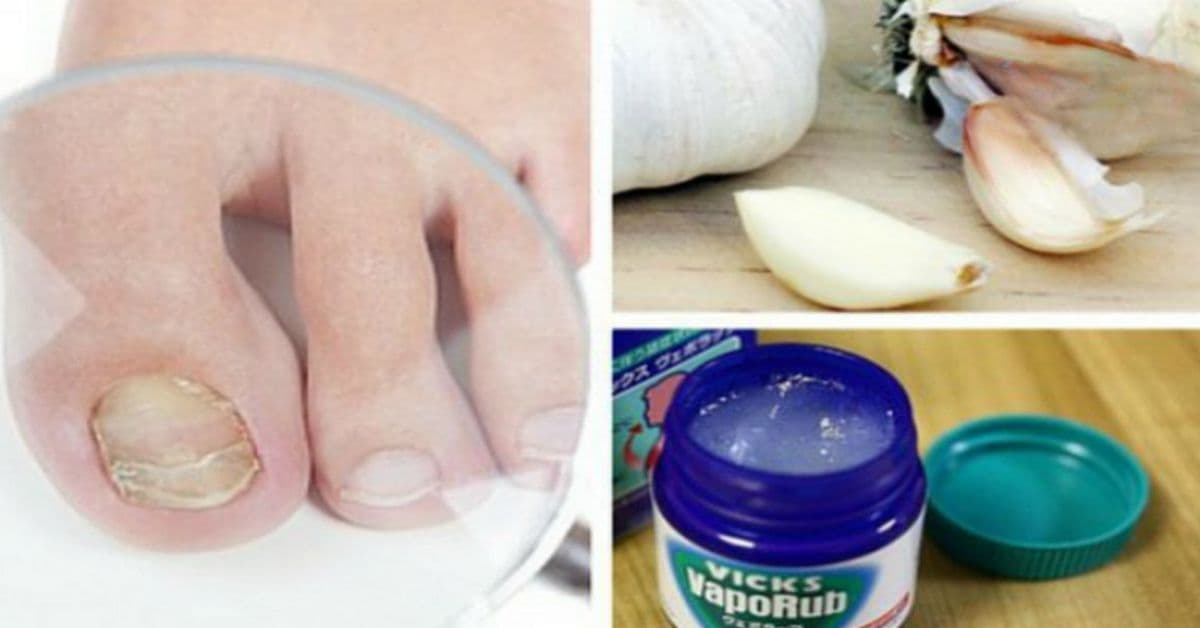
Nail fungus is often treated as a minor cosmetic nuisance, yet for many individuals it becomes a persistent and frustrating condition that refuses to disappear quickly. Discoloration, thickening, brittleness, and changes in nail texture are not just visual concerns — they may signal an underlying fungal infection known medically as onychomycosis.
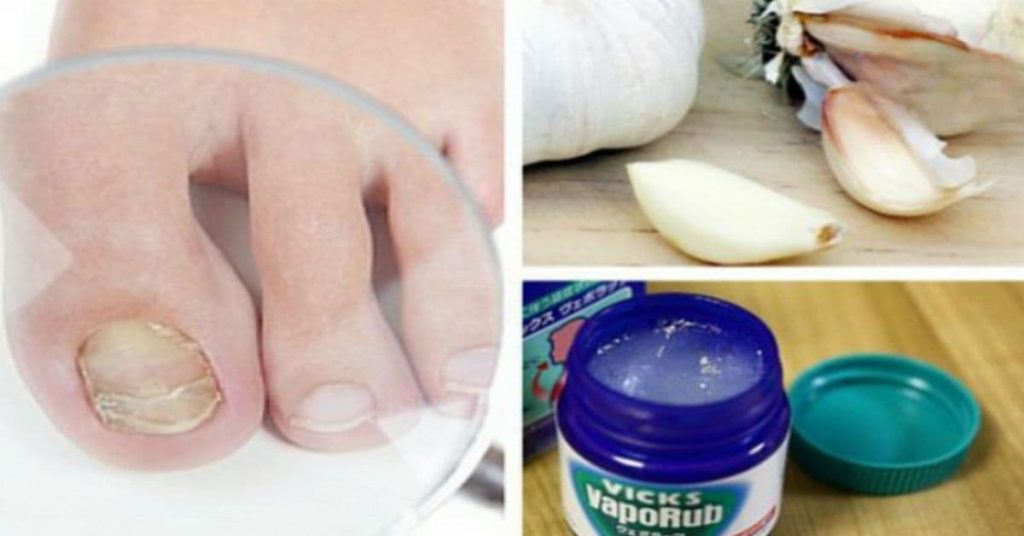
Despite how common the condition is, nail fungus is frequently misunderstood. Some people ignore it for months, assuming it will resolve on its own, while others experiment with various home approaches hoping for rapid improvement. The reality is usually less dramatic. Fungal nail infections are typically slow-developing and slow-responding, requiring consistency, patience, and realistic expectations.
Why Nail Fungus Is So Common
Fungal organisms thrive in environments that humans encounter daily. Warmth, moisture, reduced ventilation, and repeated exposure to enclosed footwear create conditions where fungi can survive and multiply. This helps explain why toenails are more frequently affected than fingernails.
Public spaces such as gyms, swimming pools, locker rooms, and shared showers may also increase exposure. Minor nail trauma, tight shoes, excessive sweating, and weakened nail barriers can further contribute to susceptibility.
Importantly, nail fungus does not necessarily reflect poor hygiene. Even individuals with careful self-care routines may develop fungal infections.
Why Treating Nail Fungus Can Be Challenging
Unlike many short-term skin irritations, fungal nail infections involve structures that grow slowly. Nails regenerate gradually, meaning visible changes often persist even when fungal activity decreases. This delayed response leads many people to abandon treatment prematurely.
Additionally, not every nail abnormality is fungal in nature. Psoriasis, trauma, nutrient deficiencies, and other dermatological conditions may mimic fungal symptoms. Proper diagnosis by a healthcare professional is therefore essential before assuming any treatment path.
Home Approaches People Frequently Discuss
Interest in household remedies remains high because of accessibility and cost considerations. Many individuals explore everyday products that are widely available, although scientific support for these methods varies considerably.
Below are several products commonly mentioned in self-care discussions. These examples illustrate popular practices rather than guaranteed medical solutions.
- Apple Cider Vinegar
Apple cider vinegar is frequently associated with its acidic properties. Some individuals believe acidic environments may be less favorable for fungal growth. Typical usage involves diluting vinegar with water and soaking affected areas. While anecdotal reports exist, clinical evidence remains limited, and results vary widely. - Garlic
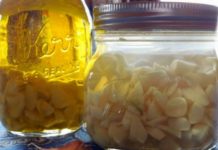
Garlic has long been studied for its biologically active compounds. Certain laboratory studies suggest antimicrobial characteristics, which has encouraged experimentation in home care contexts. Crushed garlic is sometimes applied topically or added to warm water soaks. However, skin irritation may occur, and effectiveness for nail fungus specifically is not definitively established. - Plain Natural Yogurt
Yogurt contains beneficial bacteria that support gut microbiota when consumed. Some people extrapolate this concept to topical use, although research validating such application for fungal nail infections is minimal. Nonetheless, yogurt continues to appear in home remedy traditions. - Tea Tree Oil
Tea tree oil is one of the more extensively studied essential oils for its antiseptic properties. Some investigations explore its role in skin-related microbial contexts, yet outcomes for nail fungus differ across studies. Concentrated essential oils may also trigger allergic reactions or irritation, making cautious use important.
- Baking Soda
Baking soda is widely known for moisture absorption and odor control. Its inclusion in foot-care routines often reflects attempts to modify environmental conditions rather than directly eliminate fungal organisms. As with other household products, evidence for treating nail fungus remains inconclusive. - Lemon Juice
Lemon juice’s acidity drives occasional experimentation in self-care practices. Similar to vinegar-based approaches, it is thought to alter surface conditions. Still, reliable medical validation is lacking, and irritation risk exists.
Important Reality Check
Home remedies attract attention because they appear simple, but fungal infections rarely behave like instant problems with instant fixes. Even medically supervised treatments often require weeks or months before noticeable improvement occurs.
Moreover, improper or excessive application of strong substances can damage surrounding skin or nail structures, potentially complicating recovery.
When Professional Advice Becomes Necessary
Persistent nail discoloration, thickening, pain, spreading changes, or involvement of multiple nails warrant clinical evaluation. Healthcare professionals may use laboratory testing or visual examination to differentiate fungal infections from other conditions.
Evidence-based antifungal therapies, when indicated, are designed to target specific pathogens under controlled dosing protocols.
Consistency Matters More Than Novelty
Regardless of the chosen management strategy, irregular or short-lived efforts typically produce disappointing outcomes. Nail growth cycles demand long-term commitment. Visible results often reflect nail replacement rather than immediate transformation.
Avoiding Common Mistakes
One of the most frequent errors involves expecting dramatic changes within days. Another is switching methods too frequently, preventing any single approach from being assessed meaningfully.
A Balanced Perspective
Curiosity about home care options is understandable, yet expectations should remain grounded. Accessible products may support hygiene or comfort routines, but medical claims require scientific validation.
✅ FAQ Section (Discover-Optimized)
- Can nail fungus disappear without treatment?
Spontaneous resolution is uncommon. Fungal nail infections typically persist or progress without targeted management.
- Are household remedies reliable cures?
Most home approaches lack strong clinical evidence. Outcomes vary, and medical treatments remain the standard of care when necessary.
- Why does treatment take so long?
Nails grow slowly. Visible improvement often depends on new nail growth rather than immediate cosmetic change.
- Is nail discoloration always caused by fungus?
No. Trauma, dermatological disorders, and other factors may mimic fungal symptoms. Proper diagnosis is important.
- When should someone see a doctor?
If symptoms worsen, spread, or persist, professional evaluation is recommended.
Vau.ge – Your Daily Guide for Practical Advice!
Vau.ge is a place where caring for your health, beauty, and daily routines becomes a natural, accessible, and enjoyable experience. Our main goal is to provide you with reliable information about natural remedies, homemade recipes, and practical tips that help you live a healthier life, look better, and simplify your everyday tasks without unnecessary expenses.
Our tips are easy to incorporate into your everyday life — whether it’s skincare, haircare, health-boosting remedies, or small tricks to save time. This knowledge will not only improve your own life but also allow you to share the experience with others, giving more people the chance to live a balanced life naturally and economically.
Please note: The articles on our website are for informational purposes only and do not replace professional medical advice. If you have serious health concerns, please consult a qualified specialist.