





Varicose veins are among the most common vascular concerns affecting adults worldwide. They develop when superficial veins, most frequently in the lower limbs, become enlarged and visibly prominent. For some individuals, the condition is primarily cosmetic, while for others it may be associated with sensations of heaviness, swelling, burning, or general discomfort in the legs.
Although varicose veins are widely discussed, they are often misunderstood. The condition typically progresses gradually and is influenced by multiple factors, including genetics, lifestyle patterns, occupational habits, and vascular health. Modern medicine offers well-studied management options, yet traditional household remedies continue to attract attention in many cultures.
Before exploring any home preparation, an important clarification must be emphasized. Varicose vein disease is a medical condition involving the vascular system. It may require professional evaluation, especially if symptoms worsen or complications arise. No home remedy should replace proper medical care or professional diagnosis.
What Are Varicose Veins?
Varicose veins occur when vein walls weaken and venous valves fail to function efficiently. Under normal circumstances, these valves regulate blood flow toward the heart. When valve performance declines, blood may pool within the veins, causing them to stretch, twist, and become more visible beneath the skin.
The condition most often affects the legs due to gravitational pressure and the mechanical demands placed on lower limb circulation. While the progression rate varies, varicose veins are generally considered a chronic and potentially progressive vascular change.
Commonly Reported Symptoms
Individuals experiencing varicose veins may describe a variety of sensations. Symptoms differ from person to person and may fluctuate depending on activity level, environmental conditions, and overall health.
Frequently described experiences include a feeling of leg heaviness, mild burning sensations, fatigue after prolonged standing, and occasional swelling near the ankles. Some individuals also report itching or nighttime discomfort. In more advanced presentations, visible vascular patterns may become increasingly pronounced.
Any persistent or worsening symptoms should always be evaluated by a qualified medical professional.
Factors That May Contribute to Development
Varicose veins are associated with a combination of biological predispositions and mechanical stressors. Genetics may influence susceptibility, but lifestyle patterns also play a role.
Extended periods of sitting or standing, increased body weight, hormonal changes, restrictive clothing, and reduced physical activity are commonly discussed contributors. However, the precise mechanism is complex and differs between individuals.
When Medical Attention Is Important
While early stages of varicose veins may not cause significant distress, certain warning signs should never be ignored. Pain escalation, skin discoloration, persistent swelling, or ulcer-like changes require immediate medical assessment.
Healthcare professionals specializing in vascular medicine — often referred to as angiologists or vascular surgeons — are trained to evaluate such conditions and recommend evidence-based management strategies.
A Traditional Ointment That Gained Our Attention
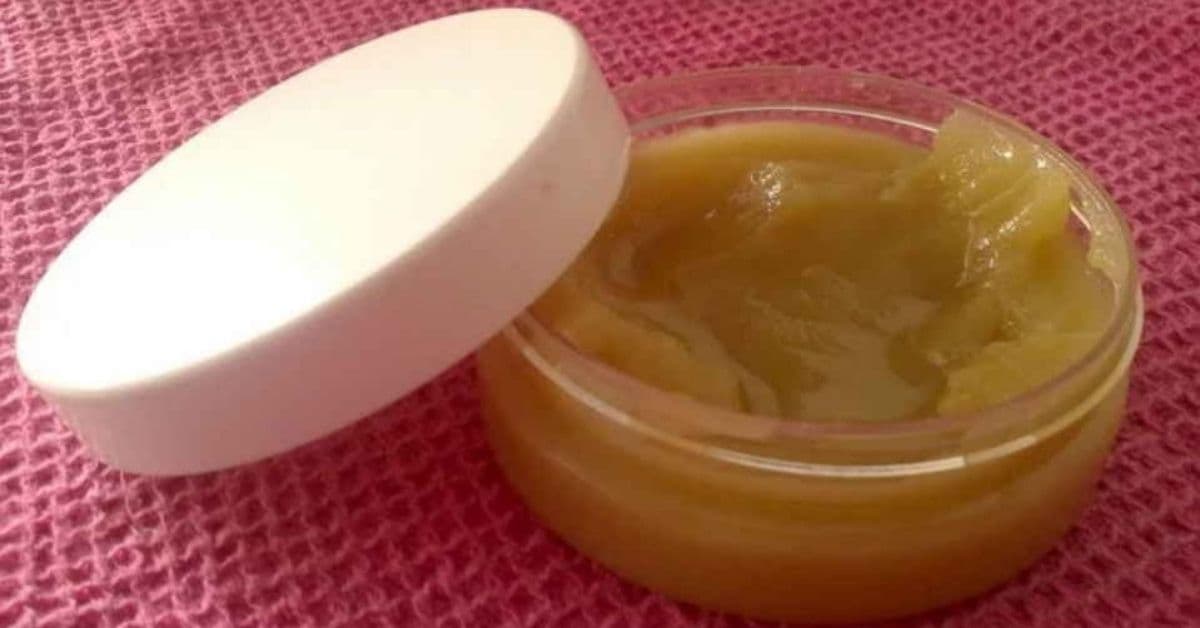
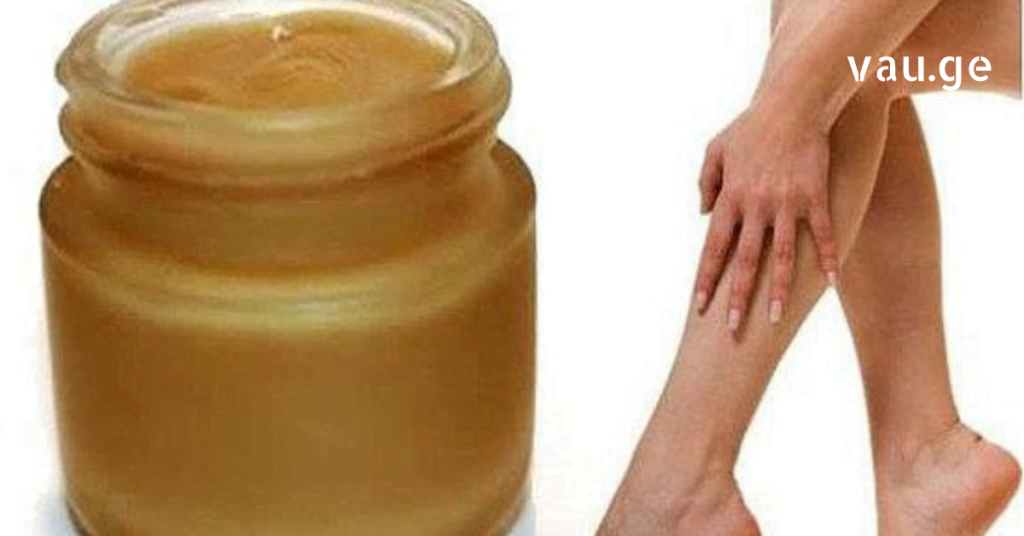
Stories about home preparations for leg discomfort frequently circulate within families and communities. One formulation occasionally referenced in traditional discussions involves combining several widely known household and pharmacy ingredients into a topical blend.
Historical descriptions of similar preparations typically mention components such as:
- Rendered pork fat
- Aloe juice
- Honey
- Vishnevsky ointment
- Ichthyol ointment
- Laundry soap
- Onion juice
These ingredients are usually blended gently with heat until a uniform consistency is achieved.
Why Such Blends Became Popular
Traditional ointments often emerged from practical reasoning rather than laboratory research. Ingredients were selected based on availability, texture, preservation properties, and cultural beliefs regarding skin application.
For example, fats were frequently used as carriers for topical mixtures, while plant extracts like aloe were historically associated with soothing practices. Certain pharmacy ointments gained popularity through generational experience rather than formal clinical validation.
It is important to distinguish between anecdotal traditions and scientifically established treatments.
Application Practices in Folk Traditions
In household narratives, such mixtures were commonly applied externally to areas of perceived discomfort. The preparation was typically spread over the skin and covered loosely with clean fabric or bandaging material.
These practices were rooted in cultural habit rather than standardized medical protocol. Modern dermatological and vascular safety considerations were generally absent from historical descriptions.
Safety and Practical Considerations
Combining multiple substances, even those considered familiar or natural, may produce unpredictable skin reactions. Individual sensitivities, allergies, or underlying conditions can significantly influence outcomes.
Before applying any non-standard topical preparation, professional consultation is strongly recommended. Skin irritation, redness, or discomfort should prompt immediate discontinuation.
Modern Medical Perspective
Contemporary management of varicose veins relies on diagnostic imaging, vascular assessment, and interventions supported by clinical evidence. These may include lifestyle adjustments, compression strategies, minimally invasive procedures, or surgical techniques depending on severity.
Traditional remedies, while culturally interesting, do not substitute for professional evaluation.
Why Interest in Home Remedies Persists
Human behavior often favors accessible and familiar solutions. When conventional treatments appear costly or complex, individuals may explore alternative approaches. Family stories and personal testimonials can strongly influence perceptions, even in the absence of scientific validation.
Curiosity about traditional preparations is therefore understandable, though interpretation must remain cautious.
Final Thoughts
Varicose veins represent a genuine vascular condition with diverse presentations and management pathways. While traditional household blends continue to circulate in anecdotal discussions, responsible health decisions should always prioritize medical safety.
Anyone experiencing persistent leg discomfort, visible vascular changes, or unusual skin symptoms should seek professional medical advice. Early evaluation significantly reduces the likelihood of complications and ensures appropriate care.
Vau.ge – Your Daily Guide for Practical Advice!
Vau.ge is a place where caring for your health, beauty, and daily routines becomes a natural, accessible, and enjoyable experience. Our main goal is to provide you with reliable information about natural remedies, homemade recipes, and practical tips that help you live a healthier life, look better, and simplify your everyday tasks without unnecessary expenses.
Our tips are easy to incorporate into your everyday life — whether it’s skincare, haircare, health-boosting remedies, or small tricks to save time. This knowledge will not only improve your own life but also allow you to share the experience with others, giving more people the chance to live a balanced life naturally and economically.
Please note: The articles on our website are for informational purposes only and do not replace professional medical advice. If you have serious health concerns, please consult a qualified specialist.