









Stories about long-lived individuals often attract attention. Whether shared at family gatherings or discovered in old notebooks, traditional wellness practices continue to spark curiosity across generations. Many of these approaches come from times when households relied heavily on simple, natural ingredients and everyday kitchen preparations.
It is important to clarify from the outset that stomach discomfort, gastritis, and especially peptic ulcer disease are medical conditions that require professional evaluation. Modern medicine provides evidence-based diagnostic tools and therapies that should never be replaced by anecdotal advice alone. Still, cultural traditions and historical remedies remain a fascinating part of health folklore.
Over the years, countless home practices have been passed down, not necessarily as guaranteed solutions, but as supportive habits that people believed contributed to their well-being. Below are several traditional preparations frequently mentioned in historical household literature and oral tradition.
Generational Knowledge and Caution
Older generations often approached health maintenance with a mixture of discipline and practicality. Access to healthcare was not always as immediate as it is today, which encouraged families to experiment with locally available plants, honey, herbal infusions, and simple food-based preparations.
While some of these practices may appear unusual by contemporary standards, they reflect cultural attempts at self-care rather than clinically validated treatment protocols.
Traditional Preparations Commonly Referenced
Across various regions, the following remedies are among those most frequently described in traditional sources:
- Fresh plant-based juices extracted from seasonal leaves or roots
- Herbal infusions prepared with diluted alcohol or hot water
- Raw vegetable juices, particularly cabbage-based preparations
- Honey-focused routines consumed at specific times of day
- Propolis (bee resin) tinctures diluted in water
- Butter-and-honey mixtures used in small quantities
- Mild root decoctions consumed warm
- Aloe-containing blends combined with other natural ingredients
These examples represent historical habits rather than modern medical recommendations.
Plant-Derived Juice Traditions
Many traditional systems placed strong emphasis on freshly extracted plant juices. Seasonal leaves were sometimes collected, cleaned, crushed, and pressed to obtain liquid extracts. These preparations were believed to concentrate certain plant compounds and were valued for their perceived purity.
Storage methods varied widely, ranging from cool cellars to refrigeration in later decades. Heating techniques such as water baths were often applied with the intention of stabilizing the mixture.
Herbal Infusions and Tinctures
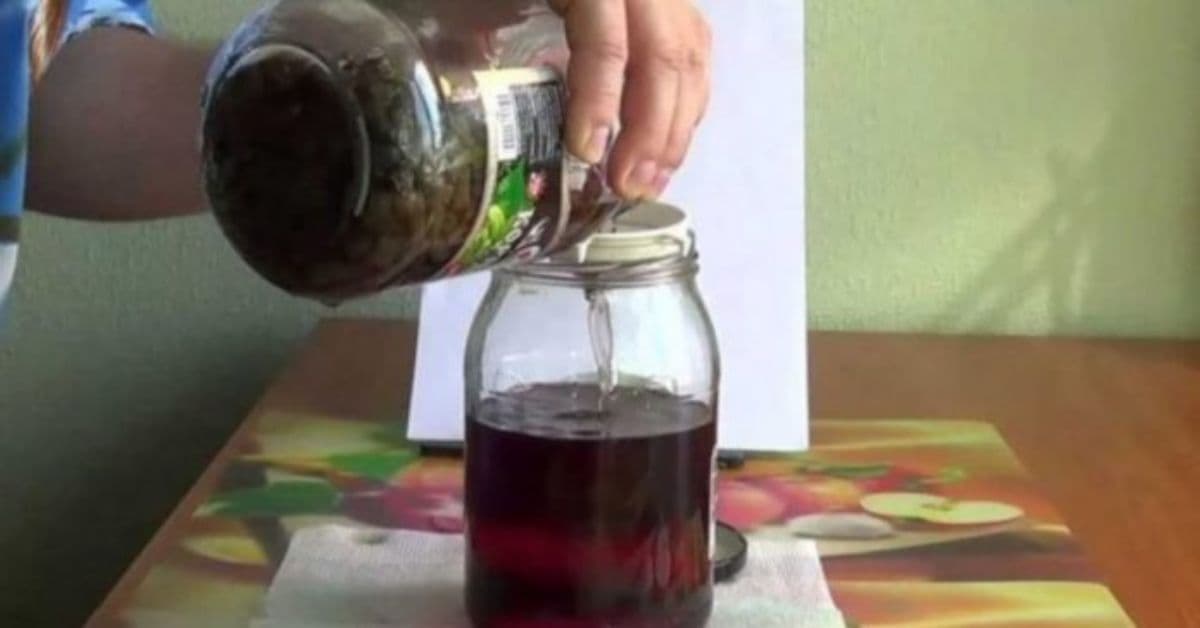
Alcohol-based herbal infusions have a long history in folk practices. Roots and leaves were steeped for extended periods, allowing plant components to dissolve into the liquid. Such preparations were typically consumed in drop-sized portions, reflecting the strong concentration of the extracts.
Traditional texts frequently describe these mixtures as tonics for digestion and general balance, although modern clinical validation is often lacking.
Raw Vegetable Juice Practices
Cabbage juice occupies a notable place in many traditional discussions related to digestive comfort. Fresh cabbage was crushed, pressed, and consumed shortly before meals. The popularity of this practice likely stemmed from cabbage’s accessibility and its long-standing association with dietary simplicity.
Even today, cabbage remains widely recognized as a nutritious vegetable, though its role should be understood within a broader nutritional context rather than as a targeted therapy.
Honey in Traditional Wellness Culture
Few natural products carry as much symbolic and cultural significance as honey. Beyond its culinary value, honey became deeply embedded in historical wellness routines. Consumption timing was often considered important, with small portions taken before meals or at scheduled intervals.
Honey’s appeal may be linked to its taste, energy content, and long shelf life. However, individuals with metabolic conditions or dietary restrictions should always exercise caution.
Propolis and Bee-Derived Substances
Propolis — a resinous substance produced by bees — has been referenced for centuries. Traditional preparations typically involved dissolving propolis in alcohol to create tinctures later diluted in water. These mixtures were valued in folklore for their perceived protective qualities.
Scientific research into propolis exists, yet interpretations should remain measured and aligned with evidence-based guidance.
Butter-Based Mixture Narratives
Some traditional routines incorporated small amounts of butter combined with honey or other ingredients. These mixtures were generally consumed sparingly, reflecting both ingredient richness and cultural emphasis on moderation.
Such practices illustrate historical experimentation rather than standardized medical advice.
The Role of Warm Decoctions
Root-based decoctions prepared over low heat were another recurring feature of older household literature. Gentle boiling and slow cooling were believed to preserve desirable plant characteristics. Consumption was typically described as warm, aligning with longstanding beliefs about digestive comfort.
Why These Practices Persist in Memory
Traditional remedies endure largely because they are intertwined with personal stories. When individuals associate certain habits with periods of comfort or stability, those practices gain emotional credibility regardless of scientific validation.
Human memory often favors anecdotal success, especially when supported by cultural continuity.
Modern Perspective and Responsible Interpretation
Contemporary medicine emphasizes accurate diagnosis, individualized treatment, and safety monitoring. Conditions such as ulcers involve complex physiological mechanisms that cannot be reliably managed through generalized home recipes alone.
Nevertheless, many traditional preparations involve natural foods and plants that, when used responsibly, may align with broader dietary or lifestyle habits.
Final Thoughts
Historical wellness traditions offer a window into how previous generations approached self-care. While curiosity about such practices is natural, modern readers should balance interest with critical thinking and medical awareness.
Persistent digestive discomfort, pain, or unusual symptoms always warrant professional consultation. Traditional knowledge may be culturally valuable, but personal health decisions should remain grounded in reliable medical guidance.