





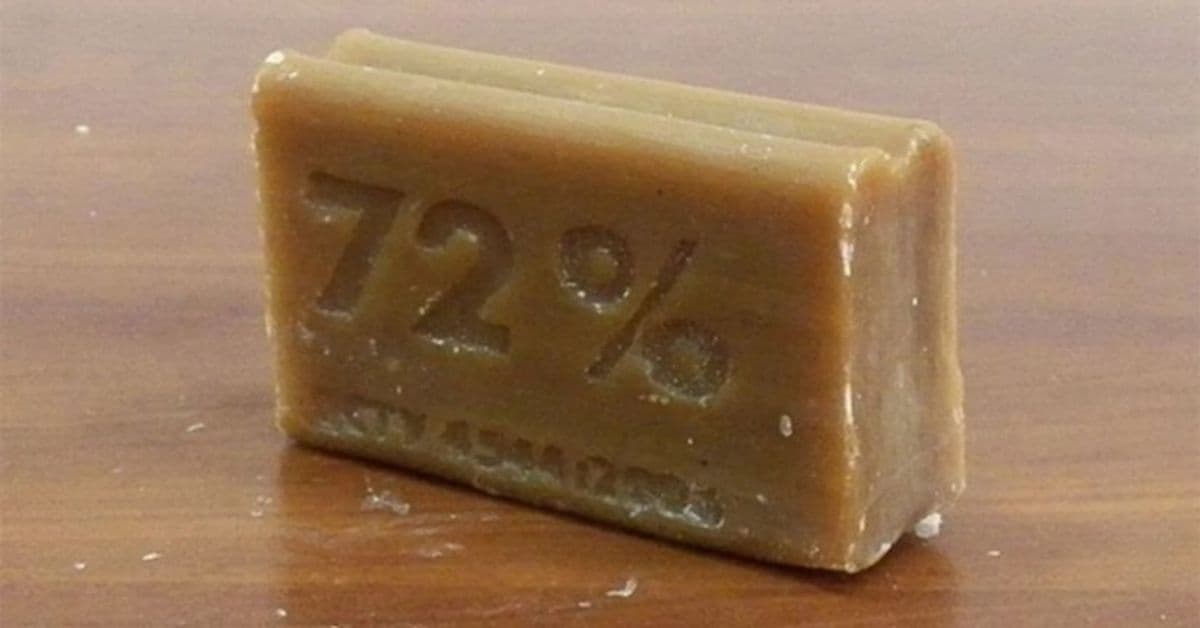
For decades, traditional laundry soap held a permanent place in households. Long before the shelves were filled with specialized cosmetic products, antibacterial gels, and medical-grade cleansers, families relied on one simple bar of soap for a surprising variety of tasks.
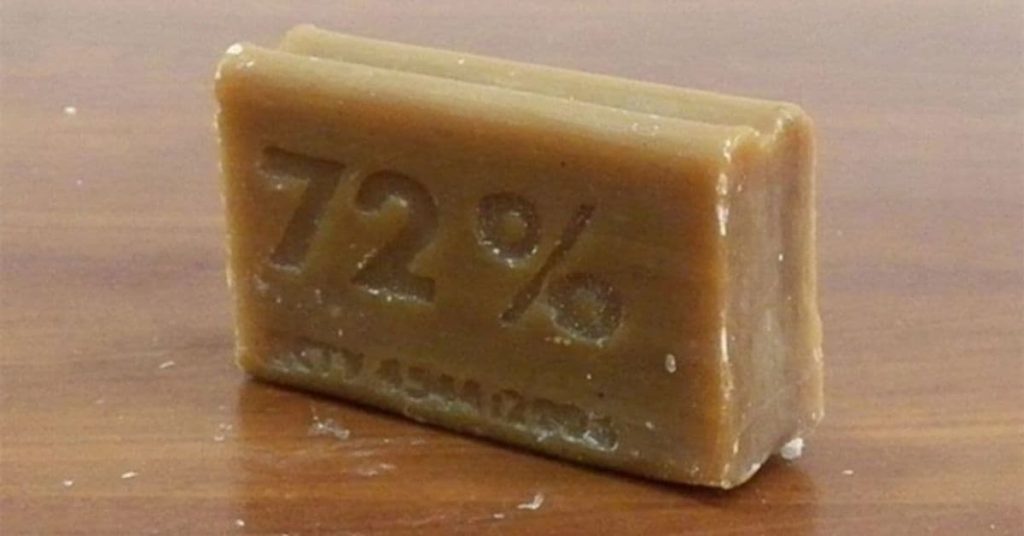
Many people today remember seeing their mothers or grandmothers using laundry soap not only for washing clothes but for skin care routines, hygiene practices, and even minor household first-aid situations. While modern medicine and dermatology do not classify laundry soap as a treatment for diseases, its enduring reputation continues to spark curiosity.
Why has such an ordinary product remained so deeply rooted in generational habits?
Why Laundry Soap Became So Popular
Traditional laundry soap was valued primarily for its simplicity. It typically contained minimal additives, strong cleansing agents, and a composition designed for removing stubborn dirt and oils. Unlike many modern personal care products, older formulations were straightforward and widely accessible.
Because it was inexpensive and available everywhere, people began experimenting with alternative uses. Over time, laundry soap became associated with practicality and reliability rather than luxury.
The Perception of Antiseptic Properties
One reason laundry soap gained such a strong reputation was its cleansing strength. Its ability to break down grease and impurities created the impression that it possessed broad protective qualities.
While soap itself functions mainly by removing contaminants rather than killing pathogens directly, proper washing with any soap can reduce surface impurities. This distinction is important but often overlooked in traditional narratives.
Cultural Memory and Household Traditions
In many families, laundry soap became more than just a cleaning product. It was part of daily routines passed down through observation rather than formal instruction. People trusted it because previous generations trusted it.
Even today, stories circulate describing how laundry soap was used for skin cleansing, hygiene rituals, and cosmetic purposes.
Common Traditional Uses Still Discussed Today
Although modern specialists emphasize that results vary and sensitivities differ, several traditional applications remain widely mentioned in everyday discussions:
- Hair cleansing routines – Some individuals historically used diluted laundry soap for removing excess oil or dandruff, often followed by acidic rinses such as water with small amounts of vinegar.
- Post-depilation skin care – Due to its strong cleansing nature, it was sometimes applied briefly to freshly treated skin areas, then rinsed off.
- Facial cleansing practices – In earlier decades, certain people washed their faces with laundry soap in an attempt to reduce oiliness, always followed by moisturizing products.
- Nasal hygiene folklore – Traditional practices occasionally referenced diluted soap solutions, though modern medicine generally discourages introducing harsh substances into mucous membranes.
- Foot hygiene and odor control – Because soap removes oils and residues, it was commonly used for thorough washing of the feet.
- Cleaning personal items – Objects such as toothbrushes were sometimes soaked in mild soap solutions for cleaning purposes.
- Topical compress traditions – Soap-based mixtures occasionally appeared in folk household recipes.
These uses reflect cultural habits rather than clinical recommendations.
Why Strong Cleansing Can Feel Effective
Laundry soap is designed for heavy-duty cleaning. When applied to the skin, it can remove oils and residues very efficiently. This immediate “deep-clean” sensation often leads users to perceive it as especially powerful.
However, the same property may also cause dryness or irritation, particularly for sensitive skin types.
Skin Barrier Considerations
Modern dermatology highlights the importance of maintaining the skin’s natural barrier. Products designed specifically for personal care often include moisturizing agents and pH-balanced formulations.
Because laundry soap is not developed for continuous cosmetic use, excessive application may disrupt natural skin oils.
Situations Requiring Caution
Not all traditional practices are suitable for everyone. Individuals with sensitive skin, chronic dermatological conditions, or allergies may experience irritation from strong cleansing agents.
Professional consultation is recommended whenever unusual skin reactions occur.
Why Myths Around “Healing Effects” Persist
Human psychology plays a significant role in how remedies gain reputations. When a product is inexpensive, widely available, and associated with personal experiences, stories of effectiveness spread quickly.
Over time, anecdotal success stories may evolve into perceived universal truths, even without clinical validation.
The Difference Between Cleansing and Treatment
Soap functions primarily by assisting mechanical removal of contaminants. It is not a substitute for targeted medical therapies designed for infections, inflammatory disorders, or chronic conditions.
Recognizing this distinction helps maintain realistic expectations.
Why People Still Feel Attached to Laundry Soap
Despite advances in cosmetic science, many individuals continue to appreciate simple products. Laundry soap represents familiarity, minimalism, and nostalgia — qualities that modern consumers increasingly value.
Its reputation is often driven by tradition rather than laboratory data.
A Balanced Perspective
Laundry soap undeniably performs exceptionally well for its intended purpose: cleaning. Some people may find occasional alternative uses personally helpful, while others may not tolerate it at all.
Personal experimentation should always be guided by caution and awareness of skin sensitivity.
Final Thoughts
Traditional household products often acquire legendary status over time. Laundry soap is a classic example — a simple object surrounded by decades of practical use, cultural memory, and evolving interpretation.
Understanding both its strengths and limitations allows for informed decisions without unrealistic expectations.
Vau.ge – Your Daily Guide for Practical Advice!
Vau.ge is a place where caring for your health, beauty, and daily routines becomes a natural, accessible, and enjoyable experience. Our main goal is to provide you with reliable information about natural remedies, homemade recipes, and practical tips that help you live a healthier life, look better, and simplify your everyday tasks without unnecessary expenses.
Our tips are easy to incorporate into your everyday life — whether it’s skincare, haircare, health-boosting remedies, or small tricks to save time. This knowledge will not only improve your own life but also allow you to share the experience with others, giving more people the chance to live a balanced life naturally and economically.
Please note: The articles on our website are for informational purposes only and do not replace professional medical advice. If you have serious health concerns, please consult a qualified specialist.