













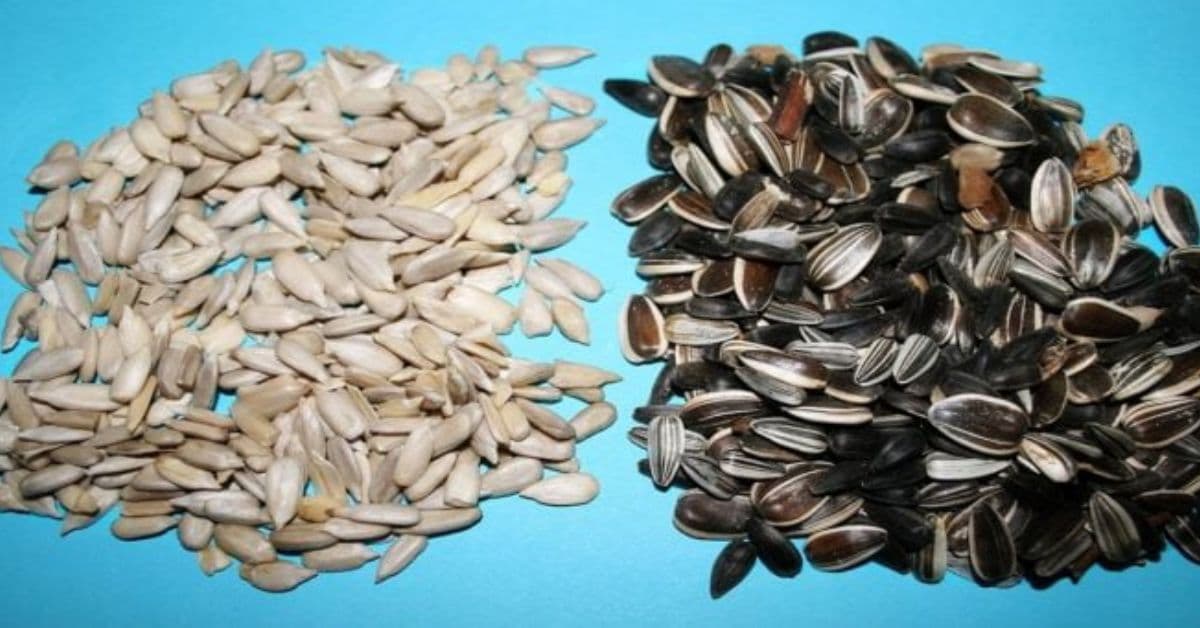
Sunflower seeds health benefits are often underestimated, despite the fact that this simple, affordable food contains an impressive range of nutrients essential for the human body. Many people enjoy sunflower seeds as a snack without ever thinking about their nutritional value, calorie content, or potential impact on overall health.
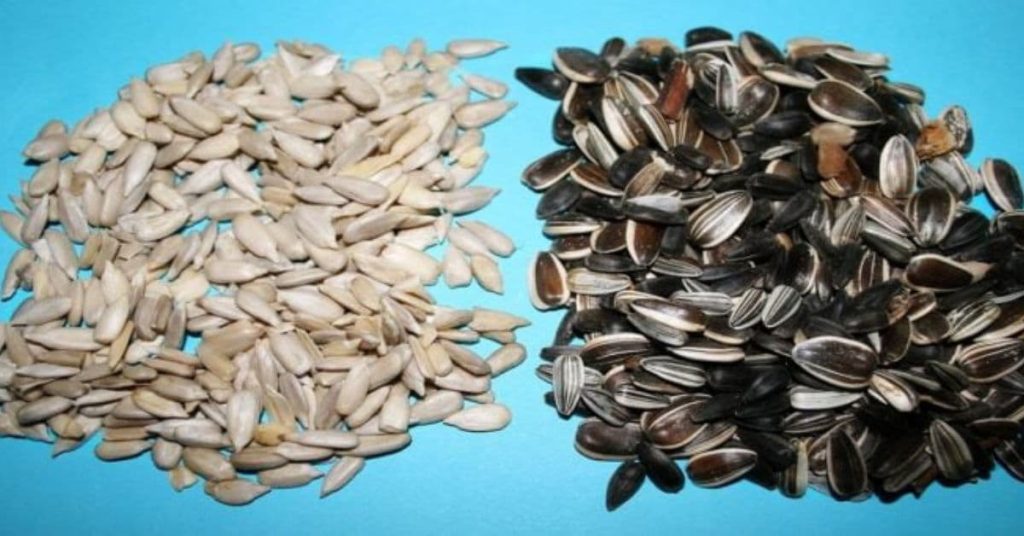
Sunflower seeds are more than just a tasty habit. They provide essential fats, vitamins, minerals, and plant compounds that play an important role in metabolic processes, cardiovascular health, and cellular protection. Let’s take a closer look at what makes sunflower seeds unique — and what should be considered before adding them regularly to the diet.
Nutritional Value of Sunflower Seeds
Sunflower seeds are a concentrated source of energy and nutrients. Their caloric content is relatively high due to the presence of healthy plant fats, but these fats are essential for normal bodily function.
They contain:
- Plant-based fats
- High-quality protein
- Lecithin
- Vitamins and minerals such as calcium, magnesium, iron, and potassium
In terms of nutritional density, sunflower seeds often surpass foods like eggs and meat when compared gram for gram in mineral and vitamin content.
Rich Source of Essential Vitamins
Sunflower seeds are especially rich in vitamins that support the nervous system, immune function, and skin health.
They contain:
- Vitamin E – a powerful antioxidant
- B-group vitamins – essential for energy metabolism
- Vitamin A – supports vision and immune response
- Vitamin D – contributes to bone health and calcium absorption
Vitamin E deserves special attention. It helps protect cells from oxidative damage and supports healthy aging by neutralizing free radicals.
Mineral Content That Supports the Body
One of the most impressive aspects of sunflower seeds health benefits is their mineral profile.
Sunflower seeds are particularly rich in magnesium — containing up to six times more magnesium than rye bread. Magnesium plays a critical role in:
- Glucose metabolism
- Protein synthesis
- Nucleic acid formation
- Muscle and nerve function
Consuming approximately 50 grams of raw sunflower seeds per day may help meet daily magnesium requirements for many adults.
In addition to magnesium, sunflower seeds contain calcium, potassium, phosphorus, sulfur, and iron — all necessary for maintaining strong bones, proper circulation, and muscle function.
Fatty Acids and Their Role in Heart Health
Sunflower seeds contain beneficial fatty acids that help support cardiovascular health. These fats are known to:
- Support healthy cholesterol balance
- Reduce oxidative stress
- Slow down age-related cellular changes
Regular, moderate consumption may contribute to lowering LDL (“bad”) cholesterol levels when combined with a balanced diet.
Because of this, sunflower seeds are often considered a supportive food for cardiovascular health — not a treatment, but a nutritional ally.
Potential Benefits for Men and Women
Sunflower seeds contain nutrients that support hormonal balance and reproductive health in both men and women.
For men, the combination of healthy fats, vitamin E, and minerals supports normal circulation and overall vitality.
For women, sunflower seeds contribute to reproductive system health due to their antioxidant and mineral content.
These benefits come from nutritional support rather than direct therapeutic action.
Traditional Uses in Folk Practices
In traditional medicine, sunflower oil has been used externally and internally as a supportive agent for digestive comfort and liver function. While modern medicine does not classify sunflower products as treatment for disease, their nutritional value has been recognized for generations.
Sunflower oil, when used moderately, provides unsaturated fats that are considered heart-friendly when replacing saturated fats.
Caloric Content: What You Should Know
Sunflower seeds are calorie-dense. While this makes them a valuable energy source, it also means portion control is important.
A small handful (around 30–50 grams) provides:
- Sustained energy
- Essential fats
- Important micronutrients
Excessive consumption, however, may contribute to unwanted weight gain.
Who Should Be Cautious?
Despite their benefits, sunflower seeds are not suitable for everyone.
They may not be recommended for individuals with:
- Stomach ulcers
- Gout
- Enterocolitis
- Severe digestive sensitivity
In such cases, sunflower seeds may irritate the gastrointestinal tract or worsen symptoms. Anyone with chronic digestive conditions should consult a healthcare professional before regular consumption.
Agricultural and Environmental Adaptability
Sunflowers are highly adaptable plants. They thrive in warm, sunny environments and tolerate drought conditions well. They can also withstand short periods of cold, surviving temperatures as low as -5°C to -6°C during early growth stages.
Optimal growing conditions include:
- Soil temperature: 8–12°C for planting
- Germination temperature: 6–8°C
- Optimal growth temperature: 20–25°C
These characteristics make sunflower cultivation widespread across many regions.
Sunflower Seeds as Preventive Nutrition
Due to their antioxidant and mineral content, sunflower seeds are often viewed as a preventive food rather than a medicinal one.
They may help support the body during:
- Periods of physical stress
- Recovery from illness
- Increased nutritional demand
Their role is supportive, not curative.
Moderation Is Key
Like all nutrient-dense foods, sunflower seeds should be consumed in moderation. Balanced intake ensures benefits without negative side effects.
Combining sunflower seeds with a diverse diet that includes vegetables, fruits, whole grains, and lean protein provides the best health outcomes.
Final Thoughts
Sunflower seeds health benefits go far beyond their reputation as a casual snack. They are a powerful source of essential nutrients that support metabolic processes, cardiovascular function, and overall vitality.
However, their true value lies in responsible, moderate consumption — not in excessive use or unrealistic expectations. When included thoughtfully, sunflower seeds can be a valuable addition to a healthy, balanced diet.
Vau.ge – Your Daily Guide for Practical Advice!
Vau.ge is a place where caring for your health, beauty, and daily routines becomes a natural, accessible, and enjoyable experience. Our main goal is to provide you with reliable information about natural remedies, homemade recipes, and practical tips that help you live a healthier life, look better, and simplify your everyday tasks without unnecessary expenses.
Our tips are easy to incorporate into your everyday life — whether it’s skincare, haircare, health-boosting remedies, or small tricks to save time. This knowledge will not only improve your own life but also allow you to share the experience with others, giving more people the chance to live a balanced life naturally and economically.
Please note: The articles on our website are for informational purposes only and do not replace professional medical advice. If you have serious health concerns, please consult a qualified specialist.