








Interest in non-invasive, traditional wellness methods has grown significantly in recent years. Many people look for simple techniques that may help relieve stress, headaches, fatigue, or general discomfort without relying solely on medication. Among these approaches, one method from Eastern traditions frequently discussed is Feng Fu point stimulation, sometimes combined with cold exposure.
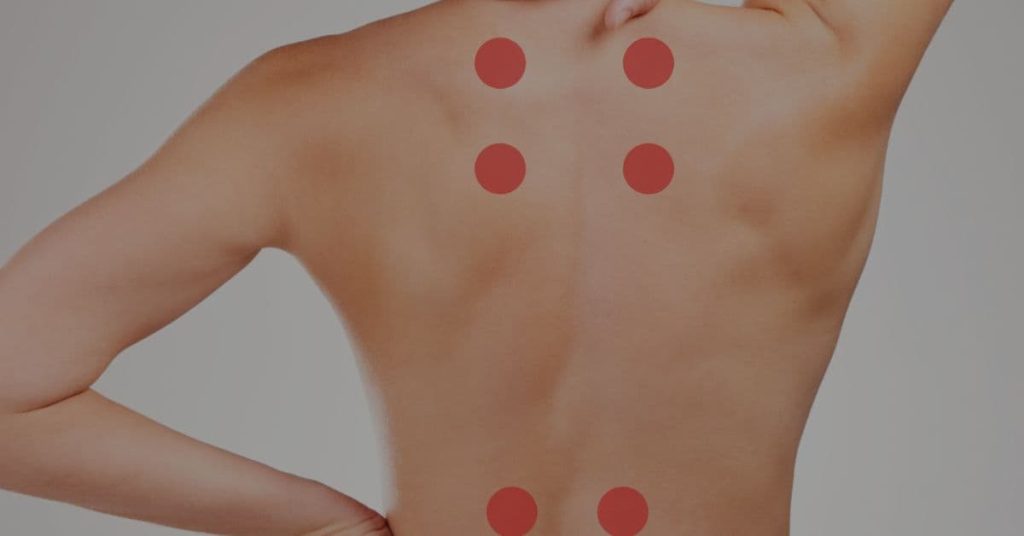
Although often described dramatically online, it is important to understand what this method is believed to do—and what it realistically can and cannot offer.
What Is the Feng Fu Point?
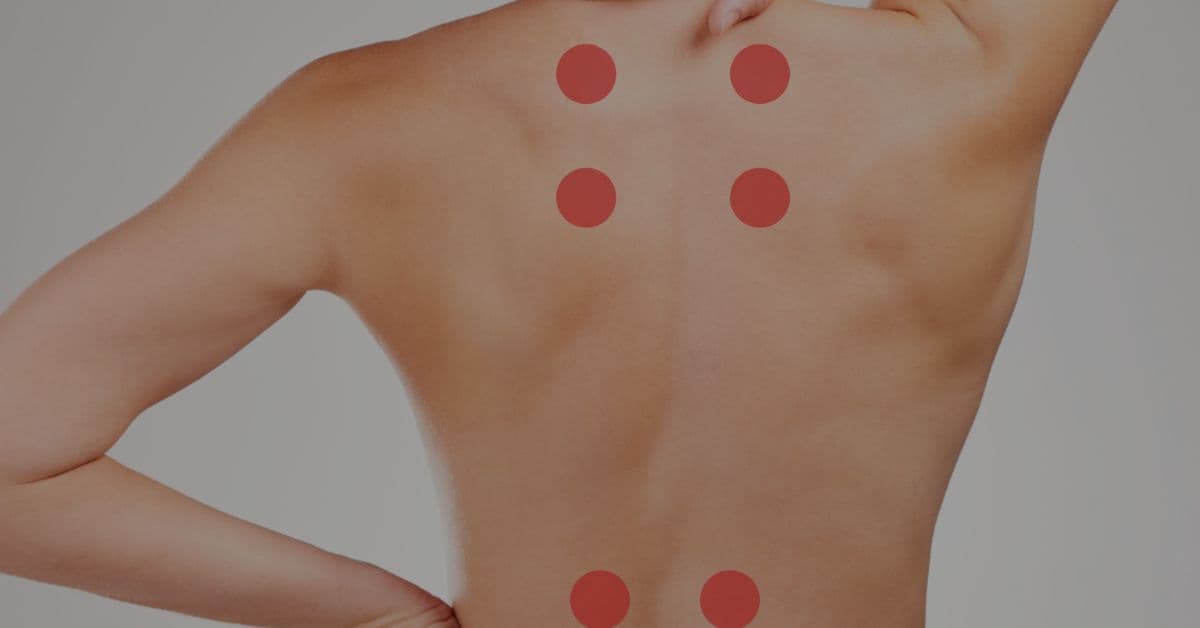
The Feng Fu point is a location at the base of the skull, where the head meets the neck. Anatomically, it lies in a small hollow between the neck muscles, just above the hairline—approximately three centimeters above the border of the scalp.
In traditional Eastern medicine, this area is considered significant because of its proximity to the brainstem and major neural pathways. The region plays a role in regulating communication between the brain and the rest of the body.
From a modern anatomical perspective, this area contains important nerve structures and blood vessels, which explains why stimulation can produce noticeable sensations.
Why Cold Stimulation Is Used
Cold exposure has long been used in various therapeutic contexts. Applying cold to specific areas of the body may temporarily reduce pain, alter nerve signaling, and stimulate circulation once the tissue warms again.
Supporters of Feng Fu point stimulation suggest that placing ice on this area creates a brief temperature contrast that activates blood flow and sensory receptors. This reaction may explain why some people report increased alertness, reduced headache intensity, or a feeling of renewed energy afterward.
However, these effects are generally temporary and vary from person to person.
How the Procedure Is Commonly Described
The method is usually described as simple. A small piece of ice is placed on the Feng Fu point while the person lies or sits comfortably. The ice is held in place for a short period and then removed.
Advocates often suggest repeating the procedure regularly, claiming it supports overall balance in the body. It is essential to note that no standardized medical protocol exists for this practice, and duration or frequency recommendations are based on tradition rather than clinical trials.
Excessive cold exposure or prolonged application is not recommended.
Why Some People Report Headache Relief
Headaches—especially tension headaches—are often linked to muscle tightness, stress, and altered blood flow in the neck and head region. Cold application may temporarily reduce nerve sensitivity and relax surrounding muscles.
This may explain why some individuals experience short-term relief from headaches after stimulating the Feng Fu area. Similar effects can be achieved with other cold or relaxation-based techniques.
Importantly, persistent or severe headaches require medical evaluation.
Claims vs. Medical Reality
Online sources sometimes claim that Feng Fu point stimulation can “cure” a wide range of conditions, including thyroid disorders, cardiovascular disease, respiratory illnesses, weight problems, blood pressure imbalance, and nervous system disorders.
From a medical standpoint, these claims are not supported by clinical evidence.
While nervous system regulation and blood flow can influence overall well-being, no external stimulation alone can cure complex chronic diseases. Conditions such as thyroid dysfunction or cardiovascular disease require professional diagnosis and evidence-based treatment.
The realistic role of this method, at best, is supportive, not curative.
The Nervous System and Sensory Stimulation
The nervous system responds strongly to sensory input, including temperature changes. Cold stimulation activates receptors that send signals to the brain, temporarily shifting focus and altering perception.
This response may explain why people feel more alert, energized, or mentally clear after the procedure. Such effects are similar to those experienced after cold water exposure, contrast showers, or brisk outdoor activity.
These sensations should be understood as physiological responses, not signs of healing.
When This Method Should Be Avoided
Cold stimulation at the neck is not suitable for everyone. Individuals with circulatory disorders, cold sensitivity, nerve damage, or cervical spine conditions should avoid this practice unless advised otherwise by a healthcare professional.
People with heart conditions, thyroid disease, or chronic neurological issues should not rely on this method as a substitute for treatment.
If discomfort, dizziness, numbness, or pain occurs, the procedure should be stopped immediately.
The Importance of Medical Evaluation
One of the risks of popular wellness trends is that they may delay proper medical care. Feeling temporary relief can create a false sense of improvement while underlying conditions remain untreated.
Symptoms such as chronic fatigue, blood pressure changes, breathing difficulties, or hormonal imbalance require medical assessment. No single external method can replace diagnosis, laboratory testing, or targeted therapy.
Traditional practices should complement—not replace—modern healthcare.
Why Such Methods Remain Popular
Despite limited scientific validation, techniques like Feng Fu point stimulation remain popular because they are simple, non-invasive, and accessible. The ritual itself can create a sense of control and mindfulness, which may positively influence stress levels.
Stress reduction alone can significantly affect how symptoms are perceived. When stress decreases, pain feels less intense, energy improves, and sleep quality may increase.
These indirect benefits should not be underestimated—but they should also not be exaggerated.
A Balanced Perspective
It is possible to appreciate traditional practices without attributing unrealistic powers to them. Using cold stimulation as a relaxation or mindfulness tool may be acceptable for healthy individuals when done carefully.
However, presenting such methods as cures for serious diseases creates false expectations and potential harm.
In health, balance and critical thinking matter.
Final Thoughts
Feng Fu point stimulation with ice is an interesting traditional method that may produce temporary sensations of alertness, relaxation, or mild headache relief. Its effects are most likely linked to nervous system stimulation and changes in blood flow perception.
While many people find the experience refreshing, it should not be considered a treatment for chronic or systemic diseases.
Responsible wellness choices combine curiosity with evidence—and tradition with medical guidance.
Vau.ge – Your Daily Guide for Practical Advice!
Vau.ge is a place where caring for your health, beauty, and daily routines becomes a natural, accessible, and enjoyable experience. Our main goal is to provide you with reliable information about natural remedies, homemade recipes, and practical tips that help you live a healthier life, look better, and simplify your everyday tasks without unnecessary expenses.
Our tips are easy to incorporate into your everyday life — whether it’s skincare, haircare, health-boosting remedies, or small tricks to save time. This knowledge will not only improve your own life but also allow you to share the experience with others, giving more people the chance to live a balanced life naturally and economically.
Please note: The articles on our website are for informational purposes only and do not replace professional medical advice. If you have serious health concerns, please consult a qualified specialist.