












Sciatic nerve inflammation, commonly known as sciatica, is one of the most frequent causes of lower back and leg pain worldwide. For many people, the condition becomes a long-term struggle that affects mobility, sleep, and overall quality of life. While modern medicine offers various treatment options, many patients also explore traditional approaches to support recovery and pain relief.
Understanding what sciatica is—and what it is not—is the first step toward managing it properly.
Sciatica vs. Radiculitis: Why People Confuse Them
Sciatica and radiculitis are often used interchangeably, but medically they are not the same condition. While both involve nerve-related pain and may produce similar symptoms, their underlying causes differ.
Sciatica refers specifically to inflammation or compression of the sciatic nerve, the largest nerve in the human body. Radiculitis, on the other hand, is a broader term describing inflammation of a spinal nerve root and may occur at different levels of the spine.
Correct diagnosis is essential, as treatment effectiveness depends heavily on understanding the exact source of pain.
What Is the Sciatic Nerve?
The sciatic nerve originates from five nerve roots in the lower spine (lumbar and sacral regions). From there, it passes through the pelvis, runs beneath or through the piriformis muscle in the buttock, and continues down the back of the thigh, branching into smaller nerves that reach the knee, calf, ankle, foot, and toes.
Because of its size and length, irritation of this nerve can cause pain that radiates from the lower back all the way down the leg.
Common Causes of Sciatic Nerve Inflammation
Sciatica does not appear without reason. In most cases, it develops due to mechanical pressure, inflammation, or metabolic factors affecting nerve health. Common causes include:
- Degenerative changes in the lumbar spine
- Herniated or degenerating intervertebral discs
- Osteoarthritis affecting spinal joints
- Piriformis muscle syndrome
- Pregnancy-related pelvic changes
- Physical trauma or injury
- Chronic constipation increasing pelvic pressure
- Diabetes-related nerve damage
- Excessive or improper spinal load
In many patients, several of these factors coexist, making treatment more complex.
Typical Symptoms of Sciatica
Sciatic pain varies widely in intensity and character. Some people experience a dull ache, while others report sharp, burning, or electric shock–like sensations. Pain may worsen when sitting, bending, coughing, or lifting objects.
Additional symptoms may include muscle weakness, numbness, tingling, or reduced reflexes in the affected leg. In severe cases, mobility becomes significantly impaired.
Why Pain Often Returns After Medication
Standard medical treatment for sciatica often includes anti-inflammatory drugs, pain relievers, muscle relaxants, and physical therapy. While these approaches may reduce symptoms, they do not always address the underlying cause.
As a result, many patients experience temporary relief followed by recurring pain. This is why some individuals seek complementary or traditional methods alongside conventional care.
A Traditional Remedy That Continues to Attract Attention
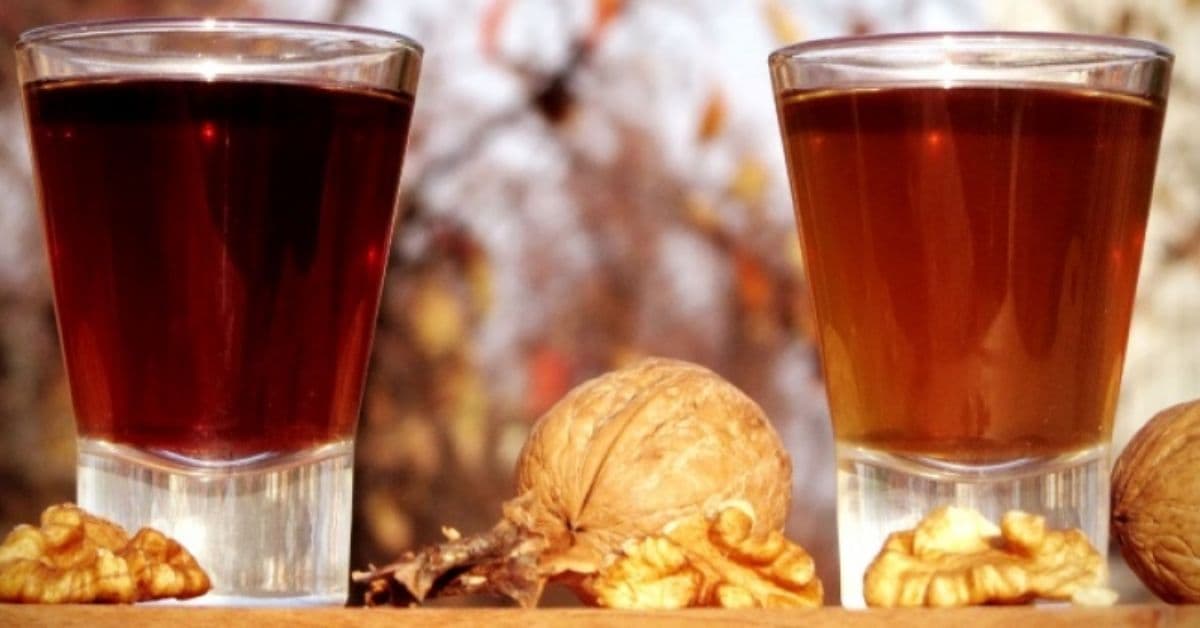
In traditional herbal medicine, the walnut tree has long been valued for its potential therapeutic properties. Various parts of the tree—including leaves, bark, roots, and fruit—have been used historically for inflammatory and chronic conditions.
One commonly discussed traditional method involves walnut leaves prepared in salt water and applied externally as a warm compress to the affected area.
According to anecdotal accounts, walnut leaves are boiled in salted water, then applied warm (within tolerance) to the painful region and secured with a wool cloth. The compress is typically used once daily for several days.
Many people report temporary relief, reduced muscle tension, and improved comfort following this practice.
A Personal Experience Often Shared
Some individuals describe months of persistent lower back pain that only partially responded to prescribed medication. After exploring traditional remedies, they report noticeable improvement following short courses of warm walnut leaf compresses.
While such experiences are subjective and vary from person to person, they highlight why interest in traditional approaches remains strong—especially among those with chronic or recurrent symptoms.
Medical Perspective on Walnut-Based Remedies
From a clinical standpoint, it is important to note that modern phytotherapy has not fully established standardized medical protocols for walnut leaf applications in sciatica treatment.
However, scientific research confirms that walnut components contain bioactive substances, including antioxidants, tannins, essential oils, and compounds with anti-inflammatory potential.
Historically, the walnut tree was referred to as the “tree of life” in some cultures due to its diverse traditional uses. Extracts from different parts of the tree have been applied in various chronic conditions, primarily as supportive measures.
Medical professionals emphasize that such remedies should be viewed as complementary, not as replacements for diagnosis or treatment.
Why Warm Compresses May Help Temporarily
The benefit of warm compresses—regardless of the plant used—can often be attributed to improved blood circulation, muscle relaxation, and temporary nerve desensitization.
Heat may reduce muscle spasms around the sciatic nerve, thereby easing pressure and discomfort. When combined with anti-inflammatory plant compounds, the effect may feel more pronounced for some individuals.
However, relief does not equal cure, and results differ depending on the underlying cause.
When to Be Cautious
Sciatica accompanied by severe weakness, loss of bladder or bowel control, progressive numbness, or sudden worsening pain requires immediate medical attention. Traditional remedies should never delay professional evaluation in such cases.
Pregnant individuals, people with skin sensitivities, or those with chronic conditions should consult a healthcare provider before trying external herbal applications.
Final Thoughts
Sciatic nerve inflammation is a complex condition influenced by structural, muscular, and metabolic factors. While medication and physical therapy remain essential tools, many people also explore traditional methods to support comfort and recovery.
Walnut leaf compresses represent one such traditional approach that continues to generate interest. Though not scientifically proven as a cure, they may offer temporary relief for some individuals when used responsibly.
The key to managing sciatica lies in accurate diagnosis, informed decision-making, and a balanced approach that combines medical guidance with safe supportive practices.
Vau.ge – Your Daily Guide for Practical Advice!
Vau.ge is a place where caring for your health, beauty, and daily routines becomes a natural, accessible, and enjoyable experience. Our main goal is to provide you with reliable information about natural remedies, homemade recipes, and practical tips that help you live a healthier life, look better, and simplify your everyday tasks without unnecessary expenses.
Our tips are easy to incorporate into your everyday life — whether it’s skincare, haircare, health-boosting remedies, or small tricks to save time. This knowledge will not only improve your own life but also allow you to share the experience with others, giving more people the chance to live a balanced life naturally and economically.
Please note: The articles on our website are for informational purposes only and do not replace professional medical advice. If you have serious health concerns, please consult a qualified specialist.