







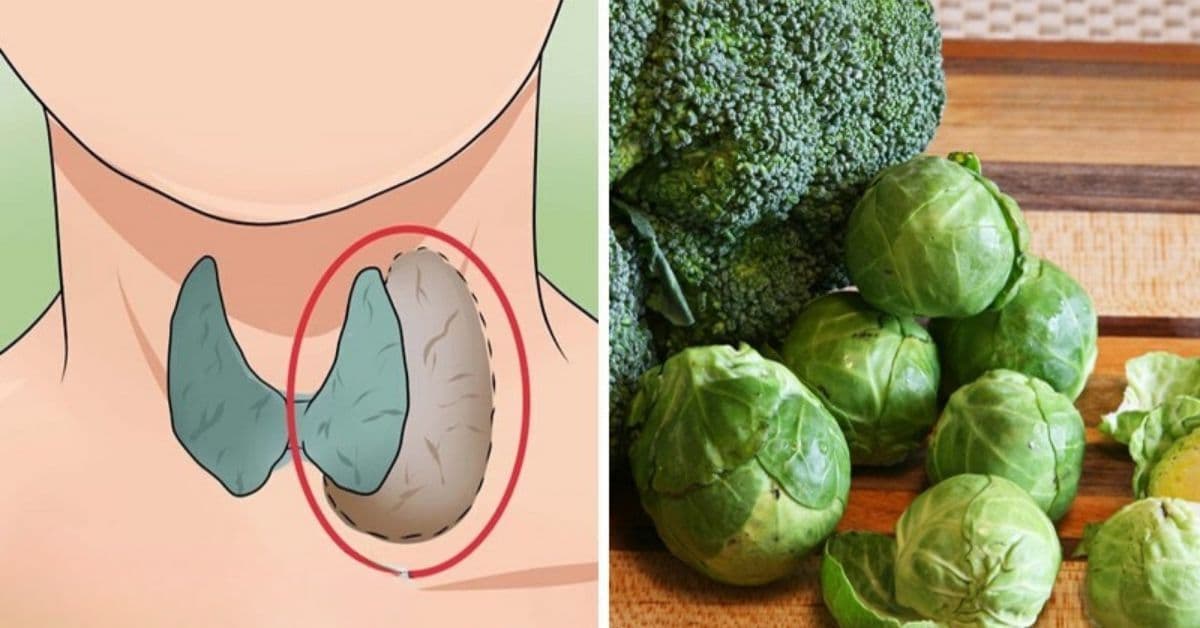
Thyroid disease diet is one of the most important—and most misunderstood—topics in modern health discussions. Thyroid disorders have become increasingly common worldwide, affecting people of all ages and genders. Fatigue, weight changes, anxiety, cold sensitivity, and hormonal imbalance are just a few symptoms that push people to search for answers.
While medication is often necessary, diet plays a crucial supporting role in thyroid health. What you eat can either support hormone production and conversion—or silently interfere with it.
Understanding this difference matters.
Why Thyroid Disorders Are So Common Today
Modern lifestyle factors have dramatically changed how our endocrine system functions. Chronic stress, processed foods, environmental toxins, nutrient deficiencies, and disrupted sleep patterns all place pressure on the thyroid gland.
The thyroid depends heavily on proper nutrient availability—especially iodine, selenium, zinc, and specific amino acids. When these are missing or blocked, thyroid hormone balance begins to shift.
This imbalance usually appears in two forms: excess hormone production (hyperthyroidism) or insufficient hormone production (hypothyroidism). Both conditions affect the entire body.
Understanding T4, T3, and Why the Liver Matters
One of the most overlooked aspects of thyroid health is hormone conversion. Approximately 90% of thyroid hormones are produced in the inactive T4 form. This hormone must be converted into the active T3 form for the body to use it effectively.
This conversion happens primarily in the liver with the help of enzymes and adequate nutrient support. When liver function is compromised—due to inflammation, poor diet, or nutrient deficiency—T3 levels may remain low even if T4 levels appear normal.
This is why many people experience hypothyroid symptoms despite “normal” blood tests.
Hypothyroidism and Nutritional Sensitivity
Hypothyroidism is the most common thyroid disorder. It occurs when the gland does not produce enough hormones to meet the body’s needs. Symptoms often develop slowly and may be dismissed as aging or stress.
Nutrition does not replace medication in hypothyroidism, but it can strongly influence symptom severity, hormone conversion efficiency, and overall energy levels.
Certain foods support thyroid function—others interfere with it.
The Truth About Goitrogens and Vegetables
Cruciferous vegetables such as broccoli, cabbage, Brussels sprouts, and radishes are often blamed for worsening hypothyroidism. These vegetables contain substances known as goitrogens, which may interfere with iodine uptake in the thyroid.
This has caused unnecessary fear.
In reality, for these vegetables to significantly affect thyroid function, they must be consumed raw and in extremely large quantities. Cooking, steaming, or light sautéing reduces goitrogenic activity substantially.
Moderate consumption does not harm the thyroid and provides valuable antioxidants and fiber.
Foods That May Negatively Affect Thyroid Function
While vegetables are often wrongly blamed, other dietary factors deserve closer attention. Excessive sugar intake contributes to inflammation and insulin resistance, which can disrupt hormone signaling.
Gluten may be problematic for some individuals, particularly those with autoimmune thyroid conditions. Dairy products can trigger inflammation in sensitive individuals. Highly processed soy products may interfere with thyroid hormone absorption when consumed excessively.
Individual response varies—there is no universal restriction.
Nutrients That Support Thyroid Health
Supporting thyroid function means supporting hormone production, conversion, and cellular sensitivity. Diet should focus on nutrient density rather than restriction.
Here is the only list in the article, as requested:
- Vitamin A – found in orange and yellow vegetables
- Vitamin D (D3) – essential for immune and endocrine regulation
- Omega-3 fats – fatty fish, walnuts, flaxseed
- B vitamins – meat, poultry, legumes
- Selenium – seafood, eggs
- Tyrosine – poultry, avocado
- Iodine – seafood
Balanced intake is critical. Excess iodine can be just as problematic as deficiency.
Why Cooking Methods Matter
How food is prepared is as important as what food is chosen. Steaming or lightly sautéing vegetables preserves nutrients while reducing compounds that may interfere with iodine absorption.
Overcooking destroys enzymes and vitamins. Completely raw consumption in large amounts may increase sensitivity in some individuals with hypothyroidism.
Balance is key.
Sugar, Processed Foods, and Hormonal Stress
Highly processed foods place stress on the liver and adrenal system. Since thyroid hormones rely on liver conversion, chronic consumption of processed foods indirectly affects thyroid performance.
Reducing refined sugar and artificial additives supports metabolic stability and hormone balance—not just thyroid health.
Thyroid Diet Is Not One-Size-Fits-All
No single diet works for everyone with thyroid disease. Genetics, autoimmune status, medication use, gut health, and lifestyle all influence dietary response.
Some people feel better reducing gluten. Others notice no difference. What matters is mindful observation, not rigid rules.
Personalization is essential.
Why Diet Alone Is Not Enough
Diet supports thyroid health—it does not replace medical treatment. Hypothyroidism, hyperthyroidism, and autoimmune thyroid disorders often require medication and regular monitoring.
Diet works best as a support system, not a standalone cure.
Final Thoughts
A thyroid disease diet is not about fear, restriction, or extreme rules. It is about understanding how nutrients, hormones, and metabolism interact.
Supporting the thyroid means supporting the whole body—especially the liver, immune system, and nervous system.
When diet is used wisely, it becomes a powerful ally rather than a source of stress.
Vau.ge – Your Daily Guide for Practical Advice!
Vau.ge is a place where caring for your health, beauty, and daily routines becomes a natural, accessible, and enjoyable experience. Our main goal is to provide you with reliable information about natural remedies, homemade recipes, and practical tips that help you live a healthier life, look better, and simplify your everyday tasks without unnecessary expenses.
Our tips are easy to incorporate into your everyday life — whether it’s skincare, haircare, health-boosting remedies, or small tricks to save time. This knowledge will not only improve your own life but also allow you to share the experience with others, giving more people the chance to live a balanced life naturally and economically.
Please note: The articles on our website are for informational purposes only and do not replace professional medical advice. If you have serious health concerns, please consult a qualified specialist.