















Paracetamol risks in children have become a topic of growing discussion among pediatric researchers and medical professionals. For decades, paracetamol has been one of the most commonly used medications for reducing fever and relieving pain in children. It is trusted by millions of parents worldwide and often considered the safest option in pediatric care.
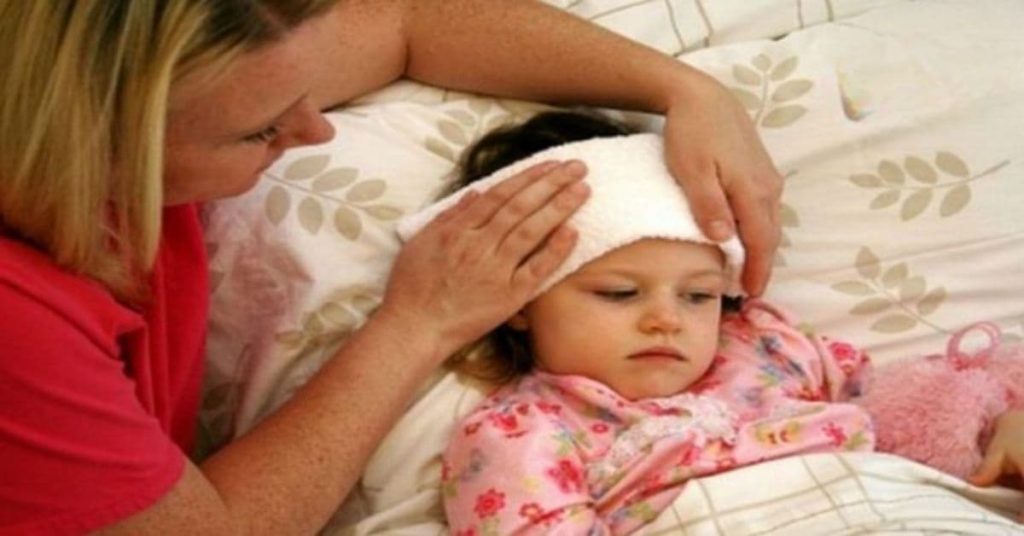
However, recent long-term research has prompted renewed debate about whether frequent or unnecessary use may carry hidden risks for developing bodies.
This conversation does not suggest panic—but it does demand attention.
Why Paracetamol Is So Widely Used
Fever in children is frightening for parents. High temperature is often interpreted as an emergency, even when it is part of the body’s natural immune response. Paracetamol is easily accessible, affordable, and generally effective at reducing fever quickly, which gives parents a sense of control.
Because it has been used for generations, many assume it is completely harmless. That assumption is now being questioned—not because paracetamol is suddenly “toxic,” but because its long-term and repeated use is being examined more closely.
What British Pediatric Researchers Are Questioning
Some British pediatric research groups and university-based studies have explored potential associations between frequent paracetamol use in early childhood and later health outcomes. These studies do not claim direct causation but raise concerns about correlations that deserve further investigation.
According to researchers involved in long-term observational studies, repeated exposure during critical stages of development may be linked to increased risks of respiratory and metabolic issues later in life.
This does not mean every child who takes paracetamol will develop health problems. It means the topic is more complex than previously believed.
Asthma and Immune System Concerns
One of the most discussed associations is between early paracetamol exposure and childhood asthma. Some researchers suggest that paracetamol may influence oxidative stress pathways in the body, potentially affecting immune development.
Asthma is a multifactorial condition influenced by genetics, environment, infections, and lifestyle. Paracetamol is not considered a sole cause—but it may be one contributing factor among many.
This possibility alone has led many pediatricians to reconsider how often fever-reducing medication is truly necessary.
Effects on the Liver, Kidneys, and Heart — Context Matters
Paracetamol is processed primarily by the liver. In excessive doses, it is well known to cause liver damage. What researchers are examining now is whether repeated therapeutic doses over long periods could place unnecessary strain on developing organs.
Some studies have explored potential links to kidney stress and cardiovascular markers, though conclusions remain cautious. Medical experts emphasize that risk depends heavily on dosage, frequency, and individual health conditions.
This is not about occasional use—it is about habits.
The Fever Debate: Treat or Observe?
A growing number of pediatricians argue that fever itself is not an enemy. Fever is a biological defense mechanism that helps the body fight infections. Lowering temperature automatically may not always be necessary—especially when the child is otherwise alert and drinking fluids.
This perspective challenges long-standing parental instincts. Doctors like Helen Simon and others have publicly stated that treating the number on the thermometer, rather than the child’s overall condition, can lead to unnecessary medication use.
In many cases, observation is safer than intervention.
Hydration Over Medication
Medical professionals increasingly emphasize supportive care over immediate medication. Ensuring adequate fluid intake helps regulate body temperature, supports circulation, and aids recovery without introducing chemical stress to the body.
Hydration, rest, and monitoring are often sufficient for mild to moderate fever. Medication may still be appropriate in specific cases—but it should not be automatic.
This approach shifts focus from quick fixes to long-term health.
Why These Findings Alarm Parents
Parents want certainty. Headlines about medications harming children trigger fear because they challenge trust built over years. Social media amplifies this fear, often removing nuance and context.
That is why responsible discussion matters. The issue is not that paracetamol is “evil.” The issue is how often, why, and when it is used.
Blind routine can be as risky as neglect.
The One List Parents Should Remember
- Paracetamol is effective but not always necessary
- Fever can be part of healing, not danger
- Overuse is the primary concern, not single doses
- Long-term effects are still being studied
- Hydration and observation are often sufficient
- Medical advice should guide repeated use
What Parents Can Do Today
Parents do not need to eliminate paracetamol entirely. They need to use it thoughtfully. Reading dosage instructions carefully, avoiding unnecessary repetition, and consulting pediatricians when fever persists are practical steps.
Most importantly, parents should focus on the child’s behavior, not just temperature readings.
Final Thoughts
Paracetamol remains one of the most widely used pediatric medications—and for good reason. It works. But growing research suggests it should not be treated as harmless candy.
Understanding potential risks empowers parents to make balanced decisions. Fear should never replace knowledge, and habit should never replace judgment.
Children’s bodies are resilient—but they are also developing. Every decision matters.
Vau.ge – Your Daily Guide for Practical Advice!
Vau.ge is a place where caring for your health, beauty, and daily routines becomes a natural, accessible, and enjoyable experience. Our main goal is to provide you with reliable information about natural remedies, homemade recipes, and practical tips that help you live a healthier life, look better, and simplify your everyday tasks without unnecessary expenses.
Our tips are easy to incorporate into your everyday life — whether it’s skincare, haircare, health-boosting remedies, or small tricks to save time. This knowledge will not only improve your own life but also allow you to share the experience with others, giving more people the chance to live a balanced life naturally and economically.
Please note: The articles on our website are for informational purposes only and do not replace professional medical advice. If you have serious health concerns, please consult a qualified specialist.