

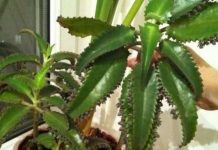
Many people experience stiffness, discomfort, or painful sensations in the back, neck, or joints as they age. These sensations are often described in everyday language as “salt buildup” in the body — a term commonly used in folk medicine to describe mineral deposits, joint stiffness, or degenerative changes that cause discomfort and reduced mobility.
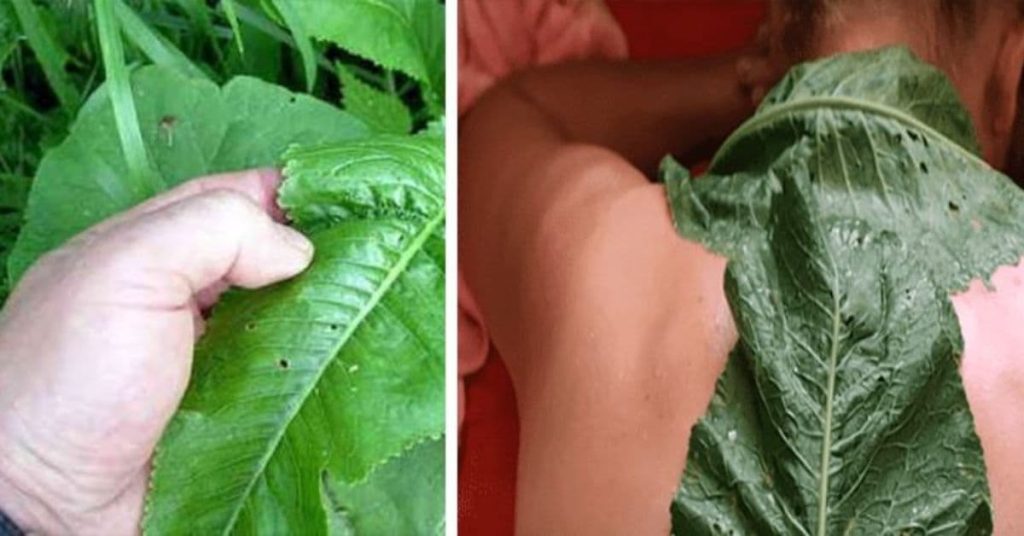
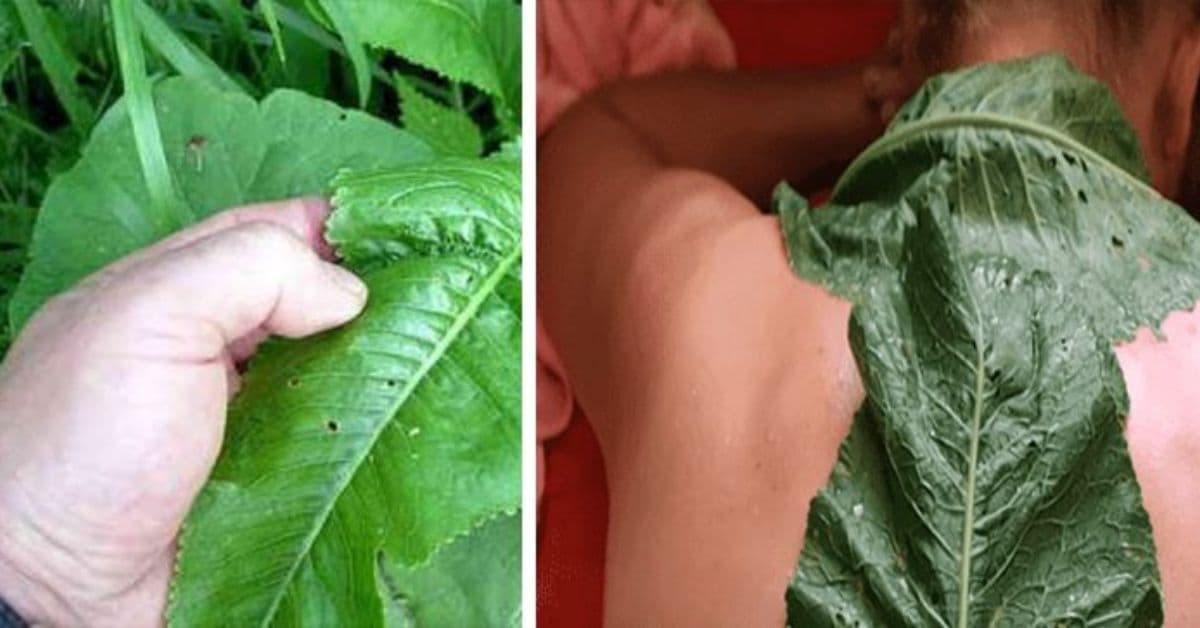
While modern medicine explains these conditions in terms of inflammation, cartilage wear, calcium deposits, or spinal degeneration, traditional practices have long focused on external plant-based applications to support comfort and circulation. One of the most well-known plants in this context is Pirshushkha, especially its leaves.
What Does “Salt Buildup” Mean in Folk Medicine?
In traditional terminology, “salt accumulation” does not refer to table salt alone. Instead, it describes hardened areas, stiffness, and painful sensations in muscles, joints, and the spine. These symptoms are commonly associated with conditions such as osteochondrosis, scoliosis, muscle inflammation, or age-related joint changes.
People experiencing such discomfort often seek non-invasive methods to support relief, especially when pain becomes recurrent.
Pirshushkha in Traditional Medicine
Pirshushkha has been used for centuries in folk medicine across Eastern Europe and the Caucasus region. Traditionally, it is valued for its warming effect, strong aroma, and biologically active compounds.
In folk practices, Pirshushkha is known as a plant that stimulates circulation, supports metabolism, and creates a warming sensation when applied externally.
Why Pirshushkha Leaves Are Used Externally
Unlike the root, which is very strong and often irritating, Pirshushkha leaves are milder and therefore preferred for external applications. When warmed and placed on the skin, the leaves are traditionally believed to help relax tissues, stimulate local blood flow, and support comfort in stiff or painful areas.
This practice is especially common for the back, neck, and joint regions.
Active Compounds Found in Pirshushkha
The sharp aroma and warming sensation of Pirshushkha come from natural essential oils, particularly allyl isothiocyanate. This compound is known for its antimicrobial and stimulating properties.
Pirshushkha also contains vitamin C, carotenoids, flavonoids, phytoncides, and various minerals. These substances contribute to its traditional use as a general tonic plant.
Traditional External Application Method Using Fresh Pirshushkha Leaves
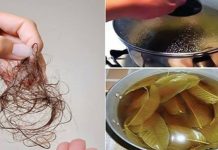
In traditional practice, fresh Pirshushkha leaves are briefly immersed in boiling water and then applied directly to the skin while still warm. This process softens the leaves and activates their aromatic compounds.
The leaves are usually placed on the back and neck before bedtime and left in place overnight. A mild warming or tingling sensation is considered normal, while burning or pain indicates that the leaves should be removed immediately.
What People Traditionally Observe After Use
According to folk belief, in cases where stiffness or discomfort is significant, residue or dryness may appear on the leaves by morning. Practitioners interpret this as a sign that the procedure is working.
The process is repeated until no visible residue appears on the leaves, which in folk tradition is seen as a sign of completion.
Safety and Sensation Awareness
Although traditional users describe this method as safe, sensitivity varies from person to person. Pirshushkha can be irritating to sensitive skin. The application should never cause pain, burns, or blistering.
People with skin conditions, allergies, or circulatory disorders should avoid this practice or consult a healthcare professional beforehand.
Alcohol-Based Pirshushkha Leaf Infusion for External Use
Another traditional method involves soaking fresh Pirshushkha leaves in alcohol to create an external infusion. This preparation is used as a compress or topical application for painful areas.
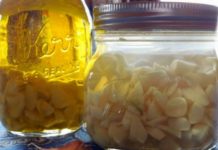
The leaves are placed in a glass container, covered with vodka or diluted alcohol, and stored in a dark place for two days. Afterward, the soaked leaves are applied to the affected area.
This method is traditionally used for back pain, joint stiffness, and muscle discomfort.
Use for Joint and Spine Discomfort
People experiencing pain related to osteochondrosis, spinal curvature, muscle inflammation, or joint stiffness often turn to such traditional external applications for support.
These methods are considered complementary practices and are not substitutes for medical treatment, diagnosis, or rehabilitation programs.
Onion Leaves in Folk Practice
In addition to Pirshushkha, onion leaves are also traditionally used in external applications. Folk practitioners believe that onion leaves help draw out tension and support circulation in painful areas.
They are often applied to the back or joints during periods of discomfort.
The Role of Heat and Circulation
Many traditional remedies rely on heat and stimulation to promote comfort. Warm applications increase blood flow to the area, which may temporarily reduce stiffness and improve mobility.
This principle explains why warm compresses, heated leaves, and herbal wraps are so common in folk medicine.
When to Avoid Traditional External Methods
These practices should not be used on broken skin, inflamed wounds, or areas with active infection. They are also not suitable for people with severe vascular conditions or nerve damage.
Persistent or worsening pain always requires medical evaluation.
A Balanced View on Traditional Remedies
Traditional methods reflect generations of observational knowledge. However, they should always be approached responsibly and combined with modern medical understanding.
External plant-based applications may support comfort, but they do not treat the underlying cause of serious musculoskeletal conditions.
Final Thoughts on Pirshushkha Leaf Applications
Pirshushkha leaves have a long history in traditional wellness practices. Their warming effect and aromatic compounds make them popular for external use in cases of stiffness and discomfort.
Used responsibly and cautiously, they may support relaxation and comfort as part of a broader self-care routine.
Vau.ge – Your Daily Guide for Practical Advice!
Vau.ge is a place where caring for your health, beauty, and daily routines becomes a natural, accessible, and enjoyable experience. Our main goal is to provide you with reliable information about natural remedies, homemade recipes, and practical tips that help you live a healthier life, look better, and simplify your everyday tasks without unnecessary expenses.
Our tips are easy to incorporate into your everyday life — whether it’s skincare, haircare, health-boosting remedies, or small tricks to save time. This knowledge will not only improve your own life but also allow you to share the experience with others, giving more people the chance to live a balanced life naturally and economically.
Please note: The articles on our website are for informational purposes only and do not replace professional medical advice. If you have serious health concerns, please consult a qualified specialist.