














Tilapia is one of the most widely consumed fish in the world. It is affordable, easy to cook, and commonly found in supermarkets and restaurants. Because of its mild taste and low price, many people include tilapia in their weekly diet without giving it much thought.
However, in recent years, concerns have been raised about how tilapia is farmed, what it may contain, and how its production methods can affect long-term health. While tilapia itself is not inherently dangerous, understanding the differences between wild-caught fish and intensively farmed fish is essential for making informed dietary choices.
This article explains what tilapia is, how it is produced, what substances may accumulate in the body, and why moderation and sourcing matter.
What Is Tilapia?
Tilapia is a freshwater fish originally native to parts of Africa and the Middle East. Today, it is farmed on a massive scale across Asia, Latin America, the United States, Russia, and several European countries.
China is currently one of the largest producers and exporters of tilapia, often shipping it internationally in the form of frozen fillets.
Why Tilapia Became So Popular
The global popularity of tilapia is not accidental. It grows quickly, adapts easily to farming environments, and requires relatively low production costs. For consumers, this translates into a cheap, widely available protein source.
Its mild flavor also makes it appealing to people who do not enjoy the strong taste of oily fish.
Farmed Fish vs. Wild-Caught Fish
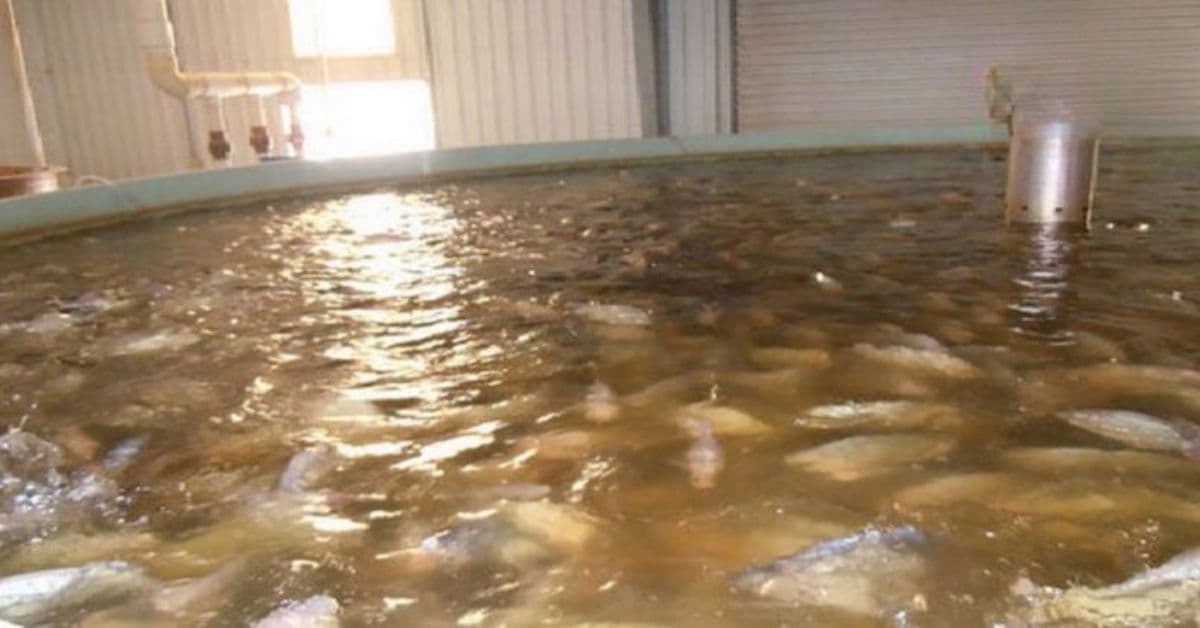
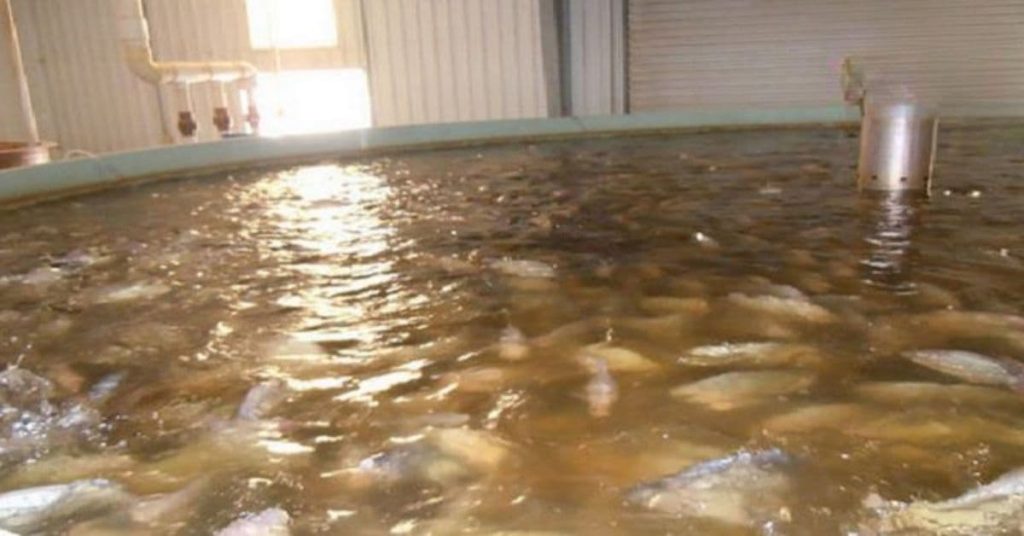
One of the biggest differences in nutritional value and safety lies in how the fish is raised. Wild-caught fish feed naturally and grow at a normal pace. Farmed fish, on the other hand, are raised in controlled environments designed to maximize growth and profit.
In some regions, farmed fish may be exposed to growth-enhancing practices, antibiotics, or low-quality feed. These practices vary widely depending on country, regulation, and farm standards.
Concerns About Industrial Fish Farming
Critics of industrial aquaculture point out that overcrowded farming conditions can increase the risk of contamination. In poorly regulated environments, fish may be exposed to pollutants, residues, or substances that accumulate over time in their tissues.
While not all tilapia farms operate this way, quality control is inconsistent globally, which is why sourcing matters.
What Are Dioxins and Why Are They Mentioned?
Dioxins are environmental pollutants that can enter the food chain through contaminated water, soil, or animal feed. They are known to accumulate in fatty tissues and leave the body very slowly.
Scientific research shows that dioxins can remain in the human body for several years, depending on exposure levels. Long-term accumulation has been linked to hormonal disruption, immune system effects, and other health concerns.
It is important to clarify that not all tilapia contains high levels of dioxins, but poorly regulated farming environments increase the risk.
Nutritional Profile of Tilapia
Compared to fatty fish like salmon or sardines, tilapia contains lower levels of omega-3 fatty acids, which are beneficial for heart and brain health. While it does provide protein, its nutritional value is often considered inferior to wild-caught fish.
This does not make tilapia “toxic,” but it does mean that it offers fewer health benefits than many alternatives.
Why Long-Term Consumption Raises Questions
When a food is consumed regularly over many years, even small amounts of contaminants can matter. This is why some health experts recommend rotating protein sources rather than relying heavily on one type of farmed fish.
Long-term exposure to certain pollutants, even at low levels, may contribute to gradual accumulation in the body.
Why Regulation and Origin Matter
Tilapia produced under strict food safety standards is very different from fish raised in poorly controlled conditions. Countries with strong regulations monitor water quality, feed composition, and residue levels.
Consumers often do not know the origin of frozen fillets, which makes transparency an important issue.
Better Fish Choices According to Experts
Many nutritionists recommend choosing wild-caught fish when possible, especially varieties rich in omega-3 fatty acids. Examples include wild salmon, sardines, mackerel, and anchovies.
These fish tend to have higher nutritional value and lower risk of contamination when sourced responsibly.
Should Tilapia Be Completely Avoided?
Tilapia does not need to be eliminated entirely from the diet, but moderation and source awareness are key. Occasional consumption from reputable suppliers is unlikely to cause harm for most people.
Problems arise when tilapia becomes a primary protein source over long periods without attention to quality.
How to Make Safer Choices as a Consumer
Reading labels, checking the country of origin, and choosing certified suppliers can significantly reduce risk. Asking whether fish is wild-caught or farmed also helps.
Diversifying protein intake is one of the simplest and most effective strategies for long-term health.
Final Thoughts on Tilapia Consumption
Tilapia itself is not the enemy. The real issue lies in industrial farming practices, environmental contamination, and lack of transparency.
Being informed allows consumers to enjoy fish safely while minimizing potential risks. Awareness, moderation, and variety remain the foundation of a healthy diet.
Vau.ge – Your Daily Guide for Practical Advice!
Vau.ge is a place where caring for your health, beauty, and daily routines becomes a natural, accessible, and enjoyable experience. Our main goal is to provide you with reliable information about natural remedies, homemade recipes, and practical tips that help you live a healthier life, look better, and simplify your everyday tasks without unnecessary expenses.
Our tips are easy to incorporate into your everyday life — whether it’s skincare, haircare, health-boosting remedies, or small tricks to save time. This knowledge will not only improve your own life but also allow you to share the experience with others, giving more people the chance to live a balanced life naturally and economically.
Please note: The articles on our website are for informational purposes only and do not replace professional medical advice. If you have serious health concerns, please consult a qualified specialist.